
Oct. 1 Law Changes in D.C. Region: Grocery Pricing, Vehicle Registration, and Leave Benefits
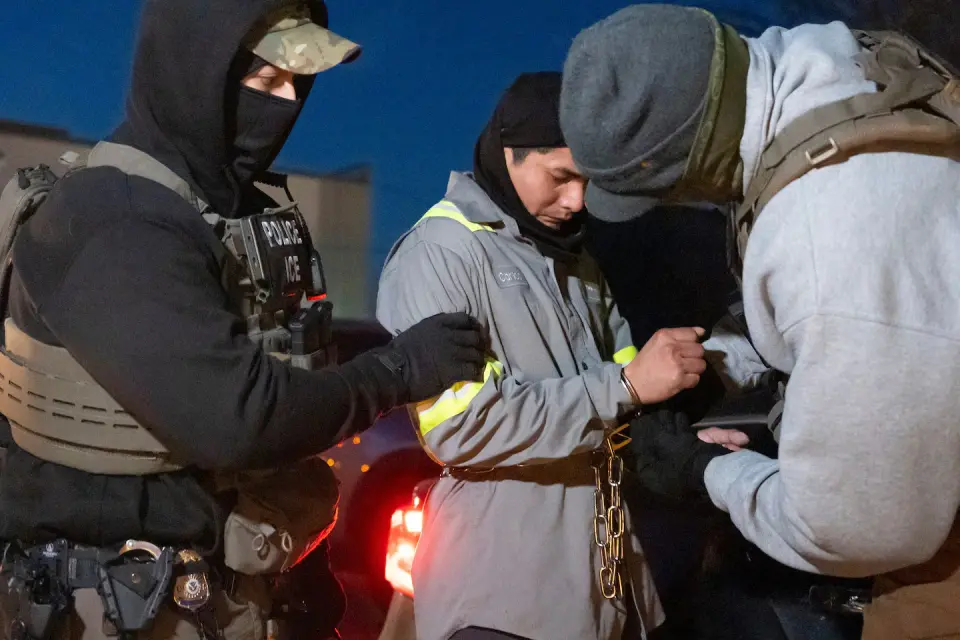
Starting Oct. 1, 2026, new laws in the D.C. region ban dynamic grocery pricing in Maryland, enforce stricter vehicle registration rules, and reduce paid family leave in Washington, D.C. Virginia expands automatic sealing of misdemeanor records, while Maryland increases penalties for out-of-state license plates.
Key points
- Maryland bans dynamic pricing in grocery stores, requiring fixed prices for at least one business day.
- Virginia expands 'clean slate' laws, automatically sealing records for certain misdemeanors like shoplifting and trespassing.
- Washington, D.C. reduces paid family leave from 12 to six weeks and medical leave from 12 to 10 weeks.
- Maryland enforces stricter vehicle registration rules, imposing fines of $7 per day for out-of-state plates after 60 days.
- Maryland bans law enforcement officers from wearing masks and restricts the use of rap lyrics as evidence in court.
Background
These changes follow earlier regional shifts, including a 2026 ICE operation in the D.C. area that arrested over 1,300 individuals, highlighting ongoing tensions between federal and state enforcement policies. The new laws build on previous legislative efforts to address consumer protection, criminal justice reform, and healthcare eligibility.
How outlets are covering it
The Washington Post emphasizes the broad impact of new laws across the D.C. region, focusing on consumer protections and criminal justice reforms. NBC4 Washington highlights the practical implications for residents, such as grocery pricing and family leave reductions, while also noting the federal-state conflict over law enforcement mask bans. WBAL-TV and WBFF focus heavily on Maryland's vehicle registration enforcement, detailing fines and penalties for out-of-state plates, with WBAL-TV noting 79,000 warning letters sent to drivers. All sources agree on the core changes but differ in emphasis: The Post and NBC4 provide a broader overview, while WBAL-TV and WBFF drill into the vehicle registration issue, reflecting local concerns about compliance and financial impact.
Why it matters
These laws directly affect daily life for residents in the D.C. region, from grocery costs and vehicle registration to family leave and criminal records. The changes reflect broader debates over consumer protection, criminal justice reform, and federal-state relations, with potential economic and social implications for individuals and businesses alike.
What to watch
Residents should review their vehicle registration status and adjust to new grocery pricing practices. Employers and employees in Washington, D.C. should prepare for reduced family and medical leave benefits. Virginia residents with misdemeanor records may benefit from automatic sealing, while Maryland drivers with out-of-state plates should ensure compliance to avoid fines. Federal-state conflicts over law enforcement mask bans may lead to further legal challenges.
- What to know as new laws take effect Oct. 1 in D.C., Maryland and Virginia The Washington Post
- These new laws go into effect Oct. 1 in DC, Maryland and Virginia NBC4 Washington
- Maryland warns drivers to register cars ahead of Oct. 1 deadline WBAL-TV
- New laws: No Kings, no trying youths as adults, no 'dynamic pricing' - and a prehistoric shark Maryland Matters
- Maryland enforces new penalties for out-of-state plates WBFF
Want the full story? Read the original reporting
Read on The Washington Post