
25 Years Later: How 9/11 Reshaped Careers and National Unity
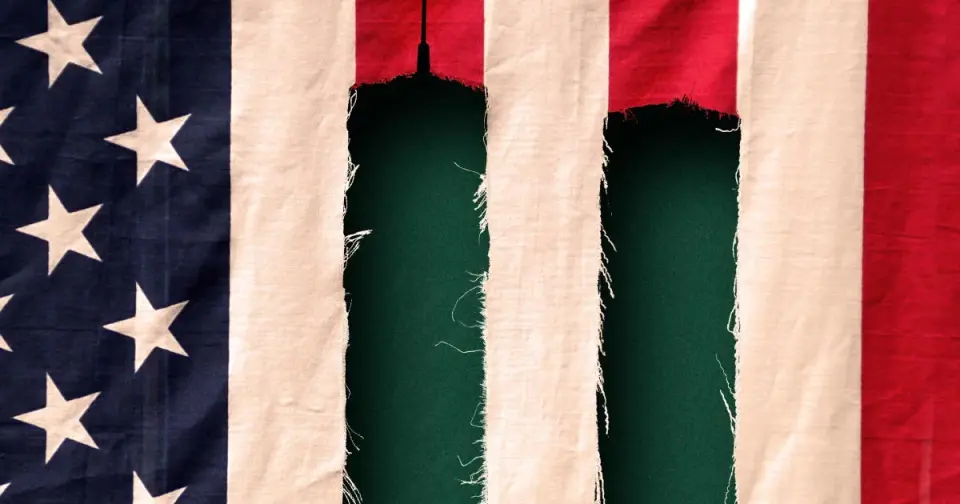
Twenty-five years after the September 11 attacks, five prominent media figures reflect on how the event permanently altered their professional trajectories and personal coping mechanisms. While the attacks initially fostered a rare sense of national unity, current political divisions contrast sharply with that post-attack cohesion. The stories highlight the immediate chaos faced by journalists and the long-term psychological impacts on those who covered the tragedy.
Key points
- Five media figures, including Bret Baier, Byron Pitts, Chris Jansing, NJ Burkett, and Carson Daly, detailed how 9/11 redirected their careers, often leading to embedded war reporting or permanent network roles.
- The attacks caused nearly 3,000 deaths in New York, the Pentagon, and Shanksville, Pennsylvania, creating a moment of national unity that has since eroded amid current political polarization.
- Journalists described immediate survival experiences, such as NJ Burkett’s near-death encounter during the south tower’s collapse and Byron Pitts’s initial disbelief regarding the scale of the disaster.
- Carson Daly noted the cultural shift in entertainment, as MTV’s 'Total Request Live' paused for three days before returning with a somber, motionless audience, marking a change in public engagement.
- The Atlantic highlights that while New York has revitalized, the national unity seen after 9/11 has not been replicated by subsequent crises like the pandemic or recent Middle East conflicts.
Background
This anniversary marks a quarter-century since the terrorist attacks that killed nearly 3,000 people. While previous coverage has focused on individual victims or specific institutional responses, this synthesis focuses on the media ecosystem's transformation. The archive notes unrelated philanthropic efforts, but the current focus is strictly on the media and societal impact of 9/11.
How outlets are covering it
The Los Angeles Times emphasizes the personal and professional trajectories of individual journalists, illustrating how the event forced career pivots, such as Bret Baier moving to the Pentagon beat and NJ Burkett seeking dangerous assignments to cope with trauma. In contrast, The Atlantic focuses on the macro-level societal impact, arguing that the post-9/11 unity was a unique anomaly that has since fractured. While the LA Times highlights the resilience of the media industry, The Atlantic critiques the failure of subsequent national crises to replicate that cohesion, noting that current political violence and division stand in stark contrast to the solidarity seen in 2001.
Why it matters
Understanding the long-term impact of 9/11 on media and national identity is crucial for analyzing current political polarization. The divergence between the unity of 2001 and the division of 2026 highlights how media narratives and public sentiment have shifted, offering insights into the durability of national consensus in the face of crisis.
What to watch
As the 25th anniversary approaches, public discourse will likely focus on the contrast between past unity and current division. Media outlets may continue to feature retrospective interviews with journalists and survivors, while political leaders may reference the event to frame current policy debates, particularly regarding security and foreign policy.
- 25 years on, they haven’t forgotten. How 9/11 changed these TV journalists’ lives Los Angeles Times
- Did 9/11 Really Change Everything? The New York Times
- 25 Years After 9/11, Gaps in America's Preparedness Remain Forbes
- We Are Still Living in the Broken World Sept. 11 Created Bloomberg.com
- New York, 25 Years Later The Atlantic
Want the full story? Read the original reporting
Read on Los Angeles Times