
NYC's $70M grocery plan: 30% discounts, no ID, and no alcohol
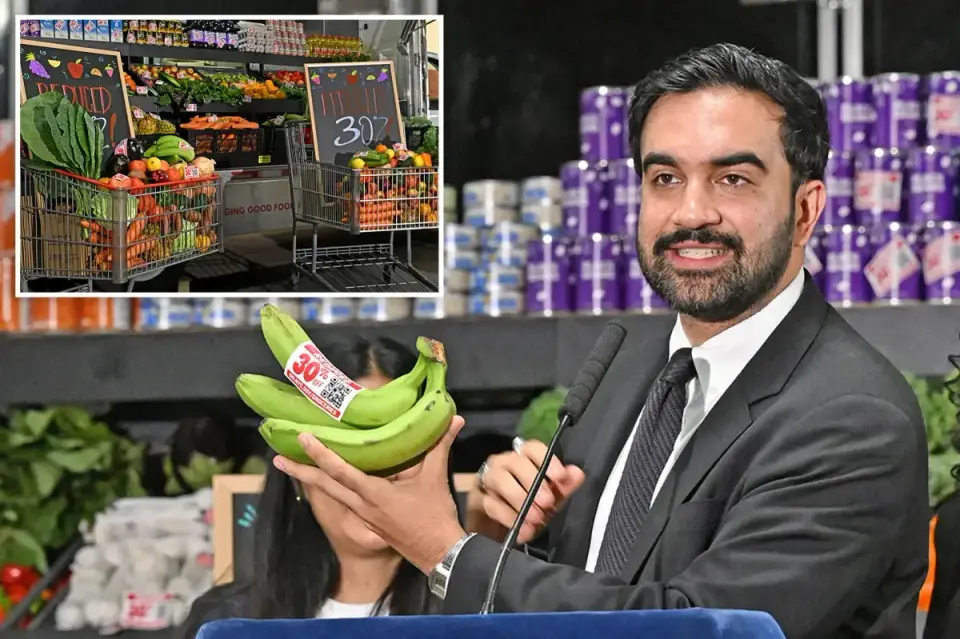
New York City will open five city-owned grocery stores offering a core basket of staples at 30% below retail, with no ID required and bans on alcohol and tobacco. The $70 million initiative relies on private operators and subsidies, sparking debate over its economic viability and potential impact on private retailers.
Key points
- Five municipal supermarkets will launch between 2027 and 2029, with the first in the Bronx and a second in East Harlem.
- A 'core basket' of about 20 items, including meat, milk, and eggs, will be priced 30% lower than market rates.
- Stores will not sell alcohol, cigarettes, or lottery tickets, and will not require ID for entry.
- The city will cover capital costs and provide 'affordability payments' to operators to offset losses from discounted sales.
- A voluntary customer card system is being developed to manage supply and prevent bulk reselling, but it is not an ID requirement.
Background
Mayor Zohran Mamdani introduced the grocery store initiative during his 2025 mayoral campaign, framing it as a solution to rising food costs and 'food deserts' in New York City. The plan has been a central part of his 'affordability' agenda, which also includes free bus service and rent freezes. The proposal has drawn attention from other cities, including San Francisco and Boston, which are exploring similar public grocery models.
How outlets are covering it
Supporters, including Mamdani and progressive advocates, view the stores as a necessary public intervention to ensure access to affordable, healthy food, particularly in low-income neighborhoods. They argue that the 30% discount will save families approximately $1,000 annually. Critics, including Vox and Fortune, argue the plan is economically inefficient, as it would require significant taxpayer subsidies to offset the low margins of the grocery industry. They contend that the same funds could be better used for direct food assistance or deregulating zoning to attract large private retailers. Fortune also warns that the subsidies could force nearby private stores to close, potentially expanding food deserts. AP News clarified that the stores will not require ID, refuting claims that the program is a form of voter ID or residency verification.
Why it matters
The initiative represents a significant departure from traditional municipal policy, with the city directly competing with private retailers. Its success or failure will influence how other cities approach food affordability and could set a precedent for public-private partnerships in essential services. The debate also highlights broader tensions between market-based solutions and public intervention in addressing cost-of-living crises.
What to watch
The city will select a private operator through a competitive bidding process outlined in a 44-page request for proposals. The first store is expected to open in the Hunts Point neighborhood of the Bronx in 2027, with the second in East Harlem by 2029. The city will also develop a unified brand for the stores, potentially featuring a logo similar to the Health Department's 'NYC Condoms' campaign.
- Mamdani’s NYC-owned grocery stores won’t sell alcohol, cigarettes — and must focus on ‘healthy eating’: docs New York Post
- The hidden cost of Mamdani’s plan for cheap groceries vox.com
- Mamdani’s Office Denies There Will Be ID Requirement For City-Owned Grocery Stores— After MAGA Erupts Forbes
- Basic economics show why Mamdani’s socialist grocery stores in NYC are destined to fail Fortune
- FACT FOCUS: No, you won't need an ID to shop at city-owned grocery stores in New York City AP News
Want the full story? Read the original reporting
Read on New York Post