
NYC to Test Heat-Capture Tech in Subway Stations to Cool Platforms and Warm City Buildings
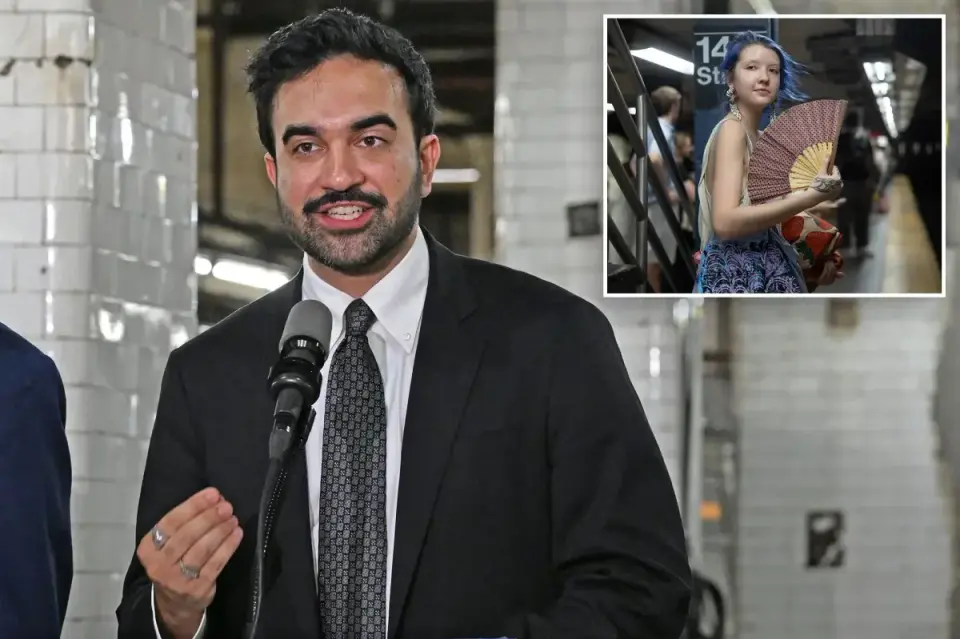
New York City and the MTA are launching an $800,000 feasibility study to test a Thermal Energy Network (TEN) at the Brooklyn Bridge-City Hall and Chambers Street subway stations. The system aims to capture excess heat from sweltering summer platforms, store it in geothermal boreholes, and redirect it to warm nearby municipal buildings in winter. If successful, design work could begin in 2027, potentially offering a dual solution for rider comfort and energy efficiency.
Key points
- The study will focus on the Brooklyn Bridge-City Hall and Chambers Street stations, which reached an average temperature of 96°F last summer.
- The TEN technology involves drilling 500-600 foot geothermal boreholes beneath the abandoned Chambers Street platform to store heat.
- Captured heat would be transferred via pipes and pumps to warm City Hall, the David Dinkins Municipal Building, Tweed Courthouse, and Surrogate’s Court in winter.
- The project is a joint effort between the MTA, the city’s Department of Citywide Administrative Services, and the Mayor’s Office of Climate and Environmental Justice.
- If the feasibility study succeeds, design work is expected to begin in early 2027, with the potential for citywide replication.
Background
This initiative follows previous MTA explorations of similar geothermal cooling technologies for the 168th Street and 181st Street stations in Washington Heights. The current proposal builds on existing TEN infrastructure already used in hospitals and universities across the city. It also coincides with a separate state-funded project to modernize the 113-year-old Chambers Street station, which includes replacing damaged tiles and improving lighting.
How outlets are covering it
While all outlets agree on the core plan, they emphasize different aspects. The New York Post highlights Mayor Mamdani’s personal involvement and the immediate comfort benefits for riders, noting his visible discomfort during the announcement. amNewYork focuses on the logistical details, such as the $800,000 cost and the involvement of the City Comptroller, who suggested the model could be replicated citywide. Gothamist emphasizes the broader climate context, noting that some stations are up to 20 degrees hotter than the outside temperature and referencing previous MTA studies for other stations. The New York Post also notes that Governor Hochul did not attend the press conference, despite issuing a statement supporting the project.
Why it matters
This project represents a novel approach to urban heat management, potentially reducing the strain on the power grid during summer heatwaves while lowering heating costs for municipal buildings in winter. If successful, it could serve as a model for other cities facing similar climate challenges and improve the daily experience for millions of subway riders.
What to watch
The city must award the contract for the feasibility study by fall 2026. If the study confirms the technology’s viability, design work will begin in early 2027. The MTA is also seeking a contractor for the broader Chambers Street station overhaul, which is funded by congestion pricing tolls.
- Sweaty Mamdani unveils plan to ‘harness’ hot air from sweltering NYC subway platforms and warm city buildings New York Post
- The Subway Is Sweltering. Is There a Way to Put That Heat to Good Use? The New York Times
- NYC eyes first U.S. transit thermal energy network to fight subway heat ABC7 New York
- Sweat equity: MTA, Mamdani admin to study heat removal technology in Lower Manhattan subway complex amNewYork
- MTA plans to beat the heat at sweltering subway stations with heat capture technology Gothamist
Want the full story? Read the original reporting
Read on New York Post