
Army Detonates 5 Tons of Lead Azide in Iowa Amid Health Concerns
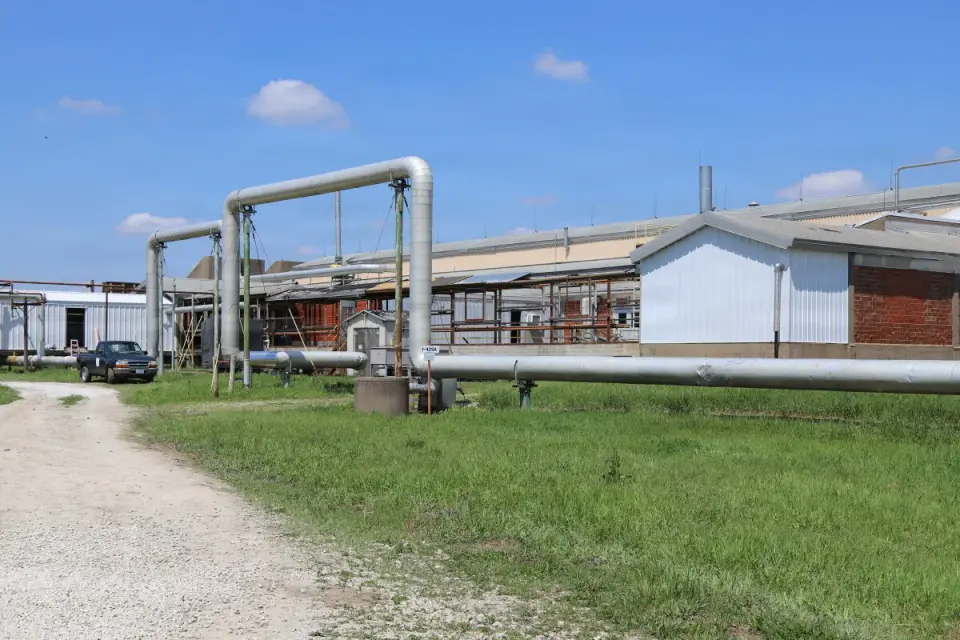
The U.S. Army successfully detonated the nation’s entire stockpile of degraded lead azide at the Iowa Army Ammunition Plant in Middletown on Wednesday morning. The controlled blast of roughly 5 tons (4.54 metric tonnes) of unstable chemical was conducted to prevent a spontaneous explosion as temperatures dropped. While initial air monitoring showed no lead, concerns remain regarding long-term environmental contamination and health risks for nearby residents and farmers.
Key points
- The U.S. Army detonated approximately 5 tons of lead azide at 9 a.m. local time on Wednesday, November 25, 2026, at the Iowa Army Ammunition Plant in Middletown.
- The stockpile, consisting of 68 barrels of lead azide collected from bases nationwide in 2009, had partially crystallized, creating a high risk of spontaneous detonation due to sensitivity to friction and cold temperatures.
- The Environmental Protection Agency (EPA) collected over 1,200 samples of air, land, and water before the blast and deployed more than 300 personnel for monitoring; initial air monitors reported no lead in the first 15 minutes after the detonation.
- The Army implemented mitigation measures including two-story sand barriers, ballistic gels, foams, and a water wall of over 100,000 gallons to contain the plume, which was expected to drift southwest toward Missouri.
- Residents within 5 miles were advised to evacuate, while those within 20 miles were told to shelter in place; schools and businesses closed, and Governor Kim Reynolds declared a disaster emergency for Des Moines, Lee, and Van Buren counties.
Background
The decision to detonate the stockpile followed a legal battle in which environmental groups sued the EPA over the emergency permit. A federal appeals court reinstated the permit on Monday, November 23, after a lower court had temporarily halted the plan on November 21. The detonation date was postponed three times from its original schedule to allow for favorable wind conditions and additional safety measures.
How outlets are covering it
AP News and KCRG reported that the blast was visually modest, with some residents describing it as 'nothing' compared to expectations, and EPA monitors showed no lead in the air immediately after. Conversely, CNN and KWQC highlighted ongoing concerns from environmental groups, such as the Iowa Environmental Council, which argued the legal fight continues over the adequacy of cleanup and long-term exposure protections. Farmers in the area, like Doug Seyb, expressed worry about potential lead contamination affecting cattle and crops, while the Army maintained that the controlled detonation was the safest option to prevent an uncontrolled explosion.
Why it matters
The detonation addresses an immediate safety risk from unstable military stockpiles but raises significant questions about environmental justice and long-term health impacts. Lead is a toxic heavy metal with no safe exposure level, posing severe risks to children and pregnant women. The incident highlights the tension between military safety protocols and community health concerns, particularly regarding potential contamination of soil, water, and agricultural land in southeastern Iowa.
What to watch
The Army and EPA will continue monitoring air, soil, and water for lead levels. Residents are advised to wet-clean outdoor surfaces and wash vehicles to minimize exposure to deposited lead dust. Evacuated residents will be notified by phone when it is safe to return. The Army is reviewing its storage facilities to prevent similar degradation issues in the future, and environmental groups may pursue further legal action regarding cleanup standards.
- Live updates: US Army detonates national stockpile of lead azide in Iowa AP News
- U.S. Army detonates lead azide, blast caught on camera KWQC
- What is lead azide? What to know about the chemical detonated at an Iowa Army base PBS
- Live updates: Army detonates tons of lead azide in Iowa CNN
- LIVE: Army to detonate lead azide at Iowa ammunition plant KCRG
Want the full story? Read the original reporting
Read on AP News