
Iran vows to counter US Hormuz blockade as Trump threatens to sink tankers
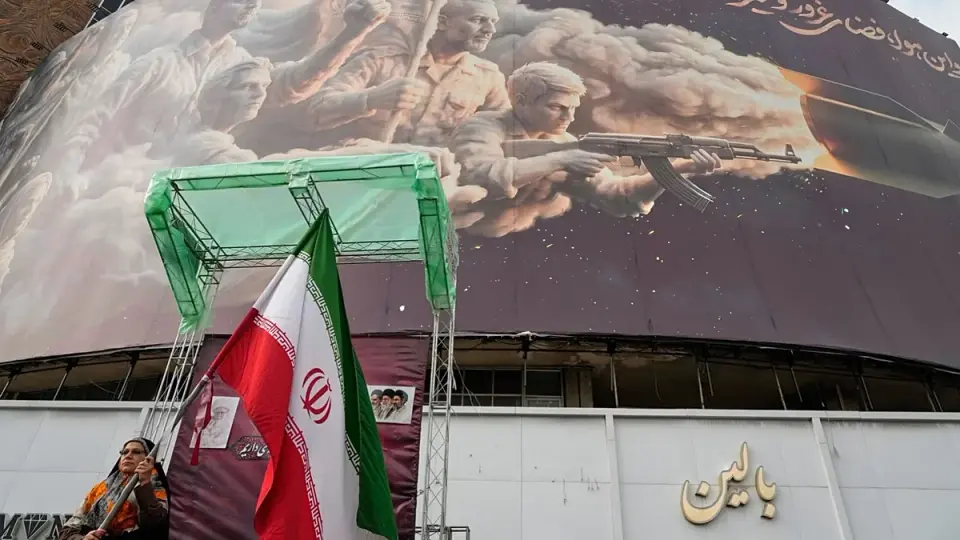
Iran’s foreign ministry declared on Monday that Tehran would use 'every means' to counter the US naval blockade of the Strait of Hormuz, labeling the action a violation of the UN Charter. This follows President Donald Trump’s Sunday warning that Iranian tankers attempting to breach the blockade would be sunk. While Iranian officials deny concrete plans for a tanker convoy, military commanders have signaled readiness for escalation. Diplomatic efforts continue via Qatari mediation, but remain stalled amid conflicting demands regarding sanctions and security commitments.
Key points
- Iran’s foreign ministry spokesman Esmaeil Baghaei condemned the US blockade as 'military aggression' and asserted Tehran’s right to self-defense under Article 51 of the UN Charter.
- President Trump warned on Sunday that Iranian ships attempting to break the blockade would be sent to the 'bottom of the sea,' echoing threats to destroy the Iranian navy.
- IRGC-affiliated media reported that no official authority has announced a plan for a tanker convoy, though they confirmed plans to break the blockade are being drawn up by security decision-makers.
- Iranian officials stated that the Strait of Hormuz could reopen within two hours if Washington lifts sanctions, ends the blockade, and fulfills commitments from the Islamabad memorandum of understanding.
- The UK Maritime Trade Operations confirmed at least one incident involving an oil tanker in the Gulf of Oman, though details regarding the forces involved remain unclear.
Background
The current standoff follows a nine-month conflict that began in February 2026 with US and Israeli airstrikes that killed former Supreme Leader Ali Khamenei. The US imposed a naval blockade in April, lifted it in June after a draft agreement, and reimposed it in July after negotiations collapsed. Recent archive coverage indicates the US has deployed three aircraft carriers to the region and that Trump has threatened further strikes if a permanent nuclear deal is not reached by January 1.
How outlets are covering it
Euronews and Al Jazeera emphasize Iran’s official diplomatic stance, highlighting Baghaei’s condemnation of the blockade and the conditions for reopening Hormuz. CBS News provides broader context on the conflict’s expansion, noting Iran’s demand for $290 billion in damages and Trump’s acknowledgment of increased Iranian drone and missile activity. Bloomberg highlights the uncertainty surrounding shipping data, noting that a tanker purportedly breaching the blockade may have been a tracking error or obfuscation tactic. While Euronews focuses on the immediate threat of military escalation, CBS and Al Jazeera note that diplomatic channels remain active, with Qatar mediating talks despite Trump’s dismissal of the Islamabad memorandum as 'nonsense.'
Why it matters
The Strait of Hormuz is a critical chokepoint for global energy supplies, with over 80% of Iran’s imports and exports passing through it. A successful breach of the blockade or further military escalation could trigger a regional war involving US assets and Iranian-backed groups. The standoff also impacts global oil prices and economic stability, as noted by Trump’s link between the conflict and recent midterm election results.
What to watch
Qatar’s prime minister is expected to meet US Secretary of State Marco Rubio on Monday to continue mediation efforts. Iran’s IRGC Air Force commander Majid Mousavi has indicated that a response to any potential US attack is being prepared. The situation may escalate if Iranian tankers attempt to breach the blockade, as warned by Trump, or if diplomatic talks fail to yield a permanent agreement before January 1.
- Iran vows 'every means' to counter US blockade after Trump threat Euronews.com
- Live Updates: Iran says it will use all means to end U.S. blockade as Trump plays down escalating attacks CBS News
- Iran says it will use ‘all available means’ to counter US blockade Al Jazeera
- Fake Iran Tanker Highlights Uncertainty Around Hormuz Traffic Bloomberg.com
- US tightens Iran blockade with curbs on oil transfers at sea, advisory shows Reuters
Want the full story? Read the original reporting
Read on Euronews.com