
USS Abraham Lincoln Ends Record 322-Day Iran Deployment in San Diego Amid Welfare Disputes
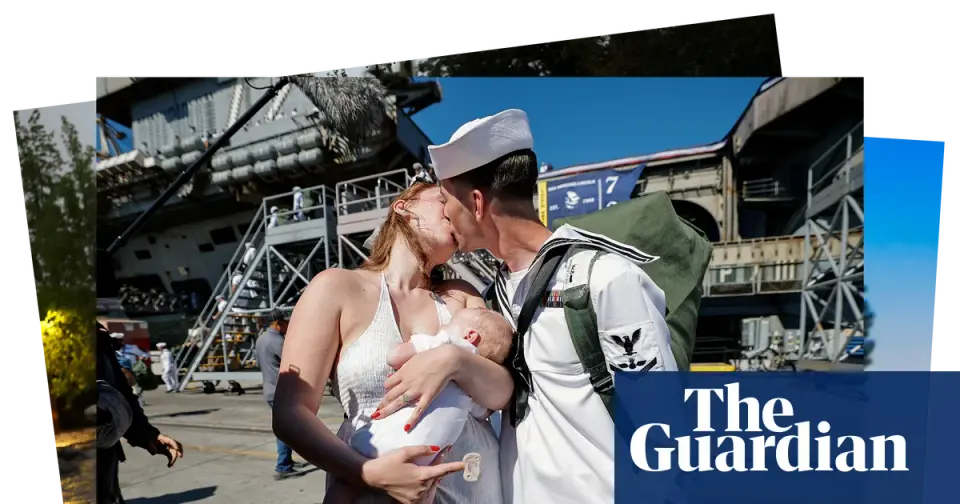
The USS Abraham Lincoln returned to its home port in San Diego on October 8, 2026, concluding a 322-day deployment that included combat operations against Iran. The mission, the second-longest for a U.S. aircraft carrier since the Vietnam War, saw the ship spend 265 consecutive days at sea without a port call. While Defense Secretary Pete Hegseth awarded the crew the Presidential Unit Citation, the return is marked by ongoing scrutiny over severe mental health crises, supply shortages, and at least eight suicide attempts reported during the extended mission.
Key points
- The USS Abraham Lincoln arrived at Naval Air Station North Island in Coronado, San Diego, on October 8, 2026, after 322 days at sea.
- The deployment included the U.S. war with Iran, during which the carrier and its air wing dropped more than 1,145 weapons.
- The ship spent 265 consecutive days at sea without a port call, setting a Navy record and surpassing 300 consecutive days overseas overall.
- Defense Secretary Pete Hegseth visited the carrier on October 7 to award the crew the Presidential Unit Citation, the highest honor for a unit in combat.
- The mission drew national attention due to reports of supply shortages, low morale, and at least eight suicide attempts among the 5,000 crew members.
- Families of 64 parents waited to meet their babies for the first time, as some crew members had been deployed before their children were born.
Background
The return of the USS Abraham Lincoln follows a period of intense public and political debate regarding the conditions aboard the ship during its extended deployment. Earlier coverage highlighted concerns over mental health crises and supply shortages, with Democrats demanding an investigation into the harsh conditions endured by the crew. The deployment length surpassed that of the USS Gerald R. Ford, which set the record for the longest aircraft carrier deployment at 326 days earlier in 2026.
How outlets are covering it
NBC News emphasized the emotional homecoming and the record-breaking nature of the deployment, noting that some crew members were as young as 18 and that 64 parents were meeting their babies for the first time. The outlet highlighted the crew's morale and the significance of the Presidential Unit Citation. The San Diego Union-Tribune focused on the logistical and historical aspects of the deployment, detailing the 322-day duration and the 265 consecutive days at sea without a port call. The Guardian’s photo essay captured the emotional reunions and the broader context of global events, including mudslides in Chile and protests in New York, but did not provide detailed reporting on the welfare issues. All sources agree on the deployment length and the award, but differ in emphasis: NBC News and the Union-Tribune highlight the record and homecoming, while earlier archive articles and implied criticism focus on the welfare disputes and mental health crises.
Why it matters
The return of the USS Abraham Lincoln underscores the human cost and logistical challenges of extended military deployments, particularly in the context of the U.S.-Iran conflict. The record-breaking length of the mission and the reported welfare issues raise questions about the sustainability of such deployments and the impact on service members' mental health. The Presidential Unit Citation acknowledges the crew's achievements, but the ongoing scrutiny over supply shortages and suicide attempts highlights the need for improved support and oversight in long-duration missions.
What to watch
The USS Abraham Lincoln will undergo maintenance and crew rotations following its return. The reported welfare issues may lead to further investigations or policy changes within the U.S. Navy to address mental health and supply chain challenges in future deployments. The crew's experiences may also influence public and political discourse on the conditions of military service in prolonged conflicts.
- Return of USS Abraham Lincoln and mudslides in Chile: photos of the day – Friday The Guardian
- Marines reunited with families after nearly 11-month deployment aboard USS Abraham Lincoln cbs8.com
- USS Lincoln docks in San Diego Bay following scrutinized 322-day deployment NBC News
- Just happy to be home': Sacramento-area sailor returns after USS Abraham Lincoln long deployment ABC10
- Photos: USS Abraham Lincoln returns to San Diego San Diego Union-Tribune
Want the full story? Read the original reporting
Read on The Guardian