
NSA Director Rudd Unveils Decade’s Largest Overhaul to Prioritize AI and Cyber Threats
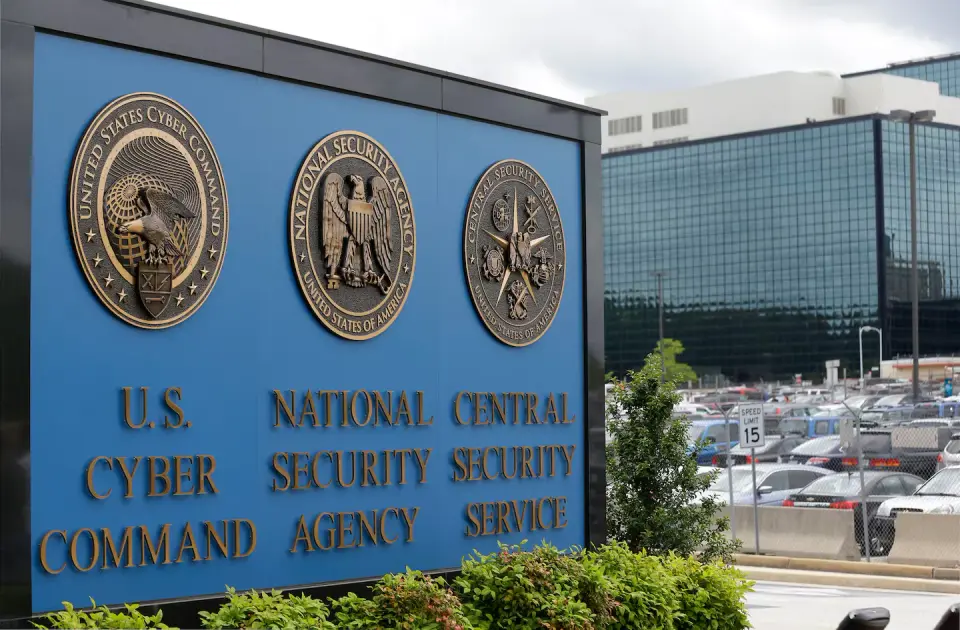
The National Security Agency is undergoing its most significant internal restructuring in over a decade, a move driven by Director Army Gen. Joshua M. Rudd. Announced to senior leadership in early September 2026, the plan aims to fully operationalize by January 2027. The reorganization creates five new mission-focused organizations to address emerging threats, specifically artificial intelligence, China-related espionage, cybersecurity, combat support, and global intelligence. This shift reflects a strategic pivot to modernize the agency’s capabilities in response to evolving technological and geopolitical challenges.
Key points
- The restructuring is described as the most extensive in at least ten years, with full implementation targeted for January 2027.
- Five new organizations will be established to focus on AI, China, cybersecurity, combat support, and global intelligence.
- Army Gen. Joshua M. Rudd, who serves as both NSA director and head of U.S. Cyber Command, is the architect of this new design.
- The plan was revealed to senior NSA leaders in the week preceding the September 13, 2026, report.
- The move signals a strategic emphasis on technological modernization and countering specific geopolitical adversaries.
Background
This restructuring occurs within a broader context of U.S. intelligence community adjustments. In July 2026, the NSA quietly cut approximately 200 jobs, and in June 2026, acting intelligence czar Bill Pulte began trimming staff as urged by the administration. Additionally, in August 2026, President Trump signed a memo authorizing the private sector to launch cyberattacks, indicating a shift in cyber policy. Earlier in May 2026, U.S. spy agencies were engaged in a turf battle with the Commerce Department over influence in AI, highlighting the growing importance of this domain. The current reorganization aligns with these trends, emphasizing a focus on AI and cybersecurity as critical national security priorities.
Why it matters
The NSA’s restructuring is significant as it represents a fundamental shift in how one of the most powerful U.S. intelligence agencies operates. By creating dedicated organizations for AI, China, and cybersecurity, the agency is positioning itself to address the most pressing threats of the 21st century. This move not only enhances the U.S. ability to counter foreign adversaries but also reflects a broader trend in the intelligence community to adapt to rapidly evolving technological landscapes. The focus on AI and cybersecurity is particularly crucial given the increasing reliance on these technologies in both military and civilian sectors, making them prime targets for adversarial actions. The restructuring also underscores the importance of integrating cyber and intelligence operations, as evidenced by Rudd’s dual role as NSA director and head of U.S. Cyber Command. This integration aims to streamline responses to cyber threats and improve overall national security posture. Furthermore, the timing of this reorganization, amidst other intelligence community adjustments and policy shifts, suggests a coordinated effort to modernize and strengthen U.S. intelligence capabilities in the face of emerging global challenges.
What to watch
The next steps involve the full implementation of the new organizational structure by January 2027. This will likely include the selection of mission directors, potentially from outside the agency, and the allocation of resources to the new organizations. The impact on existing NSA divisions and the budget implications, particularly for units like Tailored Access Operations, will be closely monitored. Additionally, the success of this restructuring will depend on the agency’s ability to effectively integrate AI and cybersecurity capabilities into its operations, as well as its capacity to counter threats from adversaries like China. The broader intelligence community and Congress will also be watching to see how this reorganization affects overall national security strategies and resource allocation.
Want the full story? Read the original reporting
Read on The Washington Post