
Back-to-back tremors rattle California coast amid rising seismic activity
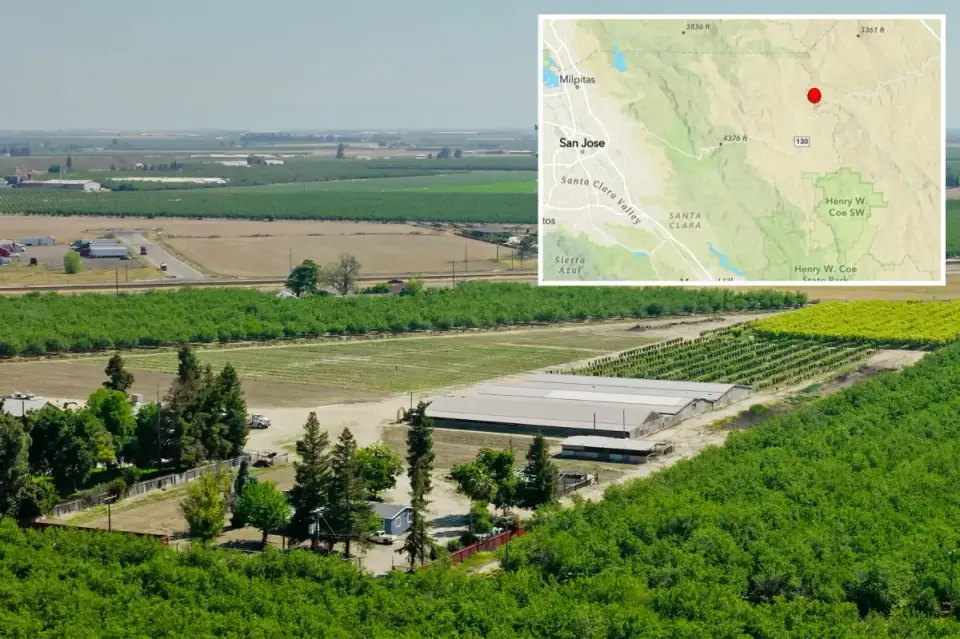
Two earthquakes struck California on Sunday morning, with a 3.5-magnitude quake hitting near El Segundo and Hermosa Beach, followed by a smaller tremor. Shaking was felt across the South Bay and parts of the Bay Area, though no injuries or damage were reported. The events occur amid a recent uptick in seismic activity across the state.
Key points
- A 3.5-magnitude earthquake struck near El Segundo and Hermosa Beach on Sunday at approximately 8:40 a.m. PT, according to the USGS.
- A second, 2.6-magnitude tremor followed about 20 minutes later, with shaking reported from San Jose to Walnut Creek.
- No injuries or structural damage were reported from the Sunday events.
- The quakes follow a recent increase in seismic activity, including a 3.1-magnitude quake near Compton on Sept. 17 and a 3.2-magnitude quake earlier in the month.
- Caltech seismologist Dr. Lucy Jones has warned of the potential for a catastrophic magnitude-7.8 rupture along the southern San Andreas Fault, though such events cannot be predicted.
Background
California has experienced a notable uptick in seismic activity in recent weeks, including over 60 low-magnitude earthquakes in one recent Saturday, most below magnitude 2.0. Earlier this month, a 3.2-magnitude quake struck near Compton, and a 3.1-magnitude quake hit the area on Sept. 17. A separate 3.4-magnitude quake also shook parts of the San Francisco Bay Area during the same weekend. These events follow broader concerns about earthquake risk, with a 30-year forecast indicating a 74.1% chance of a magnitude 6.7+ quake in the Bay Area and heightened attention to the Cajon Pass as a potential 'earthquake gate' where the San Andreas and San Jacinto faults intersect.
How outlets are covering it
The California Post emphasized the back-to-back nature of the Sunday quakes and their broader context within a recent uptick in seismic activity across California, including events in Southern California and the Bay Area. The Los Angeles Times, via its Quakebot system, focused on the specific details of the 3.5-magnitude quake near El Segundo, noting its depth of 7.4 miles and proximity to several South Bay cities. NBC Los Angeles highlighted the impact on Hermosa Beach, noting the quake's depth of 11.9 kilometers and that residents in Gardena, Torrance, and parts of west Los Angeles reported feeling the shaking. All sources agreed on the lack of injuries or damage, but differed in their emphasis on the local impact versus the broader regional seismic trend.
Why it matters
The recent increase in seismic activity, including multiple small earthquakes in Southern California and the Bay Area, underscores ongoing concerns about California's earthquake risk. While the Sunday quakes were minor, they serve as a reminder of the potential for larger, more destructive events, particularly along major fault systems like the San Andreas. Scientists continue to warn that a magnitude-7.8 rupture could severely disrupt transportation, water infrastructure, and other critical systems across the region, highlighting the importance of preparedness and infrastructure resilience.
What to watch
No immediate follow-up actions are expected from the Sunday quakes, as no injuries or damage were reported. However, seismologists will continue to monitor seismic activity in the region, particularly along the San Andreas and San Jacinto faults. Public awareness and preparedness efforts may increase in the wake of the recent uptick in earthquakes, with experts urging residents to review emergency plans and ensure critical infrastructure is resilient to potential future events.
- Two earthquakes suddenly strike California Sunday morning New York Post
- Magnitude 3.5 earthquake rattles South Bay cities latimes.com
- Preliminary 3.6-magnitude earthquake strikes Hermosa Beach area, USGS says abc7.com
- Magnitude 3.6 earthquake strikes near Hermosa Beach ktla.com
- 3.5-magnitude earthquake rattles Hermosa Beach NBC Los Angeles
Want the full story? Read the original reporting
Read on New York Post