
Dolores Huerta Dies at 96: A Legacy of Labor Activism and Complex Personal History
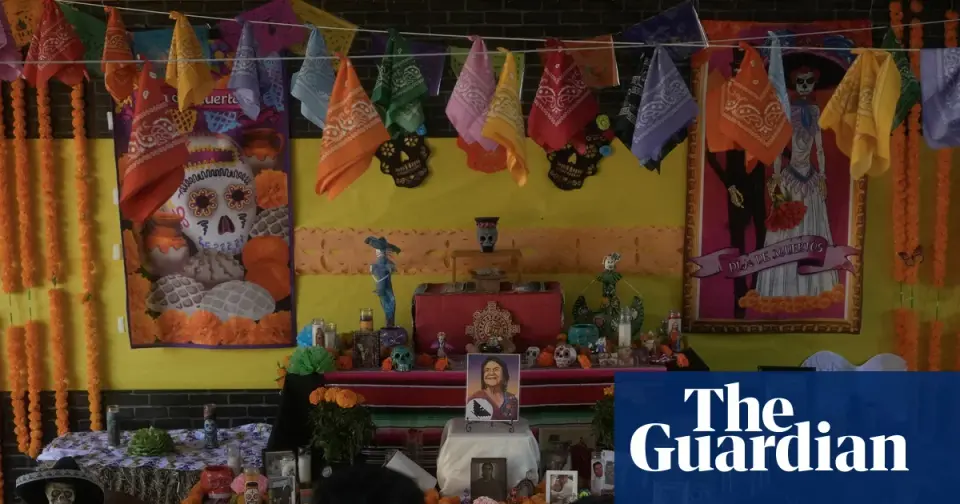
Dolores Huerta, the co-founder of the United Farm Workers and creator of the slogan 'Sí, se puede,' died at age 96 from cancer at her home in Bakersfield, California. Tributes from political leaders, activists, and celebrities highlighted her decades-long fight for farmworkers, immigrants, and women's rights. Her legacy is also marked by her 2026 revelation that her longtime partner, Cesar Chavez, sexually abused her, a secret she kept for decades to protect the movement.
Key points
- Huerta died on Wednesday at age 96 from cancer, according to her family spokesman Erik Olvera.
- She co-founded the United Farm Workers (UFW) with Cesar Chavez and served as its vice president for nearly 40 years.
- The 1965 Delano grape strike, which she helped organize, led to better wages and working conditions for grape pickers.
- California declared April 10, her birthday, as Dolores Huerta Day in 2018.
- In 2026, Huerta revealed that Chavez had raped her, leading to the renaming of streets and replacement of murals in her honor.
- Tributes came from figures including Nancy Pelosi, Kamala Harris, Gavin Newsom, and singer Becky G.
Background
Our archive from October 28, 2026, confirmed Huerta's death and noted the complexity of her legacy due to her recent revelations about Chavez's abuse. The archive also highlighted her advocacy for LGBTQ+ equality and her receipt of the Presidential Medal of Freedom in 2012.
How outlets are covering it
The Guardian and The New York Times emphasize Huerta's role as a skilled organizer and negotiator who worked alongside Chavez, noting that she was often forced to cede credit to him. The New York Times specifically details her role in unionizing California table-grape growers. Rolling Stone focuses on cultural tributes, highlighting singer Becky G's personal connection and Huerta's influence on Latino culture. All sources agree on her death at 96 from cancer but differ in emphasis: The Guardian and NYT focus on political and labor legacy, while Rolling Stone highlights cultural impact. The Guardian notes Huerta's 2026 revelation of abuse by Chavez, which led to public re-evaluations of his legacy, a point not detailed in the other sources.
Why it matters
Huerta's death marks the end of an era for the labor and civil rights movements, particularly for Latino and farmworker communities. Her slogan 'Sí, se puede' remains a powerful symbol of collective action. Her revelation of abuse by Chavez complicates the historical narrative of the UFW, highlighting the often-overlooked struggles of women within social movements. Her legacy continues to inspire ongoing efforts to protect workers' rights and promote social justice.
What to watch
The UFW, led by president Teresa Romero, has stated that the best tribute to Huerta is to continue her work of organizing. Efforts to rename streets and replace murals with Huerta's image are expected to continue across the US. Her foundation in Bakersfield will likely continue its advocacy work, and her influence on voter mobilization and civil rights will remain a focal point for activists and politicians.
- Tributes pour in for labor leader Dolores Huerta: ‘Fought for farm workers to the very end’ The Guardian
- Dolores Huerta, Who Founded United Farm Workers With Cesar Chavez, Dies The New York Times
- Dolores Huerta Spoke To Forbes About Her Legacy And Continued Activism 1 Year Before Her Death Forbes
- Becky G Remembers 'True Legend' Dolores Huerta: 'Knowing You is One of My Life's Greatest Joys' Rolling Stone
- Longtime Labor Organizer Dolores Huerta Dies at 96 WSJ
Want the full story? Read the original reporting
Read on The Guardian