
Bloomberg argues Lower Manhattan’s revival is the ultimate defeat of 9/11 terrorists
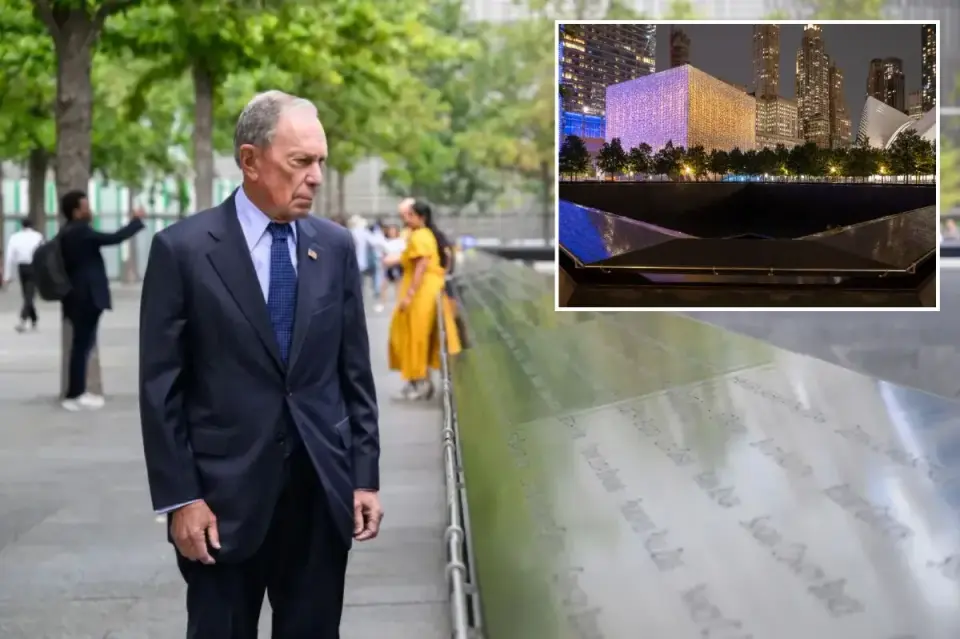
Michael Bloomberg argues that rebuilding Lower Manhattan into a vibrant, 24/7 community is the strongest rejection of 9/11 terrorists. He highlights the 2011 memorial opening and the 2023 Perelman Performing Arts Center as proof that life and unity triumphed over destruction.
Key points
- Bloomberg states that the greatest tribute to 9/11 victims is bringing new life and vitality to the World Trade Center site, not just building a memorial.
- He credits the 2002 decision to transform Lower Manhattan from a 9-to-5 business district into a 24/7 neighborhood with new homes, schools, and parks.
- Bloomberg notes that the 9/11 Memorial opened on the 10th anniversary in 2011 after he stepped in to resolve disputes and delays.
- The Perelman Performing Arts Center opened in 2023, fulfilling the goal of integrating culture, commerce, and commemoration at the site.
- Bloomberg warns that about one in three Americans is now too young to remember 9/11, making the preservation of history urgent.
Background
This opinion piece coincides with the 25th anniversary of the September 11 attacks. Bloomberg, who served as NYC mayor from 2002 to 2013, reflects on the post-attack recovery. Earlier coverage noted that the World Trade Center plaza was once the site of the Evening Stars arts festival, which was canceled after the attacks turned the area into Ground Zero.
How outlets are covering it
Bloomberg’s New York Post and USA Today op-eds emphasize the success of the 24/7 community vision and the symbolic defeat of terrorism through revitalization. In contrast, a Vital City essay offers a more critical, personal perspective, describing the post-9/11 return to work near Ground Zero as a forced normalization of hazardous conditions and questioning the 'generic' nature of the eventual rebuild. While Bloomberg focuses on unity and resilience, the Vital City author highlights the awkwardness of corporate memorials and the lingering physical presence of ash and debris, suggesting a more complex relationship between memory and development.
Why it matters
The debate over how to honor 9/11 victims—through solemn memorialization or active urban regeneration—remains central to discussions about urban resilience and collective memory. Bloomberg’s argument frames economic and cultural revitalization as a moral imperative, while critics argue that the speed of reconstruction sometimes obscured the trauma and health risks faced by survivors and workers.
What to watch
As the 25th anniversary approaches, attention will likely turn to the long-term sustainability of the Lower Manhattan revitalization and the role of institutions like the 9/11 Memorial and Museum in educating a generation that did not experience the attacks firsthand.
- Lower Manhattan must go on living, even as we honor those lost on 9/11 — otherwise, terror triumphs New York Post
- Downtown Manhattan, Split in Two Vital City
- 25 Years After the Sept. 11 Attacks, Lower Manhattan Is Thriving WSJ
- Bloomberg: Lower Manhattan seemed finished after 9/11. We knew better. USA Today
- CM Marte: Pedestrianizing Lower Manhattan Is A Fitting Memorial To Sept. 11 Streetsblog New York City
Want the full story? Read the original reporting
Read on New York Post