
MIT Scientist Wins $6M Defamation Verdict After Five-Year Legal Battle Over Sexual Misconduct Claims
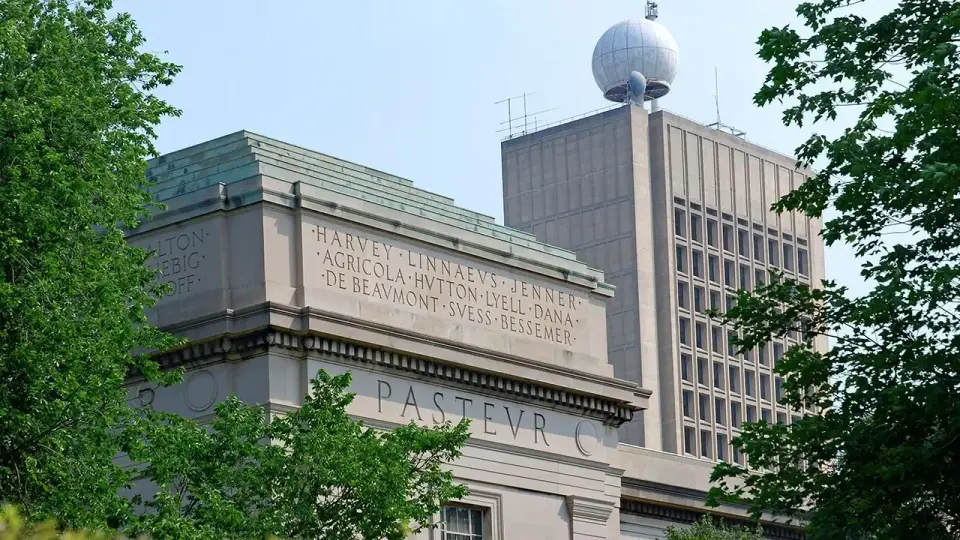
Dr. David Sabatini, a former MIT and Whitehead Institute researcher, was awarded $6 million in damages by a Suffolk County jury on October 17, 2026. The verdict followed a five-year legal dispute with former colleague Dr. Kristin Knouse, who had accused Sabatini of sexual misconduct and coercion. The jury rejected Knouse's counterclaims, finding that Sabatini had defamed her. Sabatini had lost his position at the Whitehead Institute in 2021 after an internal investigation found he had fostered a sexualized atmosphere in his lab, though he maintained the relationship was consensual. The case involved text messages and testimony regarding the nature of their 2018-2019 relationship. Sabatini’s legal team argued Knouse sought to have him fired out of jealousy. The verdict does not resolve claims against the Whitehead Institute, which Sabatini’s team intends to pursue. Knouse’s attorneys plan to appeal. Sabatini, who has since relocated to Prague and Boston, expressed relief but noted the personal toll of the allegations, including threats against his family.
Key points
- A Suffolk County jury awarded Dr. David Sabatini $6 million in damages on October 17, 2026, finding that Dr. Kristin Knouse defamed him.
- Sabatini, a former MIT biology professor and Whitehead Institute lab head, lost his position in 2021 after an internal investigation found he had fostered a sexualized atmosphere in his lab.
- Knouse alleged Sabatini coerced her into a sexual relationship that began in 2018 and ended in 2019; Sabatini maintained the relationship was consensual.
- Sabatini’s attorney, Lisa Arrowood, presented text messages from 2020 in which Knouse expressed emotional attachment to Sabatini, arguing the relationship was voluntary.
- The jury rejected Knouse’s counterclaims of sexual harassment, but Sabatini’s team plans to challenge the dismissal of his claims against the Whitehead Institute.
- Knouse’s attorney, Ellen Zuker, stated the verdict reflects societal difficulties in believing women who face powerful men, and her team plans to appeal.
Background
This case follows a pattern of high-profile legal disputes involving allegations of sexual misconduct in academic and corporate settings, where defamation countersuits have emerged as a strategy for accused individuals. In September 2026, JPMorgan executive Lorna Hajdini renewed a countersuit against a former banker, alleging fabricated sexual assault claims used for extortion, mirroring Sabatini’s claim that Knouse’s allegations were false and motivated by personal jealousy. The Sabatini case also intersects with broader cultural debates about due process in institutional investigations, as Sabatini criticized Whitehead and MIT for prioritizing predetermined conclusions over procedural fairness. His relocation to Prague and Boston reflects the career disruptions faced by academics accused of misconduct, even when later cleared by juries. The case also echoes earlier controversies, such as the 2026 custody dispute between Olivier Martinez and Halle Berry, where allegations of abuse led to legal battles and public scrutiny, highlighting the personal and professional consequences of unproven claims in high-profile cases.
Why it matters
The verdict underscores the legal and personal risks for both accusers and accused in sexual misconduct cases, particularly in academic institutions. Sabatini’s $6 million award and the jury’s rejection of Knouse’s counterclaims may influence how institutions handle internal investigations and public responses to allegations. The case highlights the tension between institutional due process and public perception, as Sabatini’s career was effectively ended despite the favorable verdict, with no U.S. academic positions available to him. The planned appeal by Knouse’s team and Sabatini’s pursuit of claims against Whitehead suggest the legal battle is not over, potentially setting precedents for defamation and tortious interference in similar cases. The case also raises questions about the role of social media and public protests in shaping institutional decisions, as seen in the NYU rejection of Sabatini. For researchers and institutions, the outcome may prompt reevaluation of investigation protocols and support systems for both parties involved in misconduct allegations.
What to watch
Knouse’s attorneys have indicated they will appeal the verdict, while Sabatini’s legal team plans to challenge the dismissal of his claims against the Whitehead Institute. Sabatini intends to rebuild his career and eventually return to working primarily in the United States, though he currently splits his time between Prague and Boston. The case may face further legal proceedings as both sides pursue appeals and additional claims. Institutions like MIT and Whitehead may face increased scrutiny over their investigation processes, though they did not comment on the verdict. Sabatini’s family, who faced threats during the dispute, may continue to seek privacy and security. The outcome could influence future cases involving defamation and sexual misconduct allegations in academic and corporate settings, particularly regarding the standard of evidence and institutional liability.
- Former MIT scientist wins $6M defamation verdict against colleague who accused him of sexual misconduct Fox News
- Jury rules in favor of ousted Cambridge scientist David Sabatini, with $6 million in damages to be awarded The Boston Globe
- Former MIT Scientist Wins Defamation Case Over Sexual-Harassment Accusations WSJ
- MIT Scientist Wins $6 Million in Defamation Suit After Sexual Misconduct Accusation People.com
- David Sabatini, an M.I.T. Scientist, Wins $6 Million in Sexual Harassment Defamation Suit The New York Times
Want the full story? Read the original reporting
Read on Fox News