
Idle ships in Hormuz could spark a global marine biosecurity crisis
TL;DR Summary
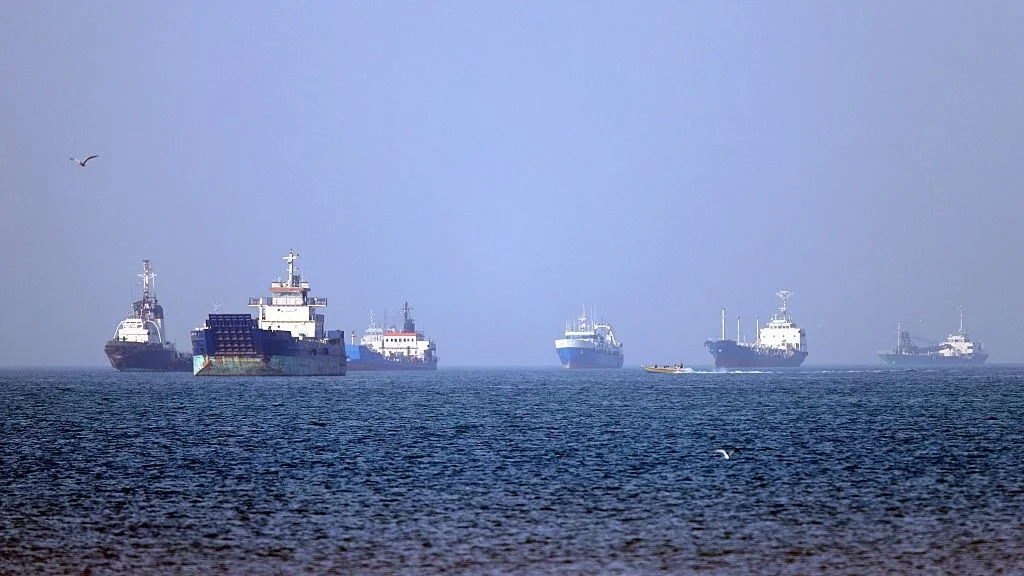
With more than 1,500 ships idling in the Strait of Hormuz, scientists warn this prolonged lay-up creates ideal conditions for marine microbes, algae, barnacles and other organisms to colonize ships’ hulls and ballast water, potentially spreading invasive species worldwide when ships move again—a biological ‘superspreader’ event. A July study in Biological Invasions highlights risks to ecosystems and human health, and experts suggest in‑water hull cleaning and enhanced port monitoring at high‑risk hubs to limit spread, citing zebra mussels as a cautionary example.
- Biological 'superspreader' event could be imminent as more than 1,000 ships idle in the Strait of Hormuz, scientists warn Live Science
- Ships stuck in strait of Hormuz pose ‘super-spreader’ biodiversity threat, scientists warn The Guardian
- Scientists warn of possible invasive species superspreader event due to stalling near Strait of Hormuz ABC News - Breaking News, Latest News and Videos
- Strait of Hormuz ship bottleneck could fuel invasive species nightmare Popular Science
- Idle Ships in Strait of Hormuz Could Lead to Bioinvasion Newser
Reading Insights
Total Reads
1
Unique Readers
54
Time Saved
108 min
vs 109 min read
Condensed
100%
21,714 → 82 words
Want the full story? Read the original article
Read on Live Science