planet-earth111.365 min read
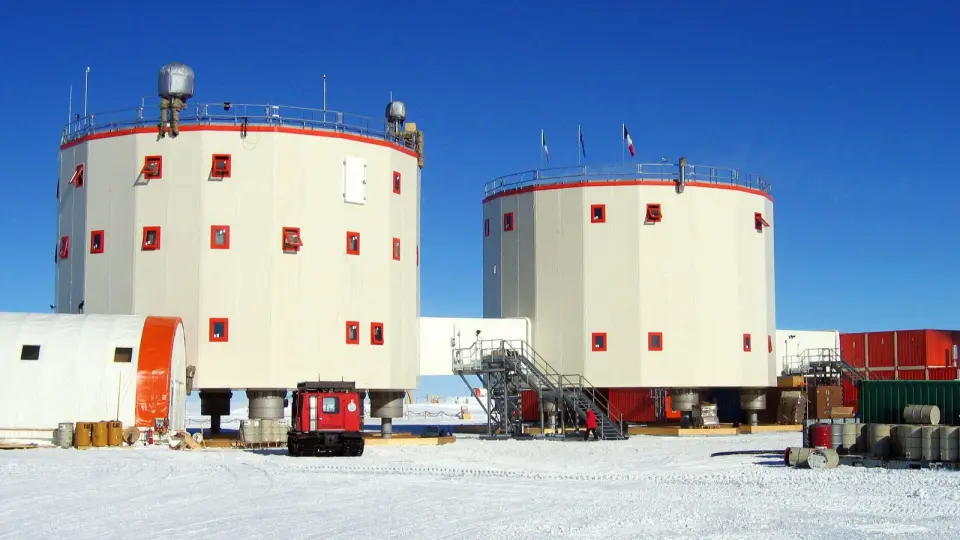
Antarctica clocks Earth's coldest temperature in years at Concordia, underscoring climate complexity
2 months ago•Source: Live Science

The latest planet earth stories, each synthesized from multiple sources with added background and context.
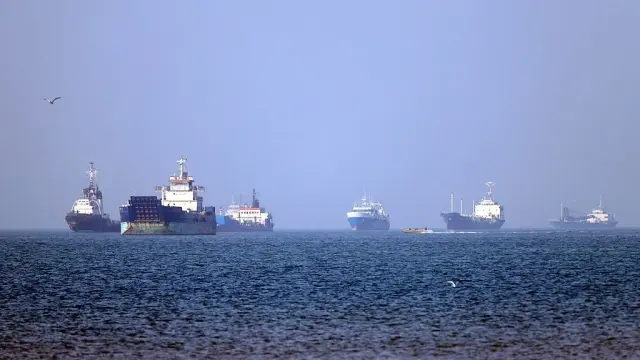
With more than 1,500 ships idling in the Strait of Hormuz, scientists warn this prolonged lay-up creates ideal conditions for marine microbes, algae, barnacles and other organisms to colonize ships’ hulls and ballast water, potentially spreading invasive species worldwide when ships move again—a biological ‘superspreader’ event. A July study in Biological Invasions highlights risks to ecosystems and human health, and experts suggest in‑water hull cleaning and enhanced port monitoring at high‑risk hubs to limit spread, citing zebra mussels as a cautionary example.
Live Science•5 months ago
Live Science•5 months ago
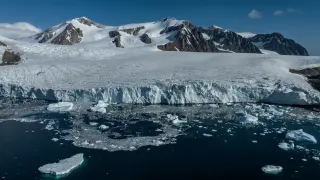
Antarctic sea ice began a rapid, decade-long decline around 2016 after a “violent release” of heat from the deep ocean. Argo floats tracked warming temperatures and salinity shifts, showing that deeper warmth, churned up by winds and a fresher surface layer, prevented ice formation and hindered recovery. The findings underscore the ocean’s key role in decadal sea-ice variability and have implications for adjacent ice shelves and potential sea-level rise, though the long-term trend remains negative as the climate continues to warm.
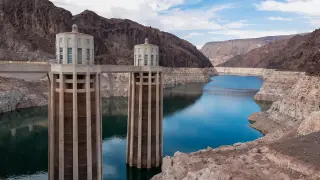
New research warns that even with aggressive cuts by major users (Denver, Las Vegas, Phoenix), the Colorado River’s megadrought and record-low snowpack could push Lake Mead toward critical levels this summer, possibly about 20% full. Demand management and reuse help but cannot close the gap, requiring a wholesale overhaul of water rights and farming: renegotiating the Colorado River Compact, shifting agriculture to water-efficient crops and irrigation (drip), reducing high-water crops like alfalfa and cotton, and leveraging groundwater transfers to align supplies with shrinking demand.
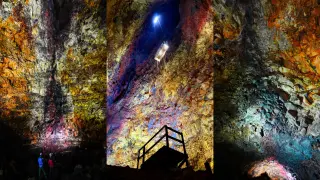
Thríhnúkagígur, a dormant volcano near Reykjavík, hosts the world’s only magma chamber accessible to visitors, reached via an open cable elevator that lowers guests about 210 meters into a hollow chamber whose walls glow with colors from microbes and minerals. Scientists believe the last magma feeding the chamber occurred around 4,500 years ago, with magma likely draining back into the crust, making it a rare geological feature and a unique tourism experience.
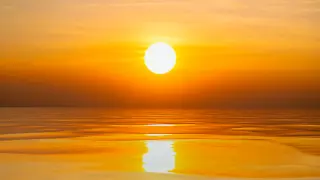
Forecasters with the World Meteorological Organization say El Niño could develop by May–July, potentially a strong event that would raise global temperatures and alter rainfall patterns worldwide. A rapid warming is expected through May–July, with elevated heat across southern North America, Central America, the Caribbean, Europe and Northern Africa, and broad impacts on agriculture, droughts, floods and weather extremes. The WMO notes high confidence in onset and intensification, while NOAA forecasts a possibility of a very strong El Niño later in the year.
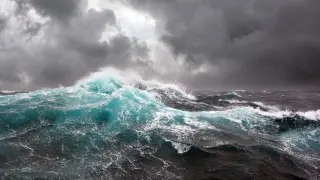
A Science Advances study estimates the Atlantic Meridional Overturning Circulation (AMOC) could slow about 50% by 2100—a weakening stronger than some models predicted—potentially cooling northern Europe and altering rainfall in various regions. The researchers argue that including sea surface temperature and salinity improves forecasts, but experts caution there is substantial uncertainty in the magnitude and timing of the slowdown. While a catastrophic “collapse” is unlikely in the near term, the paper underscores a real risk of crossing a tipping point, prompting calls for nations to prepare for significant climate effects.
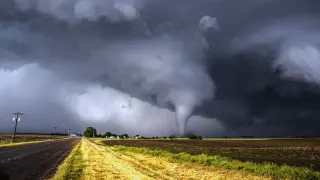
In a Live Science interview, Perry Samson, a university atmospheric-science professor, recounts being dragged into a tornado near Oberlin, Kansas in 2008 during a field trip with students. He describes how the tornado formed quickly, the 200 mph winds and debris, and how, trapped in a car, he rode out the core of the storm for under a minute with the car’s aerodynamics helping him endure. The experience shaped his classroom stories, reinforced safety lessons for students (such as finding a ditch and staying low), and helped fund ongoing field research and endowments after retirement.
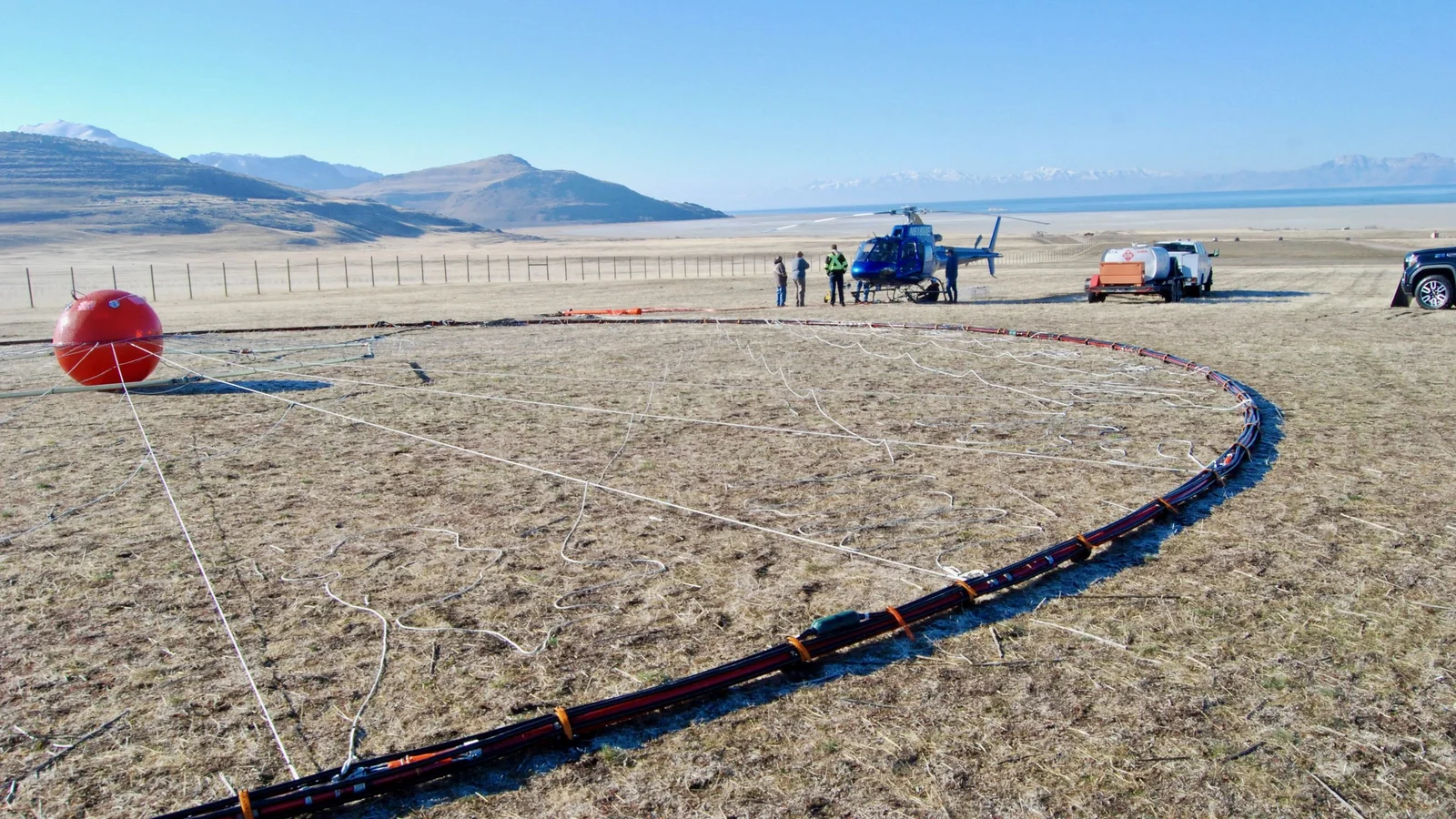
Scientists using airborne electromagnetic surveys found a deep layer of fresh water beneath the eastern margin of Utah's Great Salt Lake, ranging from about 100 meters to 2.5 miles deep. The water likely originates from surrounding mountains and is trapped by underlying rock, suggesting a potentially vast reservoir that could help damp toxic dust from exposed lake beds and provide irrigation water, though expansion of the survey is needed to determine full extent.
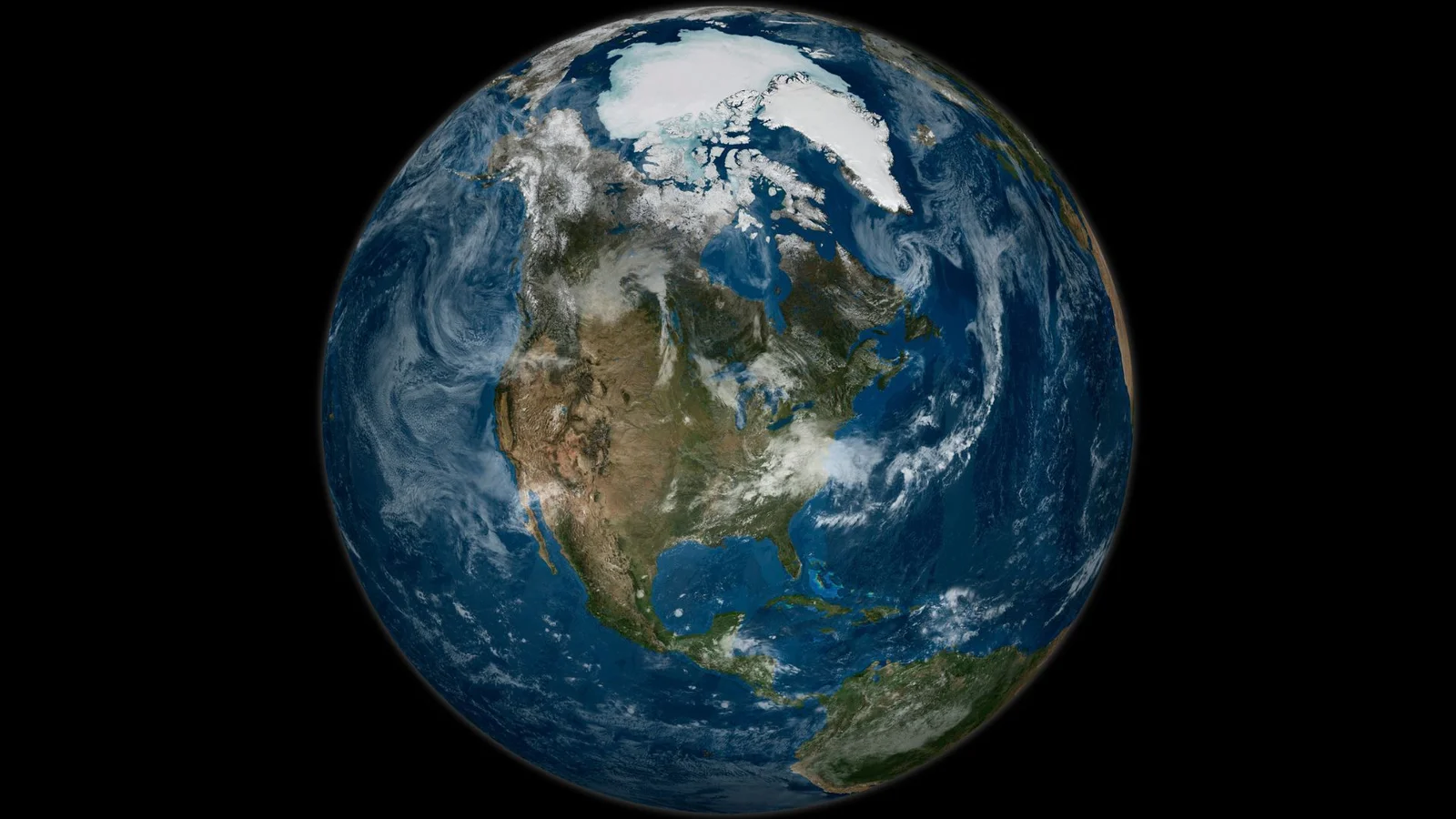
New research ties climate-change–driven sea-level rise to a record-fast lengthening of Earth's day: about 1.33 milliseconds per century today, with warming scenarios predicting up to 2.62 milliseconds per century by 2080. While the Moon’s gravity, glacial rebound, and winds modulate the effect, the human-caused signal is growing; past day lengths were inferred from fossil foraminifera. The current rate is among the fastest in 3.6 billion years and could affect precise timekeeping and spacecraft navigation in the future.
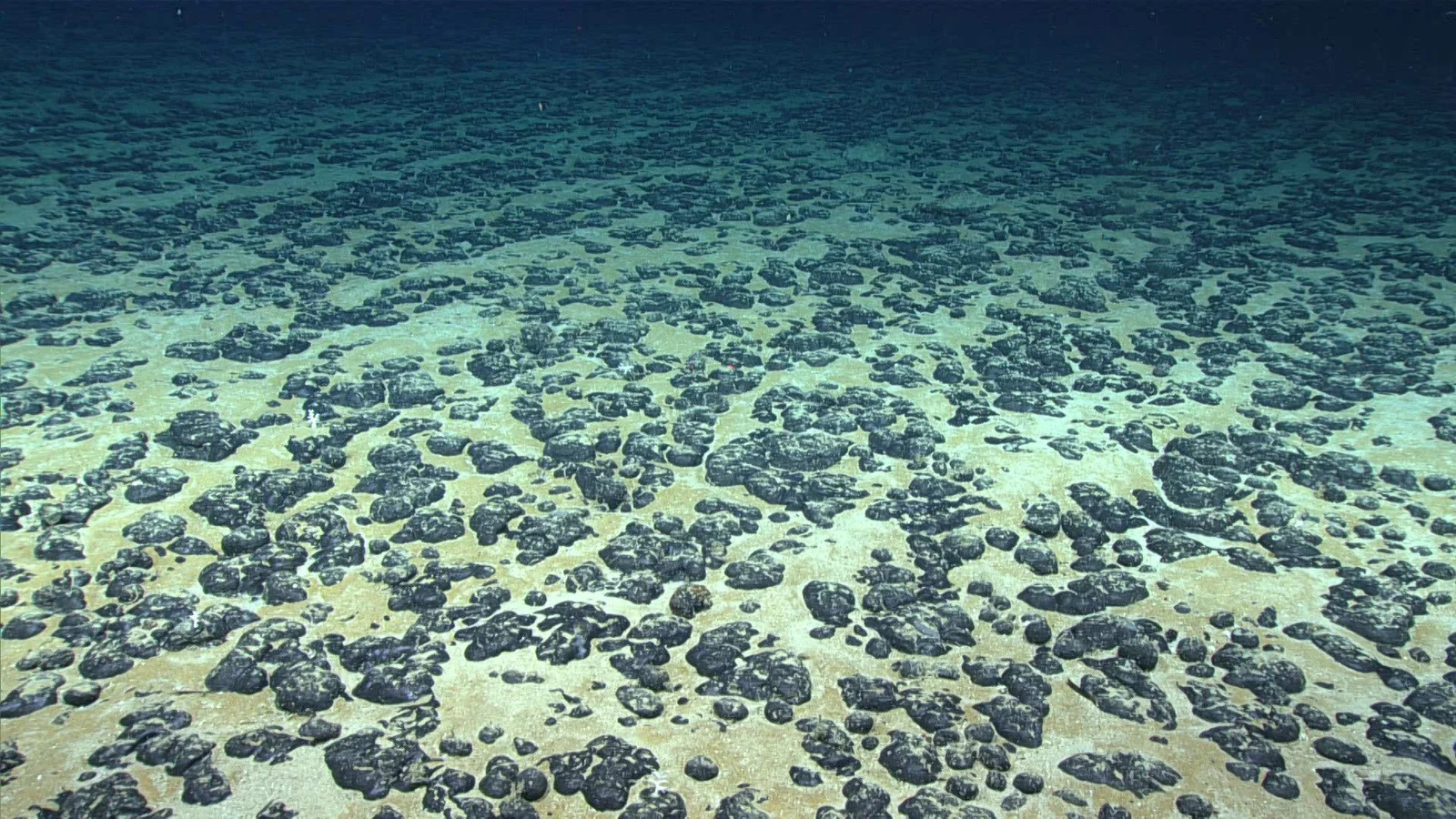
A 2024 study claimed that deep-sea polymetallic nodules could generate oxygen in total darkness via seawater electrolysis, but a December 2025 opinion article from marine scientists and electrochemists argues the results are flawed and likely artifacts, citing improper chamber ventilation, absence of negative controls, missing hydrogen data, and a thermodynamics violation; the authors defend their work and plan a spring CCZ expedition to test the phenomenon, but many experts say the study should be retracted unless the evidence is revised.
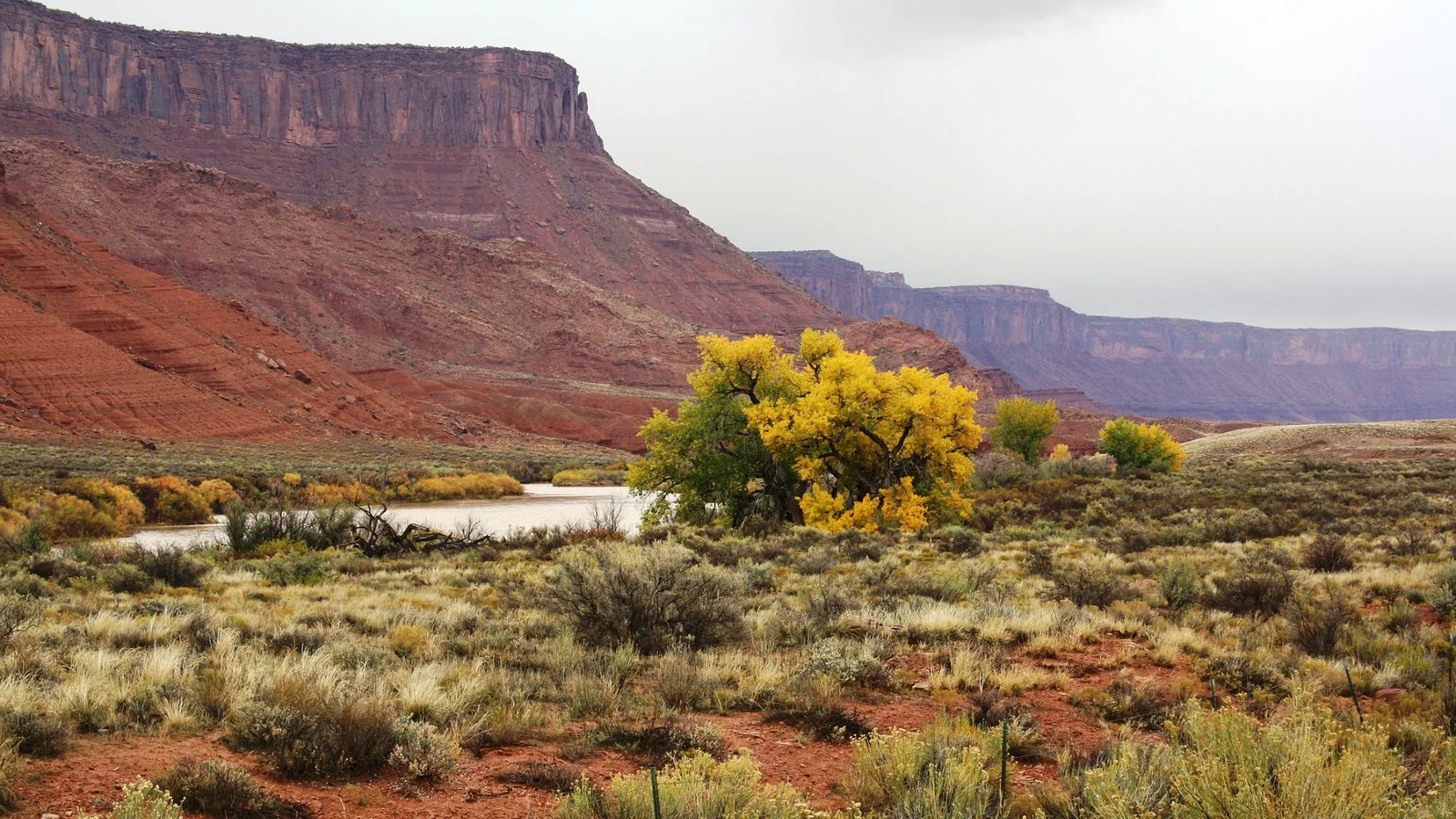
A Princeton-backed study finds that in hot, dry summers vegetation taps groundwater rather than soil moisture, maintaining high evapotranspiration and drawing water away from the Colorado River, thereby reducing basin flows even when snowmelt is abundant. This “drought paradox” suggests climate warming could worsen water shortages and requires revising water budgets and management for the Colorado River basin, impacting states like Arizona and California.