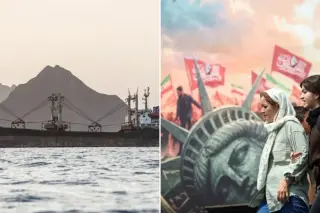
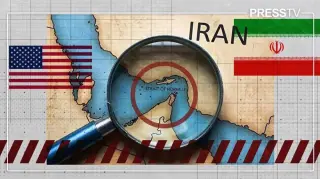
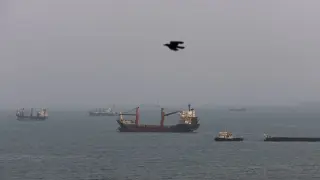
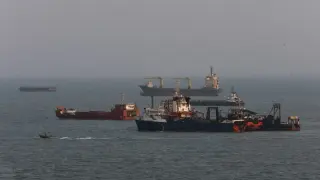
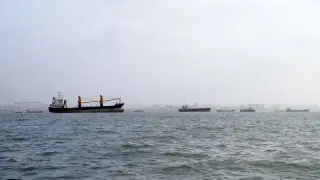
Iran attacked a US-contracted commercial vessel near the Strait of Hormuz with drones and at least one missile, causing minor injuries; the vessel and its cargo were not disclosed, and US officials did not immediately comment. The incident escalates tensions in a region already drawn into a broader US-Iran crisis affecting shipping lanes, with context including recent Houthi actions in the area.
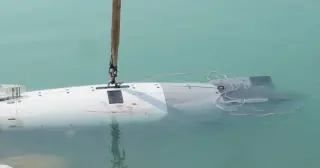
Iran’s IRGC says it trapped and captured the Dive-LD autonomous underwater vehicle built by Anduril near the Strait of Hormuz, calling it a modern U.S. sub; the United States has not issued a formal statement, but a Pentagon spokesperson confirmed the loss and said the device was an older, non-sensitive asset. Dive-LD is a reusable, sensor-ready platform with a claimed depth of up to 6,000 meters, up to 10 days endurance, and a price near $2.5 million; Anduril describes it as an attritable system designed for missions like mine warfare and ISR. The incident comes amid broader US-Iran hostilities, including US strikes on Iranian oil facilities in response to Iranian attacks on ships and bases, underscoring ongoing tensions around the Strait of Hormuz.
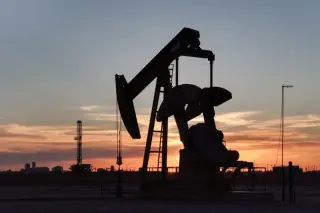
The Iran war is reshaping the global oil economy: Tehran’s control of the Strait of Hormuz has moved from potential disruption to a leverage point that could yield tolls and higher transit costs; China sharply cut crude imports during the conflict and shifted toward coal and EV usage, suggesting some of the demand decline could be permanent; and oil production outside the Middle East is ramping up (Brazil, Guyana, Canada, Norway, the US) with routes being rerouted to bypass Hormuz. Taken together, these shifts could dampen long‑term oil demand, alter pricing, and redraw the geopolitical oil map as regional dynamics (like UAE leaving OPEC and Iraq seeking higher output) evolve.
Oil prices extended gains after U.S. and Iran traded strikes on ships in the Strait of Hormuz, raising worries about prolonged Middle East supply disruption. Brent hovered around $96.80 a barrel and WTI near $92.14, with analysts warning exports could remain constrained through 2026 and only gradually recover late in 2026 or into 2027, while OPEC+ kept October output unchanged.
ISW-CTP’s Iran Update notes that US-led efforts to restore freedom of navigation through the Strait of Hormuz are yielding some results, with higher vessel traffic and oil flow underscoring Iran’s growing difficulty in blocking commercial transit. The report also cites Russia’s covert support for Iran’s development of ramjet-powered supersonic cruise missiles, which could enhance Iran’s strike capabilities. Iran appears to be pursuing two Iraqi-militia tracks—discreetly storing weapons under PMF control and building a smaller, ideologically loyal cadre—while Hezbollah in Lebanon is reportedly training Assadist insurgents to destabilize Syria and protect Iran’s logistics. A September 1 missile strike on Jordan reportedly failed about half the time, suggesting degradation of longer-range capabilities. Iran continues to pressure regional partners to curb US involvement and may consider expanding coercion to undersea infrastructure if feasible.
A Tehran security source dismisses US assertions that the southern route through the Strait of Hormuz is open, calling them a psychological warfare tactic to influence global oil prices. The report notes ongoing tensions, claims traffic through the strait is suspended, and US pressure on Iran continues even as gasoline prices rise in the US, with Iranian officials and media echoing concerns about manipulated “paper” oil markets.
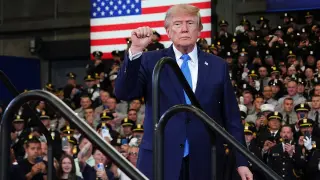
US President Donald Trump claimed the US Navy has removed or detonated all mines in the Strait of Hormuz and warned Iran against placing new ones, a statement framed by ongoing tensions and sanctions that have caused fluctuations in oil prices.
A oil tanker was struck in the Strait of Hormuz amid rising U.S.-Iran tensions, as Washington issued a fresh warning to Tehran while Iran says it is prepared to withstand President Trump’s new sanctions campaign, dubbed an “Economic Outcast.” The coverage ties the incident to broader U.S. financial pressure against Iran, including sanctions, currency collapse, and related cyber and energy disruptions.
A ship was struck in the Strait of Hormuz hours after the Trump administration unveiled broad sanctions to isolate Iran, part of a campaign dubbed Operation Economic Outcast. UKMTO reported the vessel suffered engine-room damage and that the crew were safe; authorities did not assign blame. The accompanying actions include OFAC sanctions against dozens of Iranian entities and sectors tied to oil revenue, digital assets, technology, gold, aviation, and shipping, with Iran and its allies threatening retaliation. Separately, Houthi forces attacked a Saudi tanker in the Red Sea, underscoring ongoing kinetic pressure on shipping routes from Hormuz to Bab al-Mandeb. Analysts warn such incidents risk disrupting oil flows even as the U.S. argues the sanctions will push Iran back to negotiations, while domestic political considerations in the United States loom over the conduct of the conflict.
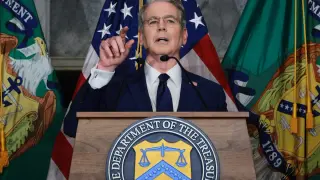
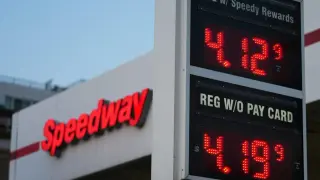
As the US prepares new, unprecedented sanctions on Iran, Tehran's security chief Mohsen Rezaei vows the country will not submit and even hints at shutting oil traffic through the Strait of Hormuz; Iran is selectively permitting Iraqi tankers to pass while Hormuz shipping remains about 20% of pre-war levels, with US Navy escorting traffic and US gas prices near $4.11 per gallon, up almost $1 from a year ago. Treasury Secretary Scott Bessent is set to announce the measures, and global reactions—from China to Gulf partners—underscore the broader geopolitical contest around Iran's oil routes.
As U.S.-Iran tensions heat up, Trump floated making the Strait of Hormuz U.S. territory after defeating Iran, prompting a swift Iranian rebuke that Tehran will control the strait; the live blog also notes UAE blaming Iran for attacks on ADNOC vessels, reports of an unknown projectile strike near Kumzar, and ongoing U.S. military deployments and morale measures aboard the USS Abraham Lincoln, underscoring a crowded naval flashpoint in the Hormuz corridor.
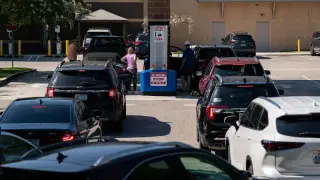
GasBuddy says the national average price for gasoline has just topped $4 a gallon, the highest ever for this time of year, underscoring ongoing oil-market volatility linked to the Strait of Hormuz disruptions and Iran tensions, with prices near the 2022 August peak.
The Trump administration claimed oil flows had returned to normal after rerouting around the Strait of Hormuz, but shipping data show far lower tanker traffic than asserted, with Middle Eastern oil increasingly moved via pipelines and a shadow fleet. Experts say the reality diverges from the narrative and the flow around Hormuz remains constrained and uncertain.
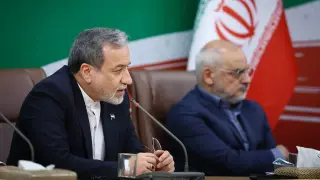
Iranian Foreign Minister says Tehran is not in direct talks with the U.S. to reopen the Strait of Hormuz and that any agreement would come through intermediaries, with Oman playing a key role; reopening would require Washington to meet Tehran’s conditions such as lifting sanctions and end to the naval blockade, paying reparations, and releasing frozen assets. Meanwhile, Iran-backed Houthis claimed a drone strike on Saudi Aramco’s Jazan refinery as markets await any potential deal, prompting oil-price movement as transit-route discussions continue.
ISW-CTP’s update portrays Iran pressing for new US concessions before “reopening” the Strait of Hormuz, using messaging and force to signal continued control while hardliners led by IRGC commander Ahmad Vahidi shape demands. Tehran is pushing a six-point package (blockade lifting, sanctions relief, withdrawal of forces, war reparations, released assets, and ceasing attacks on allies) and has floated a temporary transit route through Oman, signaling that reopening remains conditional. A missile strike on a UAE-affiliate tanker in the Strait shows Iran’s ongoing coercive tactics. The US blockade remains costly to Iran’s oil exports and economy, but Iran has not softened its maximalist position. Iranian aims, according to the update, include international recognition of strait control, degrading US capabilities, restoring deterrence, and dividing the US-Israel axis from Arab states, with the update noting a revised structure following the resumption of war.