
DHS Proposes $100K University Fees for International Student Work Authorization
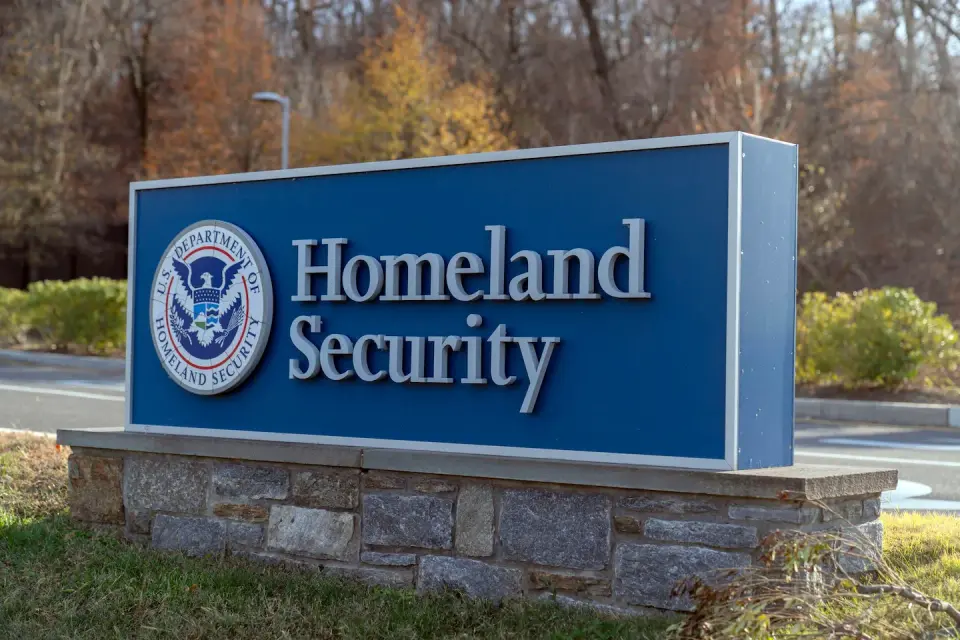
The Department of Homeland Security has proposed a rule requiring universities to pay $70,000 for each international student’s initial Optional Practical Training (OPT) recommendation and $30,000 for subsequent extensions. This shifts the cost burden from students to institutions, potentially raising total costs to $100,000 per student and threatening the viability of the work program.
Key points
- DHS proposes a $70,000 fee for initial OPT recommendations and $30,000 for extensions, totaling up to $100,000 per student.
- The fees would be paid by SEVP-certified universities, though institutions may pass costs to students or employers.
- DHS cites fraud prevention and protection of American workers as justifications for the new fees.
- The proposal could generate $8.4 billion to $16.5 billion annually and significantly reduce OPT participation.
- The rule is part of a broader effort to tighten immigration pathways, including recent H-1B fee proposals.
Background
This proposal follows a September 2026 federal court ruling that blocked DHS attempts to cap the duration of stays for F-1 visa holders, highlighting ongoing tensions between immigration enforcement and international education. It also aligns with recent moves to increase fees for H-1B visa petitions, signaling a broader strategy to restrict post-graduation work authorization for foreign students.
How outlets are covering it
The Washington Post and Politico emphasize the potential impact on international enrollment and the shift of financial burden to universities, noting that experts warn costs may be passed to students. Erickson Immigration Group provides a more technical analysis, detailing the regulatory mechanics and estimating the financial scale of the proposal, while also noting that DHS explicitly allows schools to recover costs from students or employers. All sources agree on the fee amounts but differ in emphasis: news outlets focus on the policy’s disruptive potential, while the legal analysis highlights the procedural and financial implications for institutions.
Why it matters
The proposed fees could drastically reduce access to OPT, a key pathway for international students to gain U.S. work experience and transition to other visa statuses. This may affect industries reliant on foreign talent, such as tech and finance, and could lead to further declines in international enrollment at U.S. universities.
What to watch
DHS will accept public comments for 30 days after the rule’s publication in the Federal Register on October 8, 2026. If finalized, the rule would take effect 60 days later, requiring fees for any OPT recommendations issued after that date.
- Universities may face up to $100K in fees for foreign students to work in U.S. The Washington Post
- Trump administration plans to charge international students $70,000 for work authorization Yahoo
- DHS proposes $70K fee for international student work program Politico
- DHS Proposes $70,000 OPT Fee and $30,000 STEM OPT Fee for International Students Erickson Immigration Group
- US proposes US$70,000 fee for foreign students to work after graduation South China Morning Post
Want the full story? Read the original reporting
Read on The Washington Post