
White House freezes tech green cards, probes elite universities over visa use
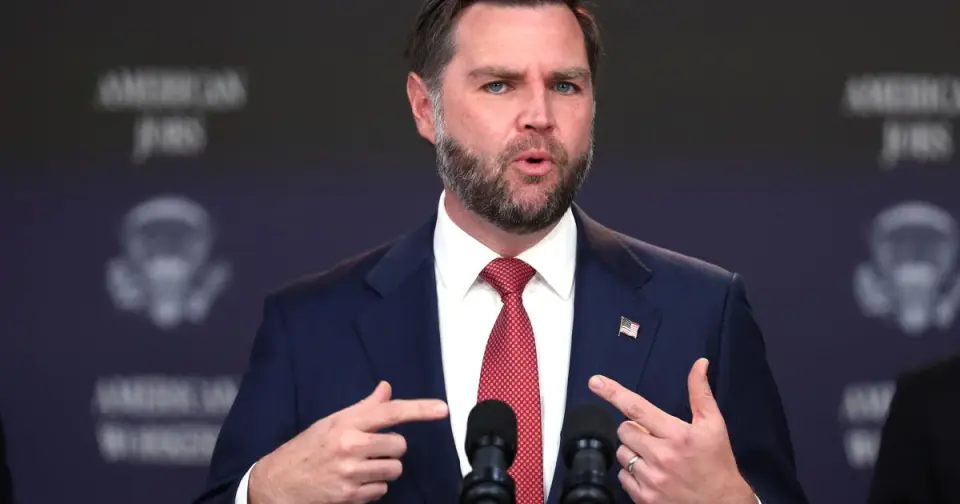
The Trump administration has launched a dual crackdown on international talent, suspending green card applications for eight major tech firms and investigating nine universities for alleged misuse of J-1 exchange visas. While officials claim these moves protect American wages, critics argue the actions contradict the administration’s reliance on immigrant innovation and threaten U.S. competitiveness in research and technology.
Key points
- Vice President JD Vance announced that Microsoft, Adobe, and six other tech companies, including Cognizant and Infosys, are suspended from the Permanent Labor Certification program, blocking them from sponsoring H-1B workers for green cards.
- The administration is investigating Stanford, Caltech, UC Davis, Harvard, Yale, Brown, MIT, the University of Pittsburgh, and Arizona State University for alleged abuse of J-1 visas, which allow international scholars to work and study in the U.S.
- Vance claimed that universities use J-1 visas to undercut American graduate student wages, noting that J-1 holders on federally funded grants are paid approximately $20,000 less than their American counterparts.
- Microsoft defended its practices, stating that 80% of its recent H-1B applications were for existing employees and that these workers represent only 1% of its U.S. workforce.
- Arizona State University denied the allegations, asserting it is in complete compliance with U.S. law and that its large STEM workforce benefits the national economy.
- The crackdown follows a series of restrictive immigration measures, including a proposed $70,000 fee for Optional Practical Training and a four-year cap on student visas, which a federal judge previously blocked.
Background
This latest action intensifies a broader trend of immigration restrictions under the current administration. Earlier in 2026, the government attempted to impose a $100,000 fee on H-1B visas, a move struck down by a federal judge in June. Additionally, the administration has pursued mass revocations of B-1 and B-2 visas and imposed targeted restrictions on nationals from countries like South Africa. These policies have already contributed to a 27% drop in new research scholars from 2024 to 2025, with California, which led the nation in new scholars, facing significant uncertainty regarding future international enrollment.
How outlets are covering it
The Los Angeles Times and KTAR News 92.3 FM both report on the core facts of the visa freeze and university investigations but highlight different aspects of the controversy. The Los Angeles Times emphasizes the irony of the administration targeting Microsoft while President Trump simultaneously awarded the National Medal of Technology to Microsoft CEO Satya Nadella and Tesla CEO Elon Musk, both of whom are immigrants. It also notes the confusion among immigration lawyers regarding the scope of the freeze. KTAR News 92.3 FM focuses heavily on the specific accusations against Arizona State University, including Vance’s claim that J-1 holders on federal grants are paid 61% of the time compared to a 38% national average, and highlights ASU’s denial of wrongdoing. Both outlets note the tension between the administration’s rhetoric of protecting American workers and the reality of U.S. reliance on international talent for technological leadership.
Why it matters
These moves could significantly disrupt the U.S. technology and academic sectors, which rely heavily on international talent. If the restrictions lead to a further decline in international students and researchers, it may weaken U.S. competitiveness in global innovation. The targeted freeze on green cards for major tech firms could force companies to reduce hiring or shift operations, while the university investigations may deter international scholars from enrolling in U.S. programs, exacerbating the already observed drop in research scholars.
What to watch
The administration is expected to continue its investigation into the nine universities, with Labor Department Inspector General Anthony D’Esposito confirming that subpoenas have been served. Microsoft and other affected tech companies are likely to engage in legal or administrative challenges to the green card suspension. Universities, including Stanford and UC Davis, have stated they will cooperate with the investigation, while Arizona State has denied any violations. The outcome of these actions will depend on whether the administration can substantiate claims of wage undercutting and visa abuse, or if courts will intervene to protect the rights of international students and workers.
- White House cracks down on student visas at Stanford and Caltech, as well as tech work visas Los Angeles Times
- Arizona State among 9 universities targeted in new federal visa fraud investigation AZ Family
- UC Davis among universities investigated for alleged visa fraud by Trump administration KCRA
- Vance says 9 universities will be investigated over foreign visas The Hill
- Vice President JD Vance accuses Arizona State, 8 other universities of visa abuse KTAR News 92.3 FM
Want the full story? Read the original reporting
Read on Los Angeles Times