
DHS proposes $100,000 university fee to restrict international student work in US
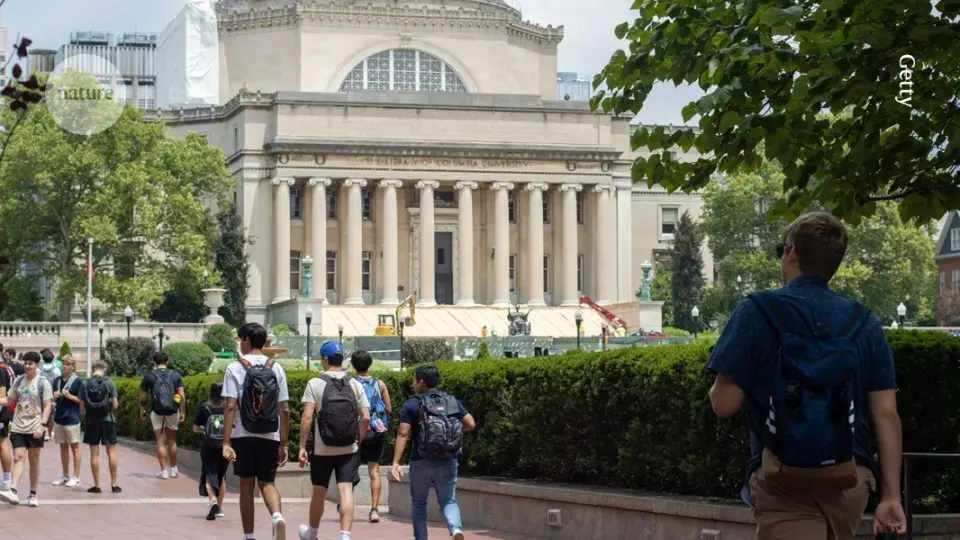
The US Department of Homeland Security has proposed a rule requiring universities to pay up to $100,000 for each international student participating in Optional Practical Training (OPT). This fee, split into a $70,000 base charge and a $30,000 extension for STEM graduates, aims to curb fraud but is projected to drastically reduce the pipeline of global talent into the US workforce.
Key points
- The proposed rule mandates a $70,000 fee for initial OPT participation and an additional $30,000 for STEM extensions, totaling $100,000 per student.
- Universities would bear the initial cost, though DHS notes they may pass these expenses to students or employers.
- DHS claims the fee is necessary to combat fraud and 'uncontrolled guest worker pipelines,' while critics argue it will destroy US competitiveness in STEM fields.
- The proposal is part of a broader Trump administration strategy to restrict foreign talent, following similar moves against H-1B visas that were previously blocked in court.
- A public comment period is open until November 9, 2026, with the rule potentially taking effect 60 days after finalization.
Background
This proposal follows a series of recent immigration restrictions, including a $100,000 levy on H-1B visas that was struck down by a federal judge in June 2026, and a rule capping international student stays at four years. In September 2026, Chinese President Xi Jinping announced a plan to invite 100,000 young Americans to China for study, highlighting the shifting dynamics of global educational and talent exchange.
How outlets are covering it
DHS officials argue the fee will strengthen program integrity and protect American workers from 'cheap foreign labor.' In contrast, economists and higher education leaders warn the measure will 'obliterate the pipeline' of STEM talent, with projections suggesting a 44% drop in OPT enrollment and a 6-11% reduction in the US STEM workforce over a decade. Legal advocates contend the fee lacks statutory authority and will likely face successful court challenges, similar to previous visa restrictions.
Why it matters
The OPT program is a critical pathway for 420,000 international students to enter the US workforce, particularly in tech and science. If implemented, the fee could cost US universities $2.5 to $4.2 billion in annual revenue and force top international prospects to seek opportunities in competitor nations, potentially undermining US innovation and economic growth.
What to watch
The public comment period for the proposed rule ends on November 9, 2026. DHS must review these comments before issuing a final rule, which would then take effect 60 days after publication. Legal challenges are expected, given the precedent of similar visa fees being blocked by federal courts.
- US proposes $100,000 charge for international students to do post-graduate work Nature
- Trump Administration Proposes $70K Fee for International Students to Work in U.S. Time Magazine
- DHS Immigration Rule Proposes $100,000 In Practical Training Fees Forbes
- US colleges could face a $70,000 fee for international students to work after graduation Business Insider
- DHS proposes $70K fee for initial OPT participation and $30K for extensions Higher Dive
Want the full story? Read the original reporting
Read on Nature