
HUD rule mandates citizenship proof, risking eviction for 80,000 in mixed-status families
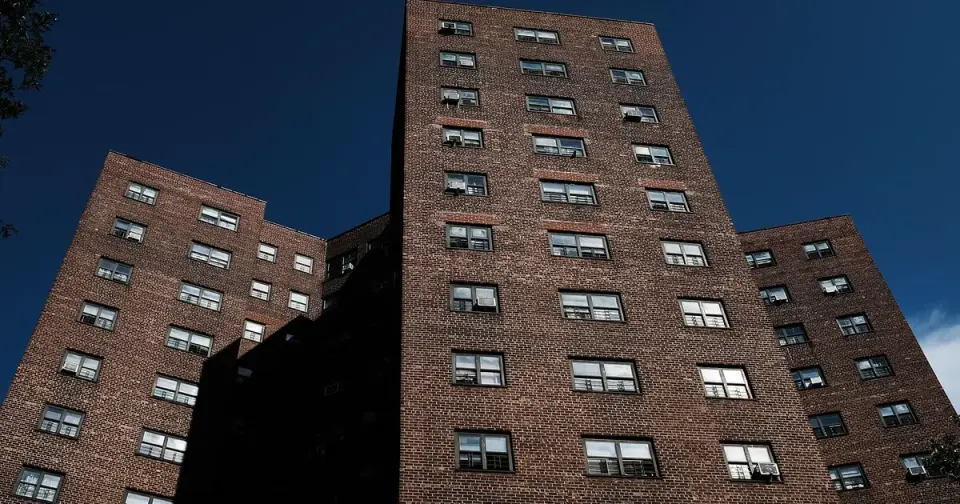
The U.S. Department of Housing and Urban Development (HUD) has finalized a rule requiring all residents of federally assisted housing to verify U.S. citizenship or eligible immigration status. Effective December 14, 2026, the measure ends a 1995 provision allowing mixed-status families to live together. Critics estimate the rule could displace nearly 80,000 people, including 37,000 U.S. citizen children, by forcing families to choose between separation and eviction. HUD argues the change closes a loophole and frees up units for eligible veterans and elderly citizens, while opponents warn it will increase homelessness and administrative costs.
Key points
- HUD published the final rule on November 12, 2026, mandating verification of citizenship or eligible noncitizen status for all tenants in covered programs.
- The rule takes effect on December 14, 2026, ending the long-standing allowance for mixed-status households to reside together in public housing.
- The Center for Budget and Policy Priorities estimates approximately 80,000 individuals, including 37,000 children, may be affected by the new requirements.
- HUD Secretary Scott Turner stated the move addresses an audit finding nearly 200,000 tenants with incomplete eligibility verification, aiming to prioritize eligible veterans and disabled individuals.
- Opponents, including 22 state attorneys general and housing advocates, argue the rule will exacerbate the affordable housing crisis and force families into homelessness or separation.
Background
This development follows a series of federal actions tightening immigration-related benefits in 2026. In October, Medicaid cuts under the 'One Big Beautiful Bill' stripped coverage from thousands of legal immigrants. Earlier in the year, a similar attempt to restrict mixed-status housing was withdrawn in 2021, but HUD reintroduced the proposal in February 2026 after receiving over 11,000 public comments. The current rule aligns with broader executive orders aimed at ending taxpayer subsidies for open borders.
How outlets are covering it
HUD and Secretary Scott Turner frame the rule as a necessary enforcement measure to ensure federal funds go only to eligible citizens and lawful noncitizens, citing an audit of 200,000 unverified tenants and long waitlists for veterans. In contrast, CBS News, The Intercept, and NPR emphasize the human impact, noting that mixed-status families often pay higher rent shares and that the rule may cost the government more due to reduced subsidies. The Intercept highlights that the new verification process uses the SAVE system, which has previously flagged eligible voters incorrectly, raising concerns about wrongful evictions. While HUD claims to close a 'loophole,' critics describe the policy as a tool for immigration enforcement that will displace tens of thousands of U.S. citizen children.
Why it matters
The rule directly impacts the stability of millions of households in federally assisted housing. By requiring strict documentation, it risks displacing tens of thousands of families, including U.S. citizen children, potentially increasing homelessness and straining local social services. The policy also shifts the financial burden to HUD, which may face higher costs for remaining eligible households while losing revenue from prorated subsidies. This move signals a broader federal shift toward restricting benefits for mixed-status families, influencing housing policy across all 50 states, particularly in California, New York, and Texas.
What to watch
The rule takes effect on December 14, 2026. Local housing authorities have a few months to implement the new verification processes. Legal challenges are expected from advocacy groups and state attorneys general. HUD will likely monitor compliance and may face budget shortfalls if mixed-status families leave the program, as their prorated subsidies were lower than full subsidies for eligible-only households.
- Public housing residents must prove immigration status under new HUD rule, possibly displacing thousands CBS News
- HUD Action Ensures All HUD-Assisted Tenants Are Fully Eligible Under the Law U.S. Department of Housing and Urban Development (HUD) (.gov)
- New Trump Rule Threatens Immigrant Families With Separation or Homelessness The Intercept
- New rule could push out of subsidized housing tens of thousands of U.S. children NPR
- Trump Administration Finalizes HUD Rule Requiring Citizenship, Immigration Status Checks For Residents In Covered Housing Programs: Scott Turner Says It Will Close 'Decades-Old Loophole' Yahoo
Want the full story? Read the original reporting
Read on CBS News