
Lewis’s New Book Exposes the Human Cost of DOGE’s Government Purges
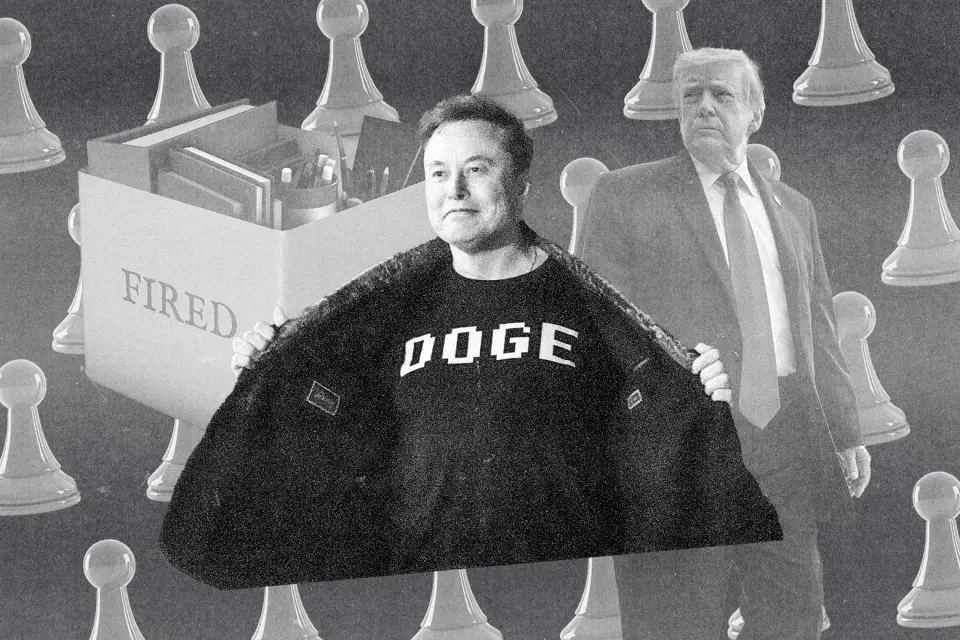
Michael Lewis’s new book, 'Blockers: Rebels in the Deep State,' chronicles the destruction of the U.S. civil service by the Department of Government Efficiency (DOGE). The book profiles six federal employees who resisted Musk’s cuts, highlighting the contrast between competent public servants and inexperienced DOGE operatives. It reveals how figures like Francis Collins and IRS officials were forced out or coerced, arguing that this purge will harm the government for decades.
Key points
- The book 'Blockers' profiles six federal workers who resisted DOGE’s spending cuts, including a security chief at the U.S. Institute of Peace and an IRS official.
- Lewis contrasts these dedicated civil servants with DOGE operatives, such as Gavin Kliger, who lacked professional experience and demanded sensitive data.
- The book details the forced retirement of Francis Collins, former NIH director, who was pressured to leave despite his contributions to the Human Genome Project.
- Lewis reveals that acting IRS commissioner Melanie Krause complied with DOGE demands to fire staff, contradicting her public image of resistance.
- The author argues that the loss of experienced experts and the appointment of loyalists will cause long-term damage to U.S. government functions.
Background
This release follows recent media scrutiny of Elon Musk’s DOGE initiative, including a September 2026 Washington Post interview with former insider Tyler Hassen and Alex Gibney’s documentary 'Musk,' which premiered at the Venice Film Festival. Those works explored the cultural clash within DOGE and Musk’s personal and political trajectory, providing background to the current focus on the administrative consequences of his government efficiency campaign.
Why it matters
The book provides a detailed account of the internal resistance to DOGE’s policies, highlighting the potential long-term impact on federal capabilities. By documenting the removal of key experts and the behavior of DOGE operatives, it offers a critical perspective on the administration’s approach to government restructuring and the erosion of institutional knowledge.
What to watch
The book is available for purchase, and the public record of DOGE’s actions is expanding through legal challenges and further reporting. The long-term effects on federal agencies, particularly in areas like firefighting research and public health, will likely be assessed in subsequent analyses and policy reviews.
Want the full story? Read the original reporting
Read on slate.com