Federal employees displaced by recent executive actions are seeking legislative intervention from the newly empowered Democratic majority. While the party secured significant gains in the 2026 midterms, internal disagreements over policy priorities may delay efforts to restore the workforce.
New federal rules cap high performance ratings at 40 percent, causing morale issues. IRS leadership urges staff to maintain high standards despite the changes, while unions argue the policy harms retention and ignores the financial impact of lower ratings.
The Trump administration has implemented a new stacked-ranking system for federal employees, capping top ratings at 40% and eliminating the second-lowest performance tier. While OPM Director Scott Kupor argues this rewards high performers, critics and employees report severe morale issues, chaotic implementation, and potential violations of union contracts.
Federal employees at the Department of Health and Human Services are submitting mandatory 6,000-character self-assessments under a new performance review system, but many view the change with deep suspicion. Officials claim the updates aim to calibrate ratings and ensure consistency across agencies, yet staff fear the process is a tool to justify pay reductions or push out workers. This tension is heightened by the trauma of recent layoffs and departures during the DOGE era, leading to a widespread distrust of the administration's motives behind the new evaluation framework.
Michael Lewis’s new book, 'Blockers: Rebels in the Deep State,' chronicles the destruction of the U.S. civil service by the Department of Government Efficiency (DOGE). The book profiles six federal employees who resisted Musk’s cuts, highlighting the contrast between competent public servants and inexperienced DOGE operatives. It reveals how figures like Francis Collins and IRS officials were forced out or coerced, arguing that this purge will harm the government for decades.
A new Government Accountability Office (GAO) report reveals that the federal government spent $9.5 billion on paid administrative leave in 2025, a sixfold increase from 2023. Approximately $6.7 billion of this total was tied to the deferred resignation program, which allowed roughly 140,000 employees to resign while retaining full pay and benefits through September. This initiative, spearheaded by the Department of Government Efficiency (DOGE), contributed to a 13% reduction in the federal workforce. While the administration argues these one-time costs yield long-term savings, critics and the GAO highlight significant data gaps and service disruptions.
A Government Accountability Office (GAO) report reveals the Trump administration spent an estimated $9.5 billion on paid administrative leave for federal employees in 2025. This expenditure, driven by the Department of Government Efficiency (DOGE) deferred resignation program, represents a 435% increase in leave usage and a sixfold rise in salary costs compared to 2023. Approximately 140,000 employees accepted the offer to resign while receiving pay through September 2025. While the Office of Personnel Management (OPM) argues these are one-time costs that yield long-term savings, critics and the GAO highlight data gaps and question the efficiency of the downsizing strategy.
Trump signs an executive order reclassifying about 8,000 senior policy-influencing federal roles as Schedule Policy/Career, making them at-will and enabling swifter removal for poor performance, misconduct, or subversion while preserving nonpartisan hiring; most of these are GS-15 or Senior Level positions such as directors and senior policy officials; the move is pitched as restoring accountability and reducing red tape in the federal workforce, building on EO 13957 and contrasting with Biden-era policies.
President Trump signed an executive order reclassifying roughly 8,000 senior federal policy positions into a new Schedule Policy/Career category, allowing agencies to fire these employees without the usual due-process protections. The move is part of a broader push to reshape the federal workforce, but has spurred lawsuits and criticism that it politicizes civil service; Democrats and watchdogs say it undermines accountability, while supporters say it improves policy execution. Biden had previously halted a similar Schedule F effort, and ongoing legal challenges question the policy’s legality and impact on federal services.
A survey of more than 300 fired federal probationary workers finds 95% report ongoing mental health effects, with about half showing PTSD-like symptoms and many taking new medications. Respondents across 43 states and 12 agencies describe instability, job loss, and lower pay in new roles. A federal judge ruled the terminations unlawful but did not require reinstatement, and related court cases continue as the government faces accountability for the firings and the loss of scientific expertise.
The CFPB is rolling out a four-part return-to-office plan that moves operations to a new Southwest Washington, DC office, with roughly 650 staff within 50 miles required to report by July 13 and the remaining 450 by Aug 31; the new site has space for about 550, raising fears of mass resignations or terminations and prompting union opposition and court scrutiny as litigation by the NTEU and others unfolds.
The Partnership for Public Service narrowed 2026’s Service to America Medals (the Sammies) to four honorees, down from prior years, citing upheaval in the federal workforce—including the loss of more than 300,000 federal employees—and a strained White House–career staff relationship that reduced nominations. Honorees include Gharun Lacy (State) for stopping a China-linked cyberattack, James Szykman (EPA) for collaborating with NASA on the TEMPO satellite to monitor air pollution, Jill Frisch (formerly IRS) for tax-revenue recovery through litigation, and Ransom Baldwin, Curtis Van Tassell, and Paul VanRaden (USDA) for dairy cattle genetics research improving milk production and animal health. The awards will be presented during Public Service Recognition Week at the National Museum of the American Indian, marking the 25th anniversary of the Sammies.
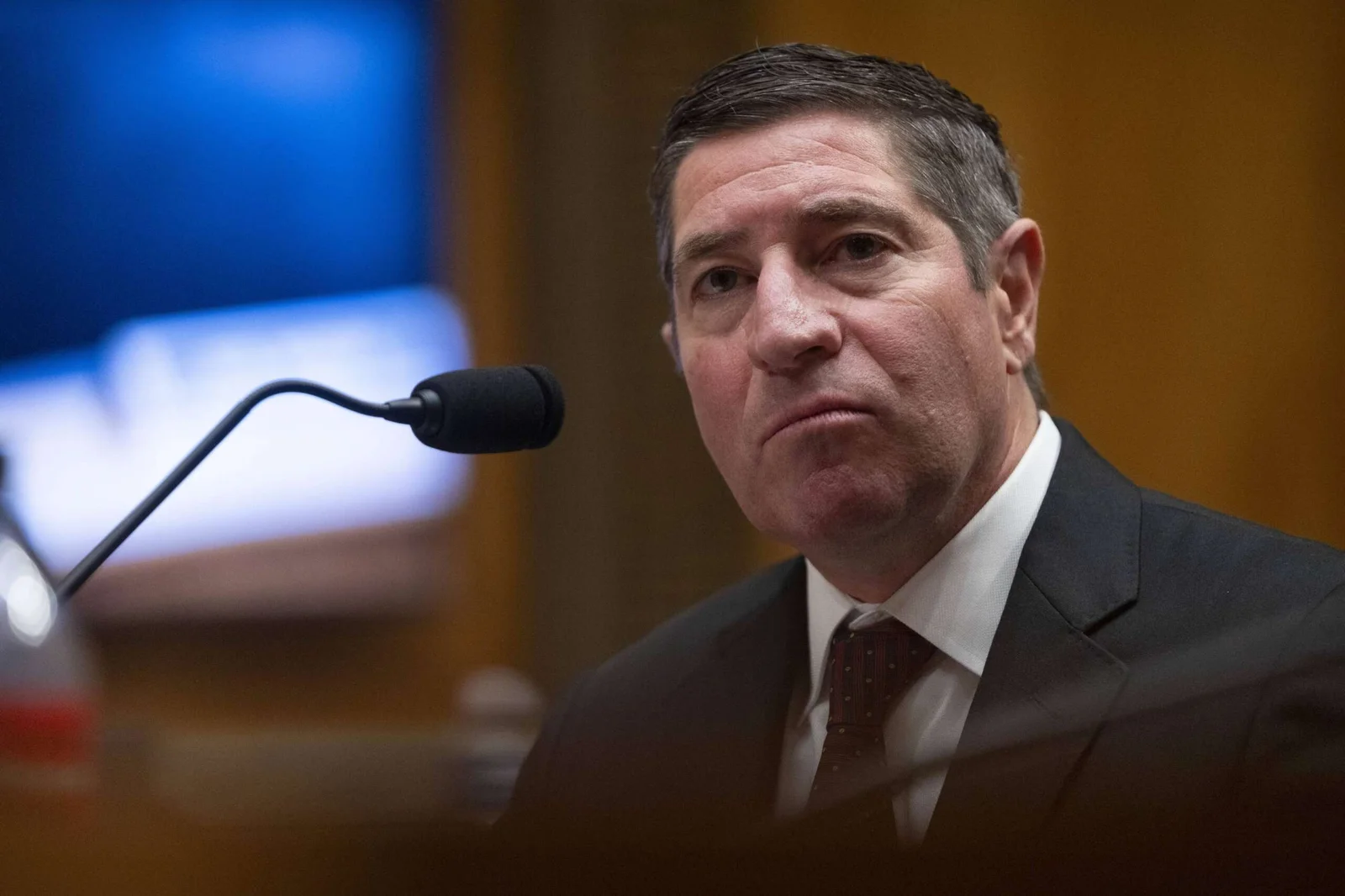
OPM Director Scott Kupor told lawmakers he would be “perfectly happy” to hire more federal employees if agencies cut the use of contractors, arguing the current contractor workforce acts as a costly “shadow” and that shifting dollars to federal headcount could save taxpayers and improve services. Agencies are being asked to publish annual staffing plans balancing contractor and federal staff needs, while continuing to fill key talent gaps and expand early-career recruitment via initiatives like Tech Force; Kupor also signaled support for a stronger performance-management system to speed up removals of underperformers.
A year after purging hundreds of federal employees, the Trump administration is ramping up federal hiring under new rules intended to give the White House greater sway over the roughly 2-million-person civilian workforce, signaling a new phase in reshaping the federal bureaucracy.
OPM proposes changing federal RIF rules to prioritize performance over tenure, creating a 'retention register' that rewards high performers (and adds veterans’ preference points) while tie-breaks favor longer service; temporary and time-limited staff would be exempt from RIFs. If finalized, the shakeup would streamline layoffs but critics say it risks arbitrary, politically motivated firings and further politicizing the civil service as the administration pushes broader personnel changes.