
Federal Judge Halts ICE Voter-Fraud Probes in Nine Battleground States
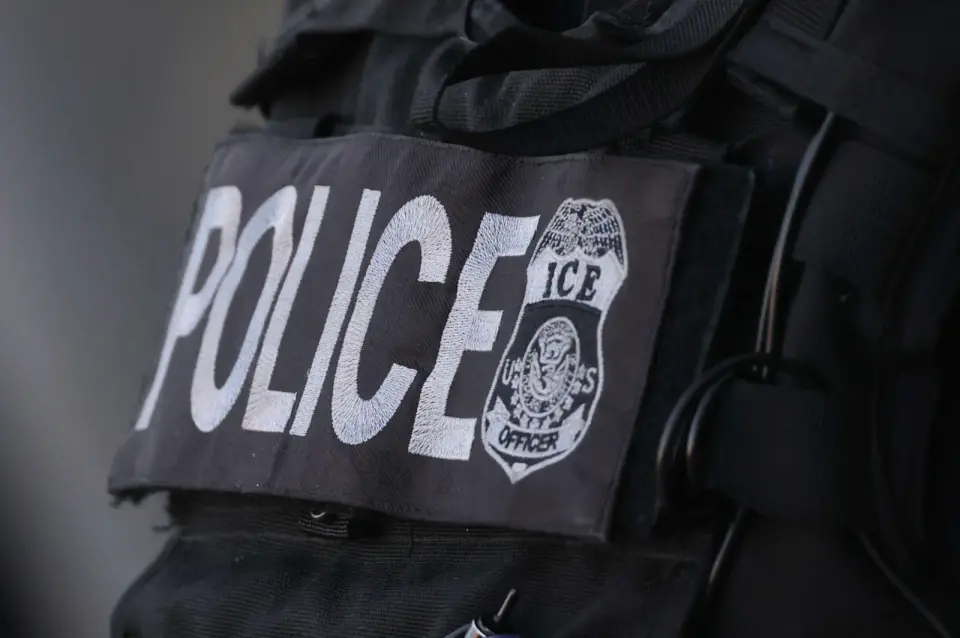
A federal judge in California has blocked the Department of Homeland Security from conducting door-to-door voter verification operations in nine key states ahead of the November 3 midterms. The ruling, issued by Judge Araceli Martínez-Olguín, cites the Voting Rights Act and deems the administration’s data 'voluminous and unreliable.' While the Trump administration claims it is targeting non-citizen voting, critics argue the initiative intimidates Latino voters and relies on flawed records that have previously misidentified U.S. citizens. The order halts operations in California, Georgia, and other swing states where races are tight, though the government has appealed the decision.
Key points
- Judge Martínez-Olguín ordered DHS to halt 'elections-related field operations' in California, Wisconsin, New York, Missouri, Connecticut, Nevada, Georgia, Pennsylvania, and Washington.
- The ruling found that DHS used 'questionable' commercial data to create target lists, with a high likelihood of misidentifying U.S. citizens as non-citizens.
- The Justice Department charged 28 individuals in California with election crimes, using voter records subpoenaed from San Diego and Imperial counties.
- The administration sued California to force the state to set aside 20,000 mail-in ballots, a move local officials rejected as based on faulty data.
- Early voting has surged, with 21 million ballots cast as of October 23, despite the federal enforcement push.
Background
This legal battle follows a broader trend of federal courts rejecting the Trump administration’s attempts to access state voter rolls, as noted in our September 2026 coverage of appeals court rulings against ICE detention policies. The current dispute intensifies a political rift highlighted in our October 2026 analysis, where aggressive immigration enforcement is fracturing the Republican coalition among Latino voters in key swing states like Texas and Florida. Earlier polls indicated that 69% of Latino voters disapproved of the administration’s immigration approach, a sentiment that may influence the upcoming midterms.
How outlets are covering it
Truthout emphasizes the intentional nature of the 'Unlawful Voter Initiative,' arguing it is designed to intimidate Latino voters and suppress turnout in states where Republicans face headwinds, such as Georgia and California. The outlet highlights the role of Heather Honey, a 2020 election denier, in shaping DHS strategy. Axios focuses on the legal mechanics, noting that Judge Martínez-Olguín found 'substantial evidence' of intimidation but also reporting the administration’s defense that it is 'laser focused' on removing aliens who vote. Axios notes the government’s argument that it used the 'best data available,' despite known inaccuracies. Inewsource provides a granular look at the operational failures, detailing how HSI agents were pressured to complete reviews in 12 minutes and how the data lists included individuals with canceled registrations. Inewsource also highlights the specific legal battle over 20,000 mail-in ballots in California, which local officials are fighting to dismiss. While all three sources agree the data is flawed, Truthout frames it as a political weapon, Axios as a legal dispute over data accuracy, and Inewsource as a procedural failure in federal enforcement.
Why it matters
The ruling directly impacts the integrity of the 2026 midterms by preventing federal agents from potentially discouraging eligible voters in nine critical states. It sets a precedent that the federal government cannot use unreliable data to interfere with state-run elections, a principle reinforced by previous court dismissals of voter roll demands. The outcome may influence the final vote counts in tight races, such as the Senate contest in Georgia, and could determine whether the administration’s broader strategy to challenge election results gains legal traction or is further curtailed by the judiciary.
What to watch
The government has until Friday to appeal the ruling, which will take effect after business hours if the appeal fails. The Justice Department’s lawsuit against California to set aside 20,000 ballots is also pending, with local officials moving to dismiss it. Activists in Arizona and other states are training 'constitutional defenders' to respond to any potential ICE presence at polling places on November 3. The administration may continue to pursue criminal charges against individuals identified in its flawed lists, despite the court’s findings regarding data reliability.
- Courts Reject Trump’s Attempt at Deploying ICE to Intimidate Voters Truthout
- Judge curbs Trump administration's noncitizen voting probes Axios
- DOJ monitoring plans and DHS voter checks raise concerns of election interference PBS
- How the DHS voter-fraud probe reached San Diego’s registrar and got reined in by a judge inewsource
- Harris County Democrats raise voter intimidation concerns after federal agents question residents in 9 states KHOU
Want the full story? Read the original reporting
Read on Truthout