
21 States Sue to Block Trump Administration’s Rollback of Endangered Species Act
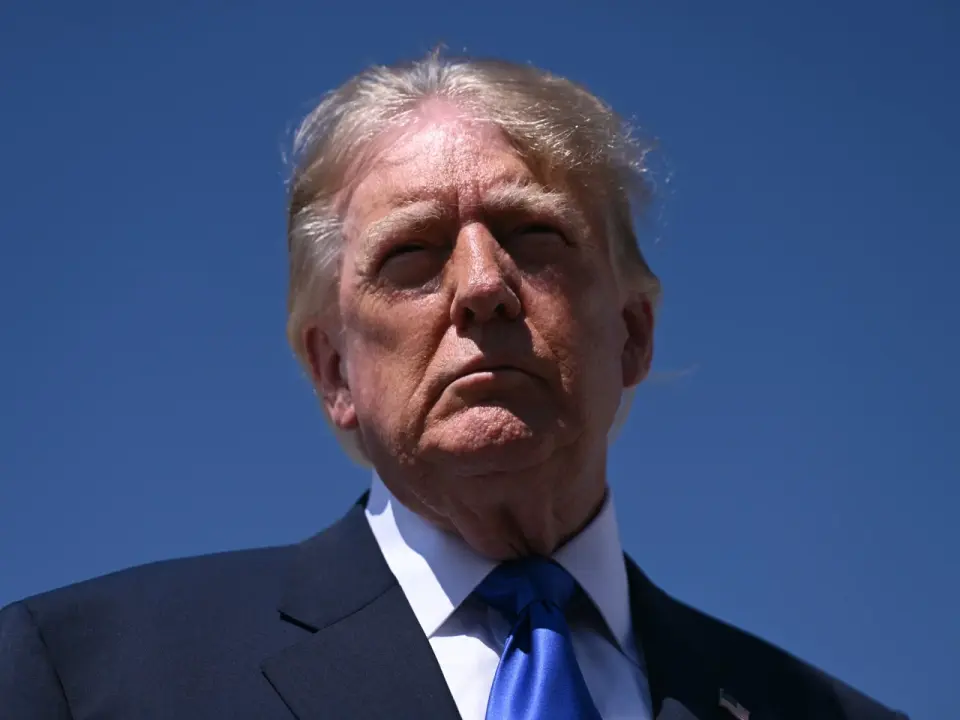
Twenty-one Democratic-led states and Washington, D.C., have filed two lawsuits against the Trump administration, alleging that new federal rules illegally weaken the 1973 Endangered Species Act. The suits challenge changes that narrow the definition of 'harm' to exclude habitat degradation and remove automatic protections for newly threatened species. While the administration argues these moves correct 'regulatory overreach' and prioritize economic growth, the states contend the changes violate the law's intent and threaten species like orcas and salmon.
Key points
- Attorneys general from 20 states and D.C. filed two lawsuits in federal courts in San Francisco on September 9, 2026.
- The first suit challenges a rule narrowing 'harm' to exclude habitat modification, allowing activities like mining and drilling unless directly targeting animals.
- The second suit opposes rules that eliminate broad protections for newly threatened species and require consideration of private economic objections before designating 'critical habitats.'
- The Trump administration argues the changes align with the law's plain text and correct decades of 'regulatory overreach' by advocacy groups.
- Critics note the Endangered Species Act has helped save 99% of protected species, including condors and grizzly bears, while the administration prioritizes economic development.
Background
This litigation follows a series of recent executive actions by the Trump administration to reduce environmental regulations. In early September 2026, the president signed orders directing the Interior Department to review delisting gray wolves and ease hunting restrictions, citing recovery of the species. These moves align with a broader campaign promise to reduce regulatory burdens on businesses, including clean energy and climate change standards. The current lawsuits represent a significant escalation in legal challenges against the administration's environmental policies, following earlier disputes over wolf protections and other conservation measures.
How outlets are covering it
The Democratic-led states, led by Washington Attorney General Nick Brown, argue that the new rules constitute a 'reversal of staggering proportions' that undermines the will of Congress and the public. They emphasize that habitat loss is the primary cause of extinction and that the Endangered Species Act has successfully saved 99% of protected species. Conversely, the Trump administration, through Interior Secretary Doug Burgum, characterizes the previous interpretations as 'weaponized' regulatory overreach that hindered economic competitiveness and national security. The administration maintains that federal agencies must implement the law as written, without expanding its reach through interpretations favored by advocacy organizations. Environmental groups have also joined the legal challenge, supporting the states' position that the changes leave species with fewer safeguards than Congress intended.
Why it matters
The outcome of these lawsuits could fundamentally alter the legal framework for protecting endangered species and their habitats across the United States. If the courts uphold the new rules, activities such as mining and oil drilling in sensitive areas may proceed with fewer restrictions, potentially accelerating habitat destruction. This could have long-term consequences for species like the Southern Resident orcas, whose population has declined from 98 to 74 since 1995, and other vulnerable wildlife. The case also sets a precedent for how federal agencies interpret environmental laws in the face of economic priorities, influencing future policy decisions and conservation efforts nationwide.
What to watch
The lawsuits are currently pending in federal courts in the San Francisco area. The administration has stated it will 'vigorously defend' its authority to implement the Endangered Species Act according to its plain text. Environmental groups are also involved in the legal proceedings, and the outcome may depend on how courts interpret the scope of 'harm' and 'critical habitat' under the law. Further developments may include additional legal challenges or policy adjustments if the courts rule against the new rules.
- US states sue Trump over weakening of endangered species protections Al Jazeera
- US states sue Trump administration for weakening endangered species protections CNN
- States File 2 Lawsuits Over Trump’s Cuts to Endangered Species Act The New York Times
- Hawaii joins 19 states suing Trump over endangered species rules Honolulu Star-Advertiser
- Washington AG leads lawsuits to block federally-weakened Endangered Species Act rules KOMO
Want the full story? Read the original reporting
Read on Al Jazeera