
Federal Judge Halts Trump-Era Farmworker Wage Cuts, Orders Labor Dept to Fix Rates
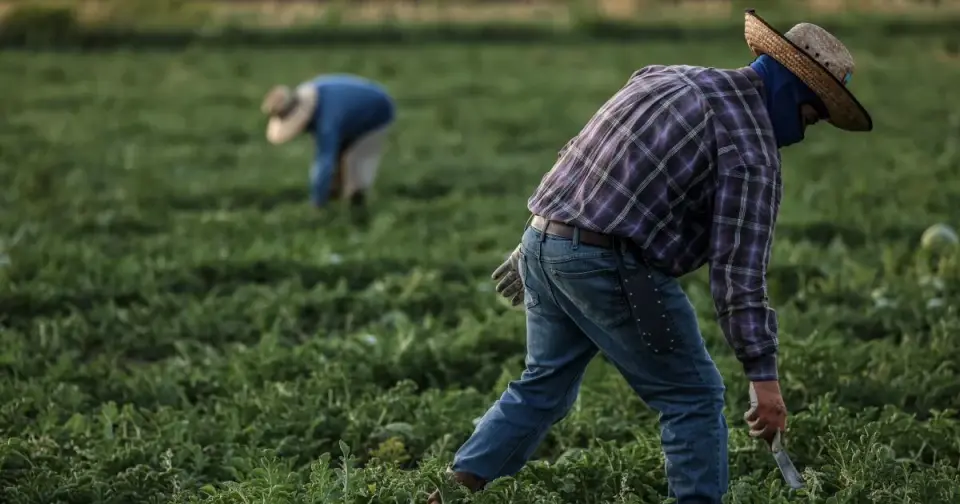
A California federal judge ruled the Trump administration’s recent reduction in wages for H-2A seasonal farmworkers unlawful, finding that the Labor Department failed to properly assess the impact on U.S. workers. While the judge allowed the current low rates to remain temporarily, he ordered the agency to quickly develop a new, legal wage formula and warned employers that back pay may be owed to both foreign and domestic workers. The ruling reverses a policy that cut California hourly wages by 15% and saved employers billions, marking a significant victory for farmworker advocates who argued the cuts unfairly transferred wealth from workers to employers.
Key points
- U.S. District Judge Kirk E. Sherriff ruled the Labor Department’s wage-cutting rule for H-2A workers unlawful because it did not adequately consider its adverse effect on U.S. farmworker wages.
- The judge allowed the current rule to remain in effect temporarily but ordered the Labor Department to promptly produce a new wage methodology consistent with the ruling.
- Employers were warned that they may owe back pay to both H-2A guestworkers and U.S. farmworkers if the new legal rates exceed the amounts previously paid.
- The contested rule, which took effect on Oct. 2, 2025, reduced wages for H-2A workers by between $3 and $7 per hour, with California wages dropping from $19.97 to $16.90 per hour.
- The Department of Labor had estimated the rule would save employers $2.46 billion annually, a figure the plaintiffs described as a transfer of wealth from workers to employers.
- The lawsuit was filed by the United Farm Workers of America, the UFW Foundation, and more than a dozen individual farmworkers from states including California, Michigan, and Texas.
Background
This ruling follows a pattern of federal court reversals of Trump-era immigration and labor policies, including a recent decision striking down a visa suspension affecting 75 countries. In 2020, a similar attempt by the administration to lower H-2A wages was blocked by a lawsuit from the United Farm Workers. The current case highlights ongoing tensions between agricultural labor needs and worker protections, with advocates arguing that lower wages for guestworkers create downward pressure on the pay of local workers performing similar jobs.
Why it matters
The decision protects the livelihoods of thousands of farmworkers across the U.S. by invalidating a policy that significantly reduced their earnings. It establishes a legal precedent that the Labor Department must rigorously evaluate the impact of wage changes on domestic workers, not just foreign guestworkers. Furthermore, the potential requirement for back pay could result in substantial financial liability for agricultural employers, while the order to create a new wage formula ensures that future pay rates will be legally compliant, stabilizing the labor market for the agricultural sector.
What to watch
The Labor Department must now develop a new, lawful methodology for calculating H-2A wage rates. Once these new rates are established, employers may be required to pay back wages to workers who were paid under the previously invalidated, lower rates. The Department of Justice has not yet indicated whether the administration plans to appeal the ruling, but the immediate focus is on the rapid implementation of the new wage structure to prevent further wage suppression.
Want the full story? Read the original reporting
Read on Los Angeles Times