
DOJ Demands California Verify Voter Citizenship in 48 Hours or Face Lawsuit
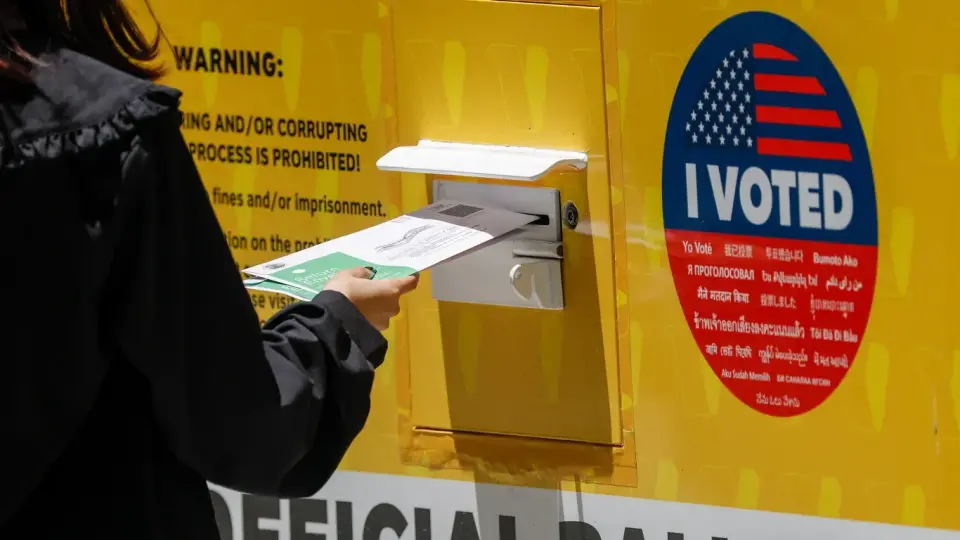
The U.S. Department of Justice has issued a 48-hour ultimatum to California election officials, demanding they verify the citizenship of voters flagged as potential noncitizens or face emergency legal action. Acting Deputy Attorney General R. Trent McCotter sent letters to state and local leaders, providing a password-protected list of names and threatening to segregate or withhold mail ballots if citizenship cannot be confirmed. This move escalates federal pressure ahead of the November 3 midterms, despite concerns that similar lists in other states have proven highly inaccurate. Legal experts argue the demand violates the National Voter Registration Act’s 90-day pre-election freeze and risks disenfranchising eligible voters during a critical period when ballots are already being processed.
Key points
- Acting Deputy Attorney General R. Trent McCotter sent a letter to Los Angeles County Registrar-Recorder Dean Logan and California Secretary of State Shirley Weber, demanding verification of citizenship for individuals on a provided list by noon on October 15.
- The DOJ requested that officials 'segregate—not cancel' ballots from those whose citizenship cannot be confirmed and suspend signature verification or counting of any returned ballots.
- McCotter warned that if the process is not implemented by the deadline, the United States will 'seek emergency relief' in court.
- California Secretary of State Shirley Weber stated that the DOJ's efforts to access protected voter data serve only to cause chaos and fuel public distrust, noting that California has robust state laws ensuring only U.S. citizens can register to vote.
- Los Angeles County Registrar Dean Logan confirmed receiving the letter but stated that his office has not accessed the USB drive containing the list due to data privacy and information security protocols.
- The DOJ has lost 26 of 31 lawsuits filed to force states to hand over unredacted voter roll data, and has not achieved a legal victory in these cases so far.
Background
This action is part of a broader Trump administration push to uncover suspected noncitizen voters, which has faced significant legal and factual challenges. In July, Homeland Security Secretary Markwayne Mullin alleged that more than 190,000 voters were erroneously registered in California, a claim state officials disputed. The administration has also faced court losses in its efforts to audit state voter records, including a Supreme Court win in late September that allowed states to use the SAVE system for voter verification, but a federal judge blocked the use of a revamped version of SAVE, citing privacy concerns. Additionally, the DOJ's Civil Rights Division has sued 30 states demanding unredacted voter roll data, but has lost every case where a judge has ruled so far. The administration's sweeping claims of mass illegal registrations have quickly deflated after inspection, with numbers in states like Nevada and New Jersey dropping significantly upon review.
How outlets are covering it
The DOJ, represented by Acting Deputy Attorney General R. Trent McCotter, asserts that federal law is clear: only American citizens may vote in federal elections, and the department is asking California to ensure that noncitizens are not voting. A DOJ spokesperson stated that the department will take all necessary legal action to protect election integrity. In contrast, California Secretary of State Shirley Weber criticized the DOJ's 'relentless efforts to unlawfully gain access to states' protected voter data and purge voter rolls,' arguing that these actions serve only to cause chaos and fuel public distrust. Weber emphasized that California has robust state law requirements ensuring only U.S. citizens can register to vote. Los Angeles County Registrar Dean Logan highlighted concerns about data privacy and information security, stating that his office has not accessed the USB drive provided by the DOJ. David Becker, executive director of the nonpartisan Center for Election Innovation & Research, questioned why the Justice Department would violate its own rules about investigating elections so close to Election Day, particularly when their past claims have been full of errors. CNN noted that the administration's claims of widespread voter fraud have been baseless, and that the incidents of voter fraud are minimal and have not been numerous enough to impact the outcome of an election. CBS News reported that the DOJ has lost 26 of 31 lawsuits filed to force states to hand over unredacted voter roll data, and has not achieved a legal victory in these cases so far. Fox News reported that the DOJ sent a letter to California Secretary of State Shirley Weber informing her that federal officials provided Los Angeles County election officials with a list of names of individuals who authorities believe to be noncitizens, and that the deadline for verification will expire later on Thursday.
Why it matters
The DOJ's 48-hour ultimatum to California highlights the escalating tensions between the federal government and state election officials ahead of the November 3 midterms. The demand to verify citizenship and segregate ballots could delay ballots from eligible Californians mistakenly flagged as noncitizens and set up a court fight just three weeks before Election Day. This move is part of a broader federal push to uncover suspected noncitizen voters, which has faced significant legal and factual challenges, including court losses and deflated claims of mass illegal registrations. The action raises concerns about the legality of such demands so close to Election Day and the potential impact on voter access and election integrity.
What to watch
The next steps will likely involve a legal battle between the DOJ and California election officials, as the DOJ has threatened to seek emergency relief if the 48-hour deadline is not met. California officials are expected to resist the DOJ's demands, citing state laws and data privacy concerns. The outcome of this confrontation could set a precedent for how federal and state governments interact on election integrity issues in the future. Additionally, the DOJ may continue to pursue legal action against other states that have refused to hand over unredacted voter roll data, and the administration may face further scrutiny over the accuracy of its claims regarding noncitizen voters.
- DOJ gave California a voter list, a 48-hour deadline — and a threat of court action Axios
- DOJ gives California 48 hours to review list of possible noncitizens on voter rolls Fox News
- EXCLUSIVE: US Justice Department threatens California over alleged noncitizen voters, letters show Reuters
- Trump administration escalates voter roll fight with threats against California election officials CNN
- Top U.S. DOJ official orders California to review list of possible noncitizens who received mail ballots CBS News
Want the full story? Read the original reporting
Read on Axios