
Guilfoyle’s Dismissal Highlights Broader Crisis in Trump’s Loyalist Diplomatic Corps
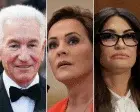
Kimberly Guilfoyle resigned as US ambassador to Greece on October 13, 2026, after the White House requested her departure amid allegations of corruption, including soliciting $100,000 from a donor to cover personal debt. This incident underscores a wider pattern of controversy surrounding Trump’s appointments of loyalists to diplomatic roles, with multiple ambassadors facing scandals or resistance from host nations. Secretary of State Marco Rubio subsequently reminded all diplomats to avoid conflicts of interest, while over half of the 196 ambassadorial positions remain unfilled.
Key points
- Guilfoyle was asked to resign by the White House on October 13, 2026, following reports that she sought $100,000 from a donor to pay her American Express bill in exchange for political access.
- The new press secretary, Katie Zacharia, announced Guilfoyle’s departure during her first media briefing, describing her as a 'wonderful asset' while confirming the request for resignation.
- Guilfoyle denied the allegations, calling them false, and vowed to defend her reputation, though reports suggest she was 'spiraling' and briefly considered retracting her resignation.
- Other Trump-appointed ambassadors have faced significant issues: Charles Kushner was banned from a meeting in France; Bill White clashed with Belgium’s foreign minister; and Pete Hoekstra faced a Canadian petition for his expulsion.
- Secretary of State Marco Rubio sent a memo to State Department employees on October 14, 2026, reminding them to 'avoid conflicts of interest' in response to the Guilfoyle scandal.
- As of October 2026, only 92 of 196 ambassadorial roles are filled, with critical posts in Cuba and Ukraine remaining vacant.
Background
This follows earlier coverage of the Trump administration’s sharp criticism of a legal complaint against the Lebanese ambassador, highlighting ongoing tensions in US diplomatic appointments. The Guilfoyle dismissal is the latest in a series of controversies involving Trump’s choice of loyalists over experienced diplomats, a trend noted in previous reports on the administration’s foreign policy appointments.
How outlets are covering it
The Guardian provides a comprehensive overview of multiple controversial appointments, including Guilfoyle, Charles Kushner, and Kari Lake, emphasizing the pattern of appointing loyalists regardless of diplomatic implications. The New York Times focuses on Guilfoyle’s personal fall from grace, detailing her relationship with Donald Trump Jr. and her emotional reaction to the dismissal. The New Republic highlights the internal chaos, noting that Guilfoyle was 'spiraling' and potentially building a 'burn book' of Trump family secrets. The Washington Post emphasizes the institutional response, noting Rubio’s memo to diplomats to avoid conflicts of interest. While all sources agree on the facts of Guilfoyle’s resignation, they differ in emphasis: The Guardian and Washington Post focus on the systemic issues, while The New York Times and New Republic focus on the personal and internal dynamics.
Why it matters
The dismissal of Guilfoyle and the broader pattern of controversial appointments raise concerns about the professionalism and effectiveness of US diplomacy. The high number of unfilled ambassadorial positions, including in critical regions like Cuba and Ukraine, could undermine US foreign policy objectives. The ethical violations and conflicts of interest highlighted by these appointments may damage US relationships with host nations and erode trust in the State Department.
What to watch
The State Department will likely continue to face scrutiny over its appointments and ethical standards. Rubio’s memo may lead to increased oversight of diplomats’ conduct. The administration may face pressure to fill the remaining 104 ambassadorial positions, particularly in critical regions. Guilfoyle may attempt to defend her reputation or leverage her position, as suggested by reports of her 'burn book.'
- Trump’s ambassadors: the loyalists and allies at the center of controversy The Guardian
- ‘Honey Please’: The Steep Rise and Sudden Fall of Kimberly Guilfoyle. The New York Times
- Kimberly Guilfoyle Lost Her Mind After Trump Publicly Humilated Her The New Republic
- After Guilfoyle dismissal, Rubio reminds diplomats to ‘avoid conflicts of interest’ The Washington Post
- Kimberly Guilfoyle Reportedly Has Surprising Plans After Embassy Exit — Source Yahoo
Want the full story? Read the original reporting
Read on The Guardian