
Mississippi Senate race hinges on 230,000 inactive voters and affidavit ballot counts
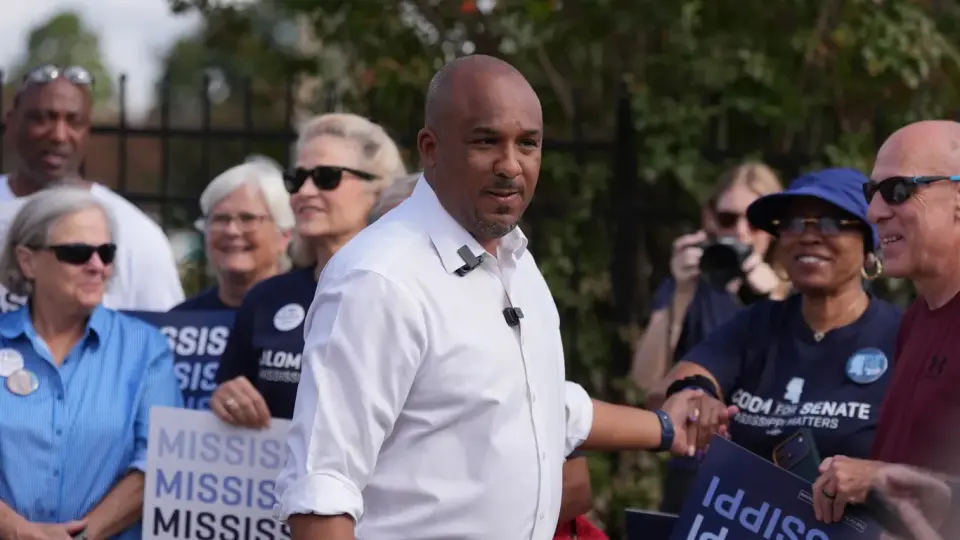
The 2026 Mississippi U.S. Senate race between Democrat Scott Colom and Republican Cindy Hyde-Smith remains undecided due to a razor-thin margin and a surge in inactive voter registrations. Over 230,000 voters were marked inactive, forcing them to cast affidavit ballots that are now being reviewed. This delay stems from the state’s use of Experian data for voter roll maintenance, which critics argue caused erroneous inactivations. The final outcome depends on the certification of these provisional votes by November 13.
Key points
- Colom leads Hyde-Smith by approximately 2,000 votes, with the margin potentially decided by a few hundred affidavit ballots.
- Mississippi’s inactive voter count rose to 230,000, up from 166,000 in 2024, following a $50,000 contract with Experian.
- Inactive voters must cast affidavit ballots, which are reviewed post-election to verify eligibility and address discrepancies.
- DeSoto County saw the largest spike in inactivations, with over 15,000 voters removed from active rolls in months.
- The Secretary of State’s office replaced Experian with IDI Data and USPS records after the primaries but before the midterms.
Background
Mississippi’s Senate race is the last major undecided contest in the 2026 midterms. Previous coverage noted that the outcome could result in the first Black senator from Mississippi since Reconstruction and the first Democrat from the state in over 40 years. The race has faced logistical challenges, including a voter information site failure in Hinds County on Election Day and intense legal scrutiny over the counting of provisional and mail-in ballots.
How outlets are covering it
Axios and Mississippi Today highlight the correlation between the Experian contract and the surge in inactive voters, with Mississippi Today noting that inactivations doubled in some counties like DeSoto. Voting rights advocates, including the ACLU and Fair Fight Action, argue that the data caused unnecessary burdens and potential disenfranchisement. Conversely, Secretary of State Michael Watson defends the process, stating that affidavit ballots are a safeguard for election integrity and that the data was used to clean rolls. WDAM-TV reports on voter frustration at polling places but notes Watson’s assertion that the system catches errors. Democracy Docket focuses on the procedural deadlines for curing ballots, noting that most affidavit ballots are being counted without additional voter steps, though some voters faced issues with precinct changes.
Why it matters
The outcome of this race determines the final balance of power in the U.S. Senate and represents a historic shift for Mississippi. The controversy over voter roll maintenance raises broader questions about the reliability of third-party data in election administration and the potential for disenfranchisement in close elections.
What to watch
Counties must certify election results by November 13. Voters who cast affidavit ballots have until November 10 to cure any deficiencies by presenting photo ID. Both campaigns are monitoring the certification process, with legal teams prepared to challenge any discrepancies in the counting of provisional and mail-in ballots.
- Colom's razor-thin Senate race puts Mississippi's voter rolls in the spotlight Axios
- Some Mississippi voters need their ballots ‘cured.’ Here’s how the process works Democracy Docket
- Inactive voter surge raises Experian concerns for 2026 midterms Mississippi Today
- Voter inactivations cause holdup at polls across the state WDAM-TV
- Voter roll updates could mean more affidavit ballots cast WLOX
Want the full story? Read the original reporting
Read on Axios