
Trump’s Netanyahu Endorsement Fails to Bridge White House Rifts or Poll Deficits
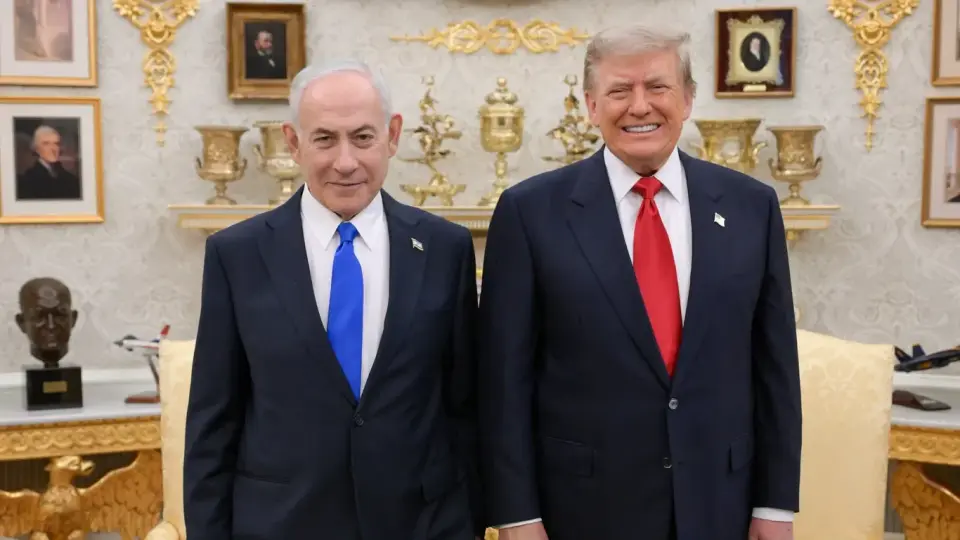
President Trump endorsed Benjamin Netanyahu for the October 27 Israeli election, but internal White House divisions and poor polling suggest the move may not secure a governing majority. Vice President JD Vance refused to follow suit, citing a focus on US midterms, while senior advisers remain frustrated with Netanyahu’s handling of regional crises. Polls show Netanyahu’s coalition falling short of the 61 seats needed to govern, raising the prospect of a political deadlock or a second election.
Key points
- Trump endorsed Netanyahu on Sunday, calling him a 'Great Warrior' and warning that the US would handle Iran alone if a rival takes power, a move opposed by many of his closest advisers.
- Vice President JD Vance declined to endorse Netanyahu, stating he is focused on US midterm elections and has grown disillusioned with Netanyahu’s pre-war assessments regarding Iran.
- Senior White House officials, including envoys Steve Witkoff, Jared Kushner, and Tom Barrack, have expressed frustration with Netanyahu’s reluctance to advance the Gaza peace plan and his approach to Syria and Lebanon.
- Pre-election polls from major Israeli networks project Netanyahu’s bloc will win only 48 to 50 seats in the 120-seat Knesset, falling 11 to 13 seats short of the 61 needed to form a government.
- A political deadlock is likely, as opposition leader Gadi Eisenkot has ruled out forming a coalition with Arab Israeli parties, and a unity government is considered highly unlikely, potentially leading to a second election.
Background
This election follows three years since the October 7, 2023, Hamas attack, with Israeli voters deeply divided over Netanyahu’s accountability for the security failure and his subsequent military strategy. The vote is also seen as a referendum on the US-led war with Iran, which has strained relations between Washington and Jerusalem. Previous coverage noted that Trump’s endorsement came after months of public silence and tensions over the Gaza peace plan and regional military operations.
How outlets are covering it
Axios reports that while Trump views Netanyahu as the 'devil he knows,' many of his advisers, including Vance, believe a new Israeli government without Netanyahu’s far-right coalition partners would be easier to work with on regional priorities. The Daily Beast highlights the stark contrast between Trump’s enthusiastic endorsement and Vance’s refusal, noting that Vance’s anti-interventionist stance conflicts with the war with Iran, which has contributed to Trump’s plummeting approval ratings in the US. Politico emphasizes that despite Trump’s support, recent polls indicate Netanyahu’s coalition is significantly short of a majority, suggesting that the endorsement may not be enough to secure a governing coalition.
Why it matters
The outcome of the Israeli election will determine whether Trump can pursue his broader Middle East agenda, including the Gaza peace plan and a potential Israeli-Saudi peace agreement. A weakened Netanyahu or a political deadlock could delay these diplomatic efforts and complicate US-Iran relations, while a new government might offer a more cooperative partner for Washington’s regional goals.
What to watch
Israelis will vote on October 27. If neither Netanyahu nor his rival Gadi Eisenkot can secure a majority, Israel may face a second election, with Netanyahu remaining in power as caretaker prime minister. Trump will then decide whether to join Netanyahu in another major military operation against Iran or pursue diplomatic initiatives, depending on the political landscape in Israel.
- As Israeli election looms, Trump advisers see opportunity beyond Netanyahu Axios
- Is There an Effective ‘America First’ Position on Israel? Tablet Magazine
- Vance Blows Open Split as Trump’s Approval Plummets The Daily Beast
- Israel’s election is yet another test for Trump’s endorsement MS NOW
- Trump throws Netanyahu a last-minute lifeline. It may not be enough. Politico
Want the full story? Read the original reporting
Read on Axios