
U.S. License Plate Camera Backlash Escalates Into Physical Sabotage
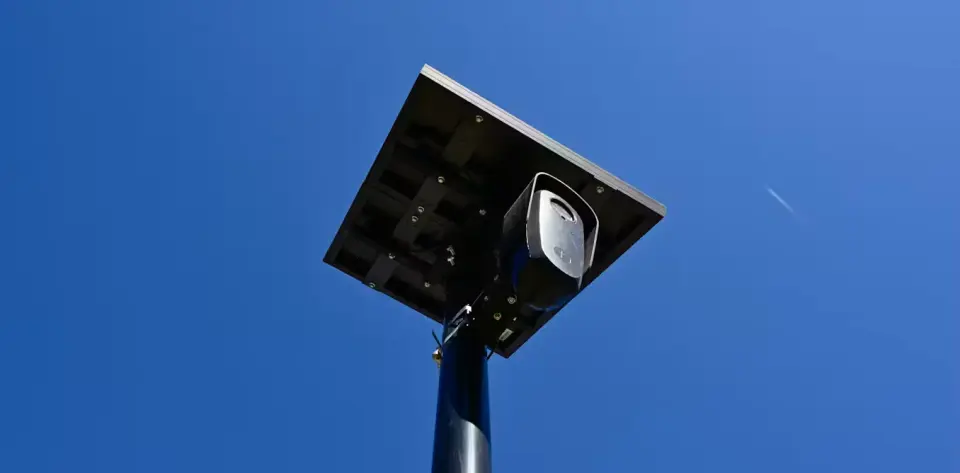
A bipartisan movement against automated license plate readers (ALPRs) has intensified across the United States, moving from legal challenges to physical destruction of camera equipment. With over 130,000 ALPRs deployed, primarily by manufacturer Flock Safety, public anger is fueled by documented cases of police misuse, including stalking and illegal data sharing. While Flock argues the technology aids crime prevention, critics view the surveillance as an unconstitutional overreach, drawing historical parallels to the American Revolution.
Key points
- More than 130,000 ALPRs are currently active on U.S. streets, with over 5,000 law enforcement agencies using systems from Flock Safety.
- In at least 36 states, opponents have physically destroyed or impaired ALPR equipment in response to perceived government inaction.
- High-profile cases of misuse include a Kansas officer sentenced to probation for stalking his ex-wife and a Florida officer arrested for using data to harass a woman.
- Florida’s Department of Transportation revoked permits for ALPRs on its highway system in September 2026, following broader public outcry.
- Flock Safety CEO Garett Langley has defended the technology by comparing it to seat belts, arguing that privacy concerns should not override public safety.
Background
Previous coverage in August 2026 noted that activists were challenging Flock’s contracts due to privacy concerns, while the company highlighted that its systems supported approximately 1 million investigations and 10,000 missing-person cases the prior year. The current escalation marks a shift from contractual disputes to direct physical confrontation with the infrastructure.
How outlets are covering it
The Conversation frames the current unrest as a modern echo of the 1773 Boston Tea Party, emphasizing the historical parallel between colonial resistance to British surveillance and contemporary opposition to mass data collection. In contrast, Flock Safety’s leadership, as reported in the primary source, adopts a pragmatic, safety-first perspective, arguing that society should accept surveillance as a necessary trade-off for security, similar to the adoption of seat belts. While the primary source highlights the 'rebellious spirit' of the American public, the secondary source (Yahoo) appears to be a technical error page and provides no substantive journalistic content to synthesize, leaving the debate primarily between the historical/critical view and the corporate/safety view.
Why it matters
The shift from legal and political opposition to physical sabotage of surveillance infrastructure signals a deepening crisis in trust between American citizens and law enforcement. This conflict over mass surveillance could lead to new federal or state regulations regarding data retention and access, potentially reshaping the legal landscape for digital privacy and public safety technologies.
What to watch
Lawmakers may face pressure to introduce stricter oversight or bans on ALPRs following the wave of physical destruction. Flock Safety may need to implement more robust misuse-detection protocols or face further contract cancellations. The physical destruction of cameras in 36 states may prompt federal intervention or new local ordinances to protect critical infrastructure.
- How the American revolt against Flock cameras mirrors the Boston Tea Party of 1773 The Conversation
- Fighting Flock: Chicago-area activists push back against Flock camera police surveillance technology, license plate readers ABC7 Chicago
- Flock Safety Cameras Are Just the Scout: Why the Machine Age Demands Immediate Resistance Yahoo
- The fight against license plate readers | Inquirer South Jersey Inquirer.com
- How much safer do Flock cameras make us? : The Indicator from Planet Money NPR
Want the full story? Read the original reporting
Read on The Conversation