politics-society11.845 min read
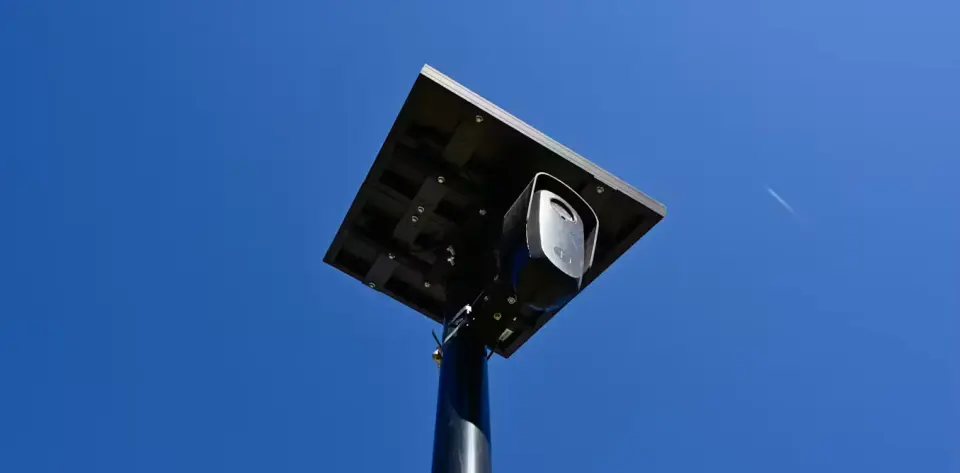
U.S. License Plate Camera Backlash Escalates Into Physical Sabotage
27 days ago•Source: The Conversation

The latest politics society stories, each synthesized from multiple sources with added background and context.

US Air Force Secretary Troy Meink confirmed the deployment of 'on-orbit space control weapons,' marking the first official US admission of such capabilities. While details remain classified, the move validates long-standing accusations by China and Russia and risks destabilizing international norms regarding the militarization of space.
The Conversation•2 months ago
The Conversation•3 months ago

The article argues that allowing bodily surveillance to police children’s bodies in youth sports harms all children, not just transgender athletes. It contends that banning transgender girls from sports normalizes invasive scrutiny, increases harassment, and can undermine development, while LGBTQ+-inclusive, supportive sports environments improve mental health, belonging, and academic outcomes for all students.
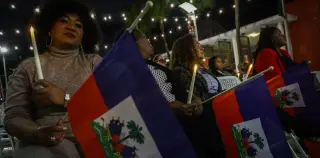
The Supreme Court's ruling to end Haitian TPS for about 350,000 people adds new uncertainty to families in Florida, where Haitian women bear the heaviest burden—balancing work, caregiving, remittances, and child safety—while considering whether returning to Haiti is safe amid violence and disasters; migration-related stress worsens mental and physical health, highlighting women's resilience and leadership in Florida's Haitian communities.

A May 2026 draft memo would end the option to apply for a green card from inside the U.S. (adjustment of status), forcing many applicants to return to their home countries to apply instead. The change could trigger long separations, disruptions to education or work, and uncertain chances of re-entry, affecting hundreds of thousands annually. Legal scholars question the memo’s basis, and critics argue it would chill lawful immigration, while supporters frame it as realigning pathways for temporary visa holders.
A College of Charleston study argues that in Southern states race is a stronger predictor of voting behavior than party and that mapmakers have strong incentives to use racial data to gain partisan advantage, even after the Supreme Court’s Louisiana v. Callais ruling urged race-neutral redistricting. The findings suggest race could continue to shape how districts are drawn, despite claims of colorblind mapmaking, and indicate more litigation as challengers argue race was a predominant factor.
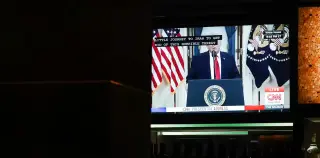
Even as Iran operations reach the 60-day mark, the War Powers Resolution’s clock is largely symbolic: presidents invoke unilateral authority, Congress lacks a viable tool to force withdrawal, and courts have avoided ruling on constitutionality. Past episodes like Kosovo, Libya, and Obama’s actions show unilateral action continuing with weak, politically driven checks rather than a hard legal deadline.

The Supreme Court faces whether states may require cancer warnings on glyphosate-based herbicides like Roundup even though the EPA has not mandated such warnings, a decision with implications for thousands of lawsuits and the balance between state consumer protections and federal preemption under FIFRA.
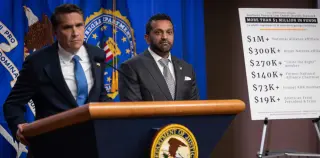
The DOJ indicted the Southern Poverty Law Center for allegedly defrauding donors by secretly paying informants inside white-supremacist groups, a move the article argues breaks norms and may lack clear evidence of criminal wrongdoing, while examining donor accountability and the broader political context of scrutiny toward progressive nonprofits.

The IOC's 2026 policy requires testing for the SRY gene to classify athletes by sex, a move meant to bar transgender athletes from women’s competitions but likely to exclude many intersex women who were assigned female at birth because biological sex is complex and the policy provides no case by case exceptions.
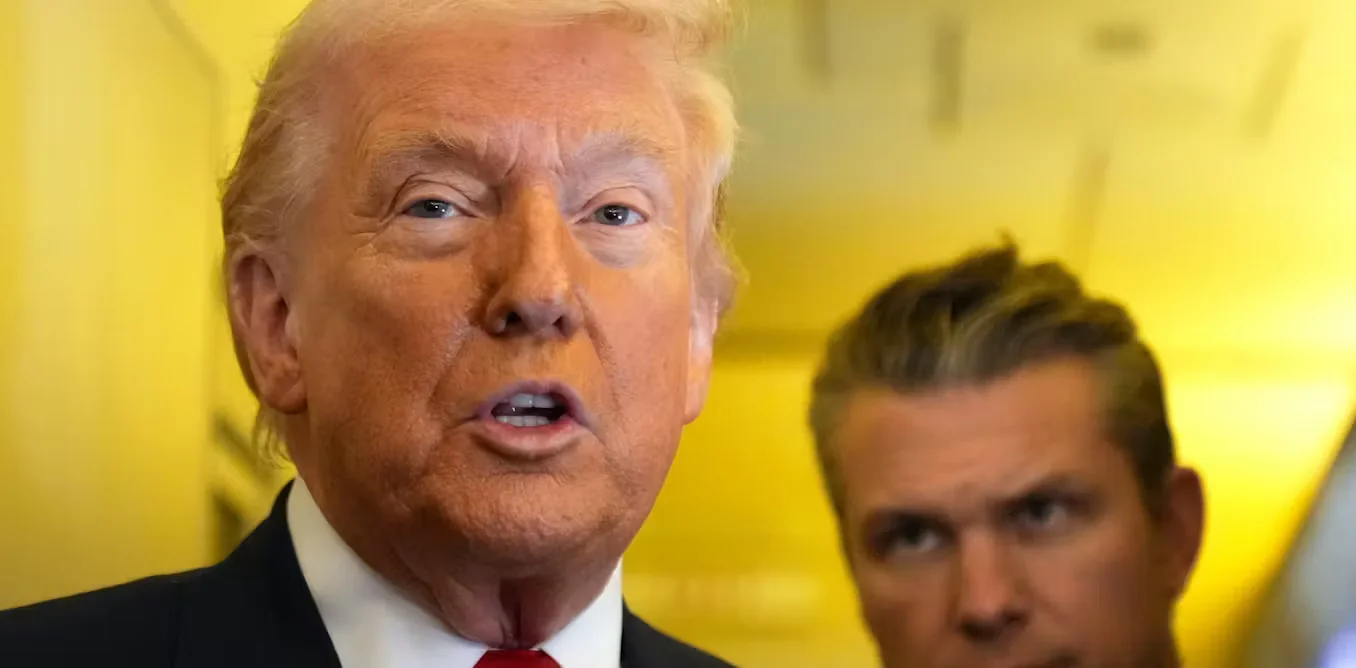
The article argues that Trump entered the Iran conflict with little public backing and now faces mounting domestic opposition, with polls showing a majority against the war and voters wary of rising living costs and oil prices. It notes that the administration struggled to build a convincing public rationale, highlights fractures in conservative support, and suggests the political risks may force an earlier end to the conflict as midterms approach.
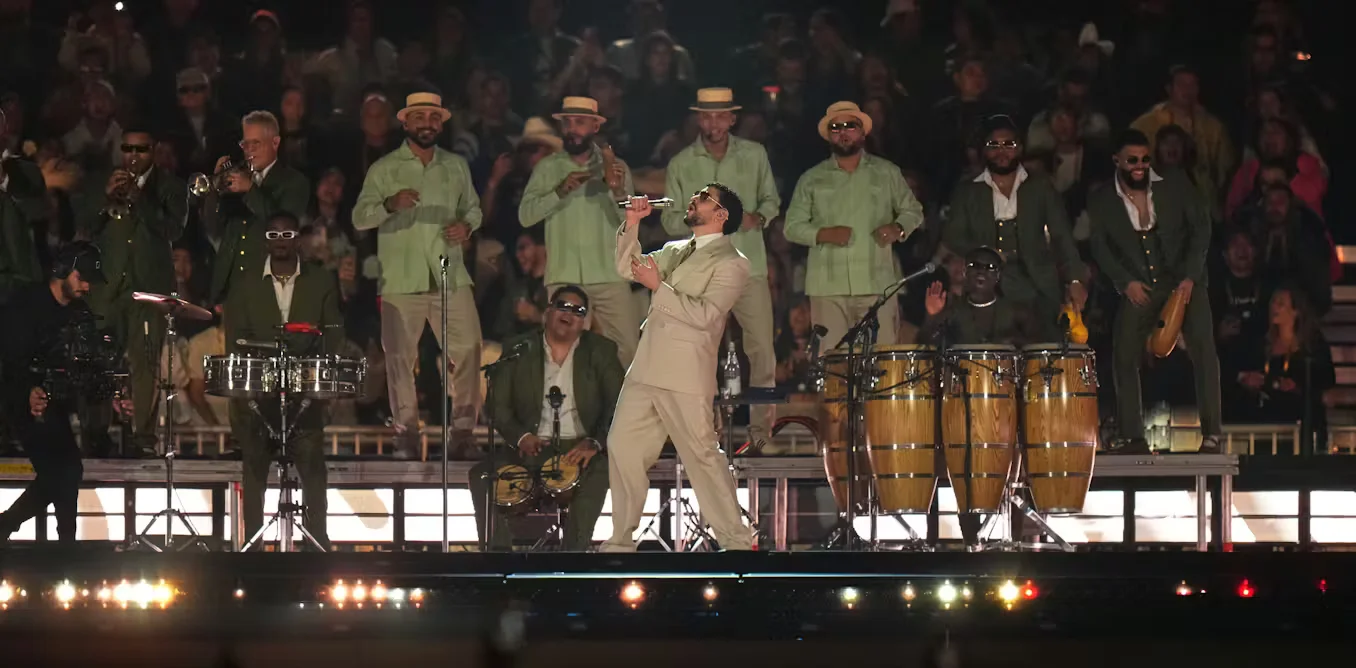
The piece argues that backlash to Bad Bunny’s Super Bowl halftime show illustrates how MAGA politics defines who belongs in America through borders that include race, language and gender—beyond citizenship—while tracing Latino history, Puerto Rico’s status, and ICE-era tensions to show belonging is policed; Bad Bunny’s advocacy for Puerto Rico and LGBTQ+ rights and his global success challenge these gatekeeping norms on a national stage.