
2026 Midterm Landslide Sets Stage for Crowded 2028 Democratic Presidential Race
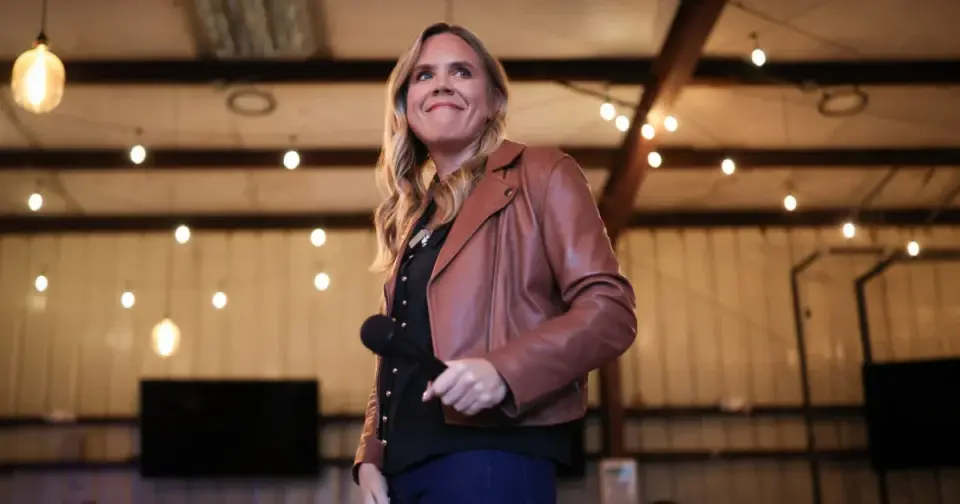
The 2026 midterm elections resulted in a historic Democratic victory, with the party winning statewide offices in five of the six early primary states. This landslide has energized multiple factions within the party, leading to a crowded field of potential candidates for the 2028 presidential nomination. Key figures, including former Vice President Kamala Harris, Rep. Alexandria Ocasio-Cortez, and Gov. Josh Shapiro, are leveraging these wins to build momentum. The results have not resolved internal party divisions but have instead given both moderates and progressives a mandate to pursue the White House.
Key points
- Democrats won statewide offices in South Carolina, Nevada, New Hampshire, New Mexico, and Michigan, marking a significant electoral victory.
- The results validated diverse political strategies, with progressives like Abdul El-Sayed winning in Michigan and moderates like James Talarico succeeding in deep-red states.
- Jim Messina, Barack Obama’s 2012 campaign manager, reported meeting with 29 potential presidential candidates this week, indicating a crowded 2028 field.
- Kamala Harris’s efforts to boost Black voter turnout in the South yielded results, including the historic gubernatorial win by Keisha Lance Bottoms in Georgia.
- Gov. Josh Shapiro’s 22-point reelection victory in Pennsylvania helped Democrats secure a trifecta in the state and four new House seats.
Background
Prior to the 2026 midterms, Democratic strategists expressed anxiety that a victory driven by anti-Trump sentiment might mask a deeper brand crisis, potentially jeopardizing the 2028 presidential race. In September, Kamala Harris faced resistance from several Democratic nominees in the Midwest who declined her campaign support, reflecting intra-party tensions. Recent forecasts indicated a competitive House race and a toss-up in South Carolina, but the actual results exceeded these projections, delivering a broader Democratic sweep.
How outlets are covering it
NBC News emphasizes the strategic advantage of the new Democratic leadership in early primary states, framing them as potential power brokers for 2028. Axios highlights the internal party dynamics, noting that the landslide did not settle the civil war between moderates and progressives but instead gave each faction a reason to claim a mandate. Axios also points out the diversity of successful campaign styles, from progressive Medicare for All platforms to moderate, faith-based appeals, suggesting that the 2028 nominee must appeal to the entire party, not just one wing.
Why it matters
The 2026 midterm results have fundamentally altered the landscape for the 2028 presidential race by providing multiple factions within the Democratic Party with a strong mandate. This has led to a crowded field of potential candidates and increased the likelihood of a contentious primary process. The success of diverse campaign strategies suggests that the 2028 nominee will need to balance progressive and moderate appeals to unify the party and defeat the Republican opposition.
What to watch
The Democratic Party will spend the next year determining which faction holds the true mandate, with the 2028 primary serving as the ultimate test. Potential candidates, including Kamala Harris, Alexandria Ocasio-Cortez, and Josh Shapiro, will continue to build their campaigns, leveraging the 2026 wins to gain momentum. The party will also focus on consolidating its gains in key states and preparing for the 2028 general election.
- Newly elected Democrats could become 2028 presidential power brokers NBC News
- Midterms over, Democrats plunge into wide-open 2028 presidential race Yahoo
- What the midterms taught us about the future of the Democratic Party The Washington Post
- Republicans’ 2028 Presidential Map Just Blew Up Politico
- Dems' rout opens door to "big test" and a packed 2028 field Axios
Want the full story? Read the original reporting
Read on NBC News