
2026 Midterm Landslides Reshape 2028 Presidential Field and Party Strategy
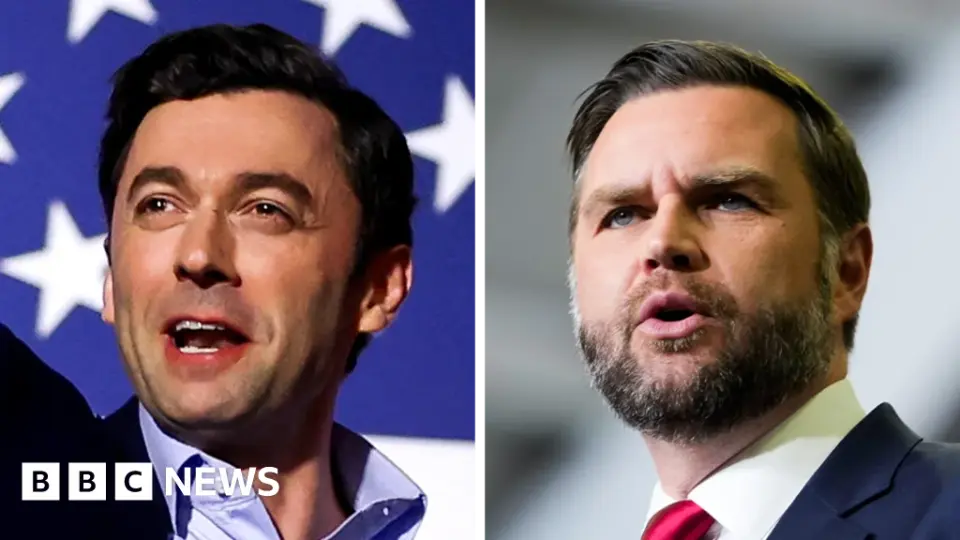
The 2026 US midterm elections resulted in significant Democratic gains, shifting the political landscape for the 2028 presidential race. While Democrats gained momentum with candidates like Jon Ossoff and Josh Shapiro, Republicans faced a historic defeat, prompting internal criticism of the Trump administration's policies, particularly regarding Iran. The results have intensified debates within both parties over economic populism versus centrism and highlighted the need to win over swing voters in traditionally safe states.
Key points
- Democrats achieved major gains in Congress, boosting the momentum of potential 2028 presidential candidates such as Georgia Senator Jon Ossoff, Pennsylvania Governor Josh Shapiro, and Illinois Governor JB Pritzker.
- Republican Vice President JD Vance blamed the party's losses on the Iran conflict, a move interpreted by some as distancing himself from the administration to prepare for a future presidential run.
- The election results have intensified internal party debates: left-wing Democrats cite wins in swing states as proof that bold economic populism can succeed, while moderate Democrats point to their gains as evidence that centrism remains viable.
- Both parties face a changing political map; Texas, a traditional Republican stronghold, now has only one statewide Republican official, suggesting its 40 electoral votes are up for grabs in 2028.
- Republican strategists acknowledge the need to change messaging to Latino voters, noting that previous focus on deportations alienated a key demographic that supported President Trump in 2024.
Background
The 2026 midterms were critical for determining control of Congress during President Trump's final two years. Prior to the election, the administration faced scrutiny over its handling of election dynamics, including legal challenges to ballot counts in states like California and Washington. The results have now shifted focus to the 2028 presidential race, where no candidates have officially entered but behind-the-scenes preparations are underway.
Why it matters
The 2026 midterm results serve as a direct referendum on the Trump administration's policies, particularly its foreign and domestic strategies. The historic Democratic gains suggest that voters are dissatisfied with the current direction, potentially impacting the viability of administration-aligned candidates in 2028. Furthermore, the shifting political map, including the loss of traditional Republican strongholds, indicates that the 2028 race will require new strategies to win over swing voters and diverse demographics.
What to watch
Potential 2028 presidential candidates from both parties will continue to prepare behind the scenes, with Democrats weighing the merits of economic populism versus centrism. Republicans will likely reassess their messaging to Latino and working-class voters to reverse the losses seen in 2026. The outcome of the 2028 race will depend on how effectively each party can adapt to the changing political landscape and win over swing voters in previously safe states.
- Four midterms takeaways for 2028 White House race BBC
- Vance takes GOP hits as DeSantis, Cruz emerge as early GOP winners for 2028 The Hill
- Midterms over, Democrats plunge into wide-open 2028 presidential race Reuters
- The midterms blew open the 2028 map. Republicans are panicking. Politico
- Who are the potential candidates for the 2028 primaries? NewsNation
Want the full story? Read the original reporting
Read on BBC