
2026 Midterm Vote Counts Lag in Key Battlegrounds, Delaying Final Results
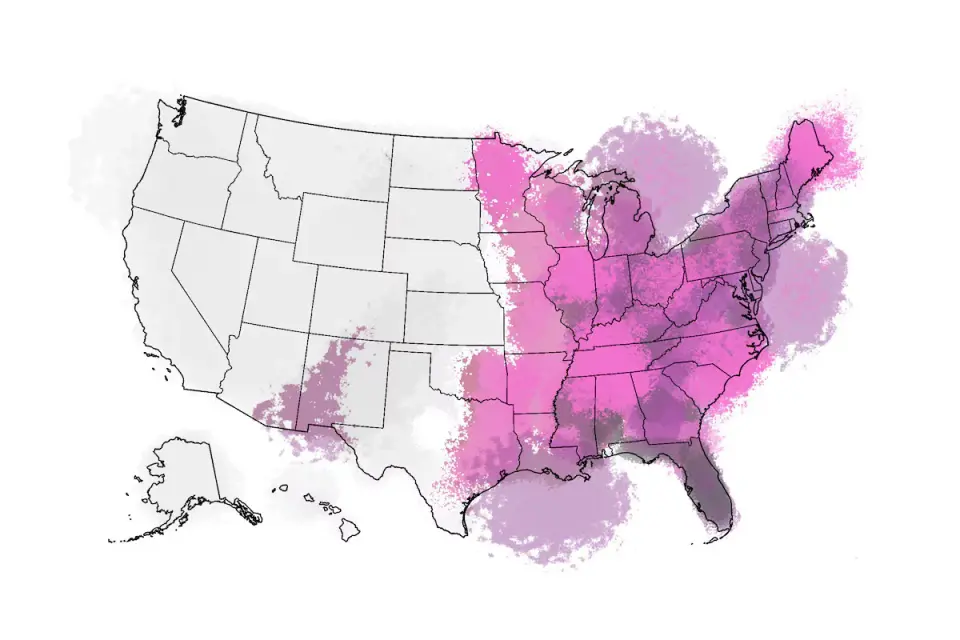
As of November 3, 2026, vote counting for the midterm elections is proceeding unevenly across the United States, with significant delays expected in slow-counting states like Maine and Alaska. The House is projected to flip to Democratic control, but final results may take days to confirm due to tight margins and procedural hurdles. Senate control hinges on seven toss-up races, where incomplete tallies could initially skew results toward Republicans due to faster rural counting.
Key points
- Counting speeds vary widely; Florida and Iowa tabulate quickly, while California, Washington, Maine, and Alaska are slow counters.
- The House is expected to flip to Democratic control, but final results may be delayed by one to two days due to tight races and legal challenges.
- Senate control depends on seven toss-up races, with Maine and Alaska likely to be the deciding factors due to their slow counting processes.
- The 'red mirage' phenomenon may occur, where incomplete results appear more Republican because rural counties count faster than urban areas.
- Vote counting has slowed over the past decade due to expanded mail voting and laws prohibiting early counting of ballots.
Background
Prior to the election, nine battleground states were identified as pivotal for congressional control, with Democrats seeking a net gain of three House seats and Republicans defending their slim majority. Key Senate contests in Texas, Georgia, and Michigan were seen as potential power shifters, while early voting exceeded 43 million ballots. In Maine, incumbent Republican Senator Susan Collins faced a tight race against Democrat Troy Jackson, with polls showing Jackson leading by 2 to 9 points, potentially triggering ranked-choice voting. Additionally, Texas Latino vote shifts and redistricting efforts had created competitive races in six key House districts, challenging GOP dominance.
Why it matters
The uneven pace of vote counting and the potential for delayed results in key battleground states could lead to temporary misperceptions of election outcomes, such as the 'red mirage.' This delay may affect public perception and political narratives in the immediate aftermath of the election, even if final results eventually confirm a shift in congressional control. Understanding these dynamics is crucial for interpreting real-time election coverage and anticipating the timeline for official certification of results.
What to watch
Live updates on vote counts will continue as states tabulate results, with particular attention to Maine and Alaska, which are expected to be among the slowest counters. Final results for the House and Senate may not be known for one to two days after Election Day, depending on tight margins, legal challenges, and runoff procedures. The Associated Press will continue to update its expected-vote model as turnout data becomes available.
Want the full story? Read the original reporting
Read on The Washington Post