
2026 Midterms: Democrats Hold House Lead Amid Voter Cynicism and Turnout Risks
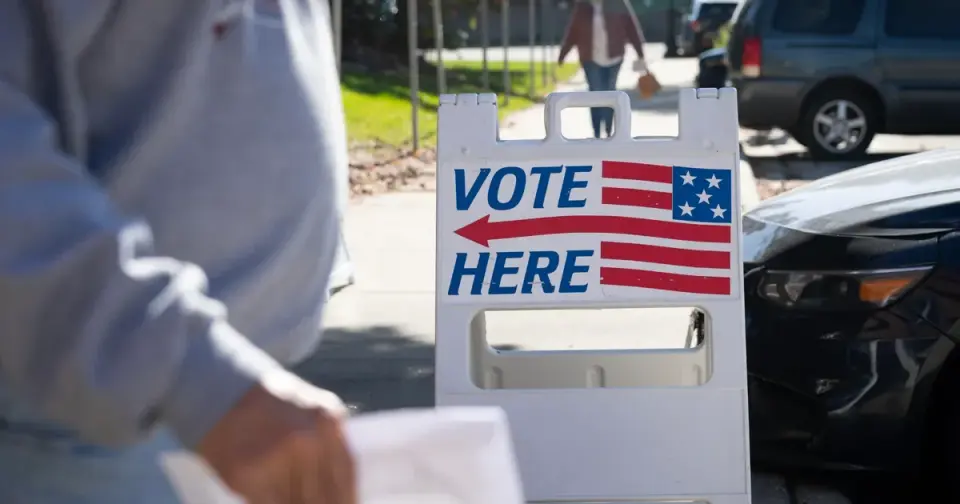
A CBS News poll indicates Democrats maintain a lead for the House, projecting 229 seats, though the advantage has stalled. Voters are largely motivated by opposition to President Trump rather than support for Democratic plans. While economic dissatisfaction drives the Democratic edge, widespread cynicism persists regarding both parties' ability to improve financial conditions. Republicans retain a narrow path to victory if undecided voters, who skew Republican, turn out. The Senate remains a tougher challenge for Democrats due to red-state dynamics and spending disparities.
Key points
- CBS News estimates Democrats on pace for 229 House seats, with a potential range into the 230s, but the lead has not expanded recently.
- Voters are primarily motivated by 'avoidance,' opposing Trump or Republican policies rather than supporting Democratic agendas.
- Most voters believe neither party has a clear plan to improve their financial situation, though more fear being worse off under a Republican win.
- Undecided voters profile as more Republican, posing a risk to the Democratic lead if turnout increases among this group.
- The New York Times notes Democrats face structural challenges in the Senate, including outspending by Republicans in key red-state races.
Background
Since September 2026, polling has consistently shown a Democratic advantage in congressional races, driven by economic dissatisfaction and low approval ratings for President Trump. Earlier data indicated a 10-point lead for Democrats, with inflation and the Iran conflict cited as top concerns. Recent shifts among Arab American voters and growing AI safety concerns have also influenced voter preferences, but the current focus remains on economic hardship and opposition to the incumbent president.
How outlets are covering it
CBS News emphasizes the durability of the Democratic lead but highlights the lack of a growing wave, noting that undecided voters lean Republican. The outlet stresses that voters are motivated by opposition to Trump rather than support for Democratic policies. The New York Times offers a contrasting view, arguing that while national polls favor Democrats, the Senate race is significantly harder due to red-state dynamics and Republican outspending. CNN’s Poll of Polls corroborates the Democratic lead, showing an average of 52% for Democrats versus 41% for Republicans in recent surveys, confirming the national trend but not addressing the specific structural hurdles in the Senate.
Why it matters
The 2026 midterms will determine the balance of power in Congress, with the House likely under Democratic control but the Senate uncertain. Voter cynicism about both parties' plans suggests that turnout among undecided, Republican-leaning voters could be decisive. Economic concerns remain the primary driver of voter behavior, but the lack of perceived solutions from either party may limit the magnitude of any party's gains.
What to watch
The key question is whether undecided voters, who skew Republican, will turn out. If they do, the Democratic lead in the House could narrow or even reverse. In the Senate, Democrats face a tougher challenge due to red-state dynamics and Republican spending advantages. The outcome will depend on voter motivation and turnout, particularly among groups that are currently undecided or less engaged.
- Poll finds Democrats still boosted by voters' economic concerns, but many don't think either party has a plan CBS News
- Politics chat: The polls show a Democratic sweep in the midterms. Can you trust them? NPR
- Why Democrats Could Find It Hard to Win the Senate Despite Their Strong Polls The New York Times
- Democrats’ Midterm Map Expands in Warning Sign for Republicans Bloomberg.com
- CNN Poll of Polls: Generic midterm ballot CNN
Want the full story? Read the original reporting
Read on CBS News