
Berkeley Voters Weigh $60M Parcel Tax for Regional Public Bank
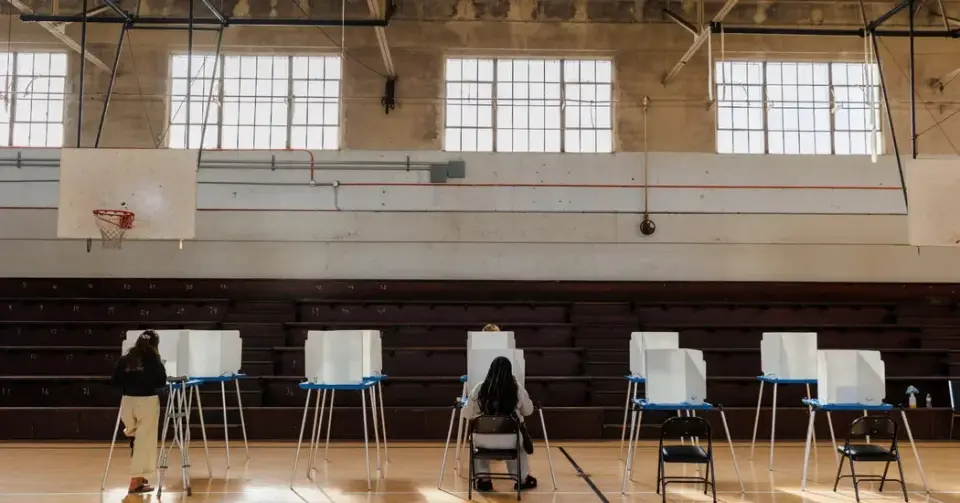
Berkeley residents will vote next week on Measure Z, a proposal to fund a regional public bank through a six-year parcel tax. The measure, inspired by North Dakota’s state bank, aims to provide low-interest loans for affordable housing and small businesses. Supporters cite high rent burdens and capital shortages, while opponents warn of fiscal risks and lack of local safeguards.
Key points
- Measure Z proposes a parcel tax of 6 cents per square foot for residential and 9 cents for commercial properties over six years.
- The tax revenue would create a fund to establish a public bank serving the East Bay region, not just Berkeley.
- Proponents argue the bank would address 40% of tenants struggling with rent and provide capital for small businesses.
- Opponents argue the measure lacks city oversight provisions and risks wasting nearly $60 million if state or federal charters are denied.
- The tax rate is set to increase annually based on Bay Area cost of living or California per capita income, whichever is higher.
Background
This proposal follows recent infrastructure challenges in the East Bay, including power shutoffs by PG&E in October 2026, which highlighted vulnerabilities in local systems. While not directly related, the push for local financial control reflects broader concerns about reliance on federal funding and private utilities.
How outlets are covering it
The New York Times frames the initiative as a progressive city borrowing a conservative model from North Dakota, emphasizing the novelty of the idea. KALW provides granular financial details, noting that the measure is funded by the San Francisco Foundation and Friends of the Public Bank East Bay. Supporters, including the Coalition to Keep Berkeley Money Local, focus on the need for affordable financing. Opponents, such as Within Our Means Berkeley, criticize the lack of safeguards and the potential for Berkeley taxpayers to subsidize loans in other East Bay cities without guaranteed returns. KALW also notes that the measure appeared on Berkeley’s ballot due to more favorable polling there compared to Oakland or Alameda County.
Why it matters
The outcome will determine whether a major California city adopts a public banking model to address housing and business capital gaps. If passed, it sets a precedent for using municipal taxes to create regional financial institutions, potentially influencing similar efforts in other progressive jurisdictions. If rejected, it highlights voter skepticism toward new taxes without clear oversight mechanisms.
What to watch
Berkeley voters will decide on Measure Z in the upcoming election. If approved, the parcel tax will begin, and the city will work to secure state and federal charters for the bank. If rejected, the proposal will likely not be revisited in the near term, and the focus may shift to other housing and economic development measures.
Want the full story? Read the original reporting
Read on The New York Times