
2026 Midterms: Key Races, Ballot Measures, and Early Voting Trends
The 2026 US midterm elections on November 3 will determine control of the House and Senate, along with 39 governorships and key ballot measures. Early voting has surged in several states, while prediction markets and polls indicate a competitive Senate race hinging on seven toss-up states. Major outlets are providing extensive voter guides and live coverage, with particular focus on California's wealth tax proposal and races in Georgia, Michigan, and Alaska.
Key points
- All 435 House seats and 35 Senate seats are up for election, with control of the Senate hinging on seven competitive races.
- Governor races are on the ballot in 39 states, including key contests in Georgia, Kansas, Michigan, Nevada, and Texas.
- High-profile ballot measures include California's Proposition 40, a proposed wealth tax on billionaires, and measures on abortion and LGBTQ+ rights.
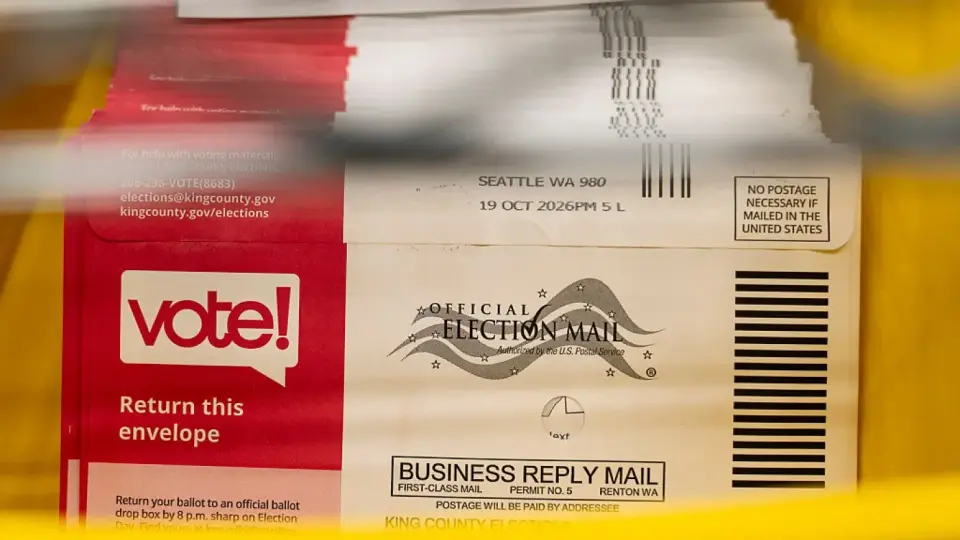
- Early voting has surged in states like Texas, North Carolina, and Georgia, with mail-in ballots being processed in Washington state.
- Prediction markets and polls show a close Senate race, with Democrats needing a net gain of four seats to secure the majority.
- Major news outlets, including NPR, Bloomberg, and CBS News, are providing extensive voter guides and live coverage of the election.
Background
Recent coverage has highlighted the impact of former Trump supporters defecting in Georgia, with approximately one in five shifting their allegiance. Early voting surges in key states have been tracked, with analysts cautioning that early turnout does not guarantee final outcomes. The Cook Political Report has identified seven toss-up states that will determine Senate control, with Democrats favored to flip the chamber despite a challenging map.
How outlets are covering it
NPR emphasizes the availability of voter guides from member stations across the country, highlighting local resources and coverage of ballot measures. Bloomberg focuses on live vote counts, prediction market odds, and key races, noting the competitive nature of the Senate race. CBS News provides detailed information on how to watch live coverage, including local station schedules and the timing of poll closures. All three outlets agree on the significance of the 2026 midterms but differ in their emphasis: NPR on voter resources, Bloomberg on data and markets, and CBS on broadcast coverage.
Why it matters
The 2026 midterms will shape the balance of power in Congress and state governments, influencing policy on issues such as abortion, LGBTQ+ rights, and taxation. The outcome of key races in toss-up states will determine which party controls the Senate, while gubernatorial races will impact state-level policies. Ballot measures, particularly California's wealth tax proposal, could have significant economic and social implications. The election will also test the resilience of the current administration's agenda and the effectiveness of voter mobilization efforts.
What to watch
Polls will close at various times on November 3, with the first batch closing at 7 p.m. ET and the last in Alaska at 1 a.m. ET. Live coverage will continue into Wednesday, with results expected to come in gradually. The outcome of the Senate race will be determined by the performance in seven toss-up states, while gubernatorial races and ballot measures will shape state-level policies. Prediction markets and polls will provide real-time updates on the race for control of Congress.
- 2026 midterm election voter guides: Find local resources in your community NPR
- When will we know who won the midterms? ABC10
- WATCH: 2026 midterms preview, plus your questions on voting PBS
- Live Results and Map: 2026 US Midterm Elections | Key Races to Watch Bloomberg
- How to watch live 2026 midterm election results on CBS News CBS News
Want the full story? Read the original reporting
Read on NPR