
2026 Midterms: Voters Weigh Inflation and Iran War as Democrats Chase Congressional Control
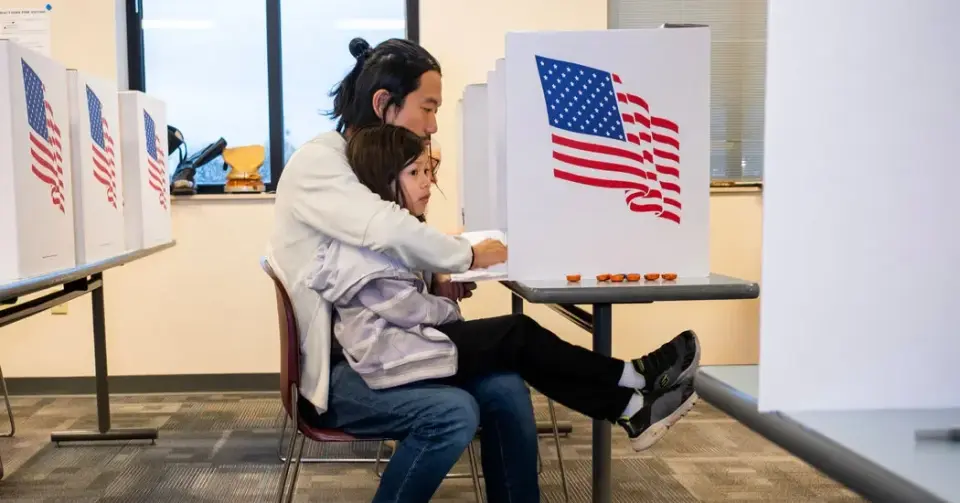
Americans vote on November 3, 2026, to determine control of Congress, marking the first nationwide verdict on President Trump’s second term. Democrats, favored in polls, must flip four Senate seats and gain three House seats to reclaim power. Record early voting, exceeding 55 million ballots, reflects high engagement, though results may take days. Key battlegrounds include Texas, Michigan, and Iowa, where affordability and the Iran conflict dominate voter concerns.
Key points
- Democrats need to flip four Senate seats and gain three House seats to take control of Congress.
- Early voting surpassed 55 million ballots, exceeding 2022 midterms, with record spending including $474 million from Elon Musk.
- Inflation at 3.7% and the unpopular Iran war drive voter dissatisfaction with Trump, whose approval stands at 35%.
- The Justice Department deployed nearly 1,000 monitors to all 50 states, while a federal judge blocked the administration from sending alleged noncitizen voter lists to states.
- Latino voters, now favoring Democrats by 30 points, are pivotal in swing states like Arizona, Florida, and Texas.
Background
This election follows a contentious campaign season marked by record political advertising and federal legal battles over election integrity. Previous coverage noted that prediction markets gave Democrats a 95% chance for the House and 80% for the Senate, driven by economic discontent and the Iran conflict. The Supreme Court recently rejected Trump’s bid to block California mail-in ballots, reinforcing state control over elections.
How outlets are covering it
The New York Times emphasizes the election as a referendum on Trump’s policies, highlighting record early voting and the administration’s failed efforts to prove noncitizen voting. CNN focuses on the visual and human element, noting Trump’s low approval and the high stakes for both parties. AP News stresses the economic impact, with inflation at 3.7% and consumer sentiment at recession lows, while also detailing the legal block on noncitizen voter lists and the Navajo Nation’s polling changes due to flooding. All sources agree on the Democratic advantage but differ on the depth of potential gains, with AP noting Trump’s economic approval has dropped among Republicans to 50%.
Why it matters
The outcome will determine whether Democrats can check Trump’s agenda through oversight and potential impeachment of Cabinet officials, or if Republicans maintain control to support his final two years. It also signals a shift in Latino voter alignment, which could reshape future elections, and tests the resilience of federal election interference efforts amid court losses.
What to watch
Results will emerge gradually as polls close, with final outcomes potentially delayed by days in close races. The Justice Department will continue its criminal investigation into a Democratic candidate in Alaska, and the administration may face further legal setbacks over election integrity. Watch for shifts in Senate battlegrounds like Texas and Michigan, where early voting trends suggest Democratic momentum.
- 2026 Midterm Elections Live Updates: Voters Head to the Polls to Decide Control of Congress The New York Times
- Opinion | Five Telltale Signs of a Democratic Blowout The New York Times
- In pictures: The 2026 midterm elections CNN
- Election 2026 live updates: Voters head to the polls in a midterm battle for House and Senate control NBC News
- Midterm elections live updates: Voters will decide control of Congress in major test of Trump's second term AP News
Want the full story? Read the original reporting
Read on The New York Times