
2028 Presidential Field Fractures as GOP Blame Wars and Democratic Outreach Intensify
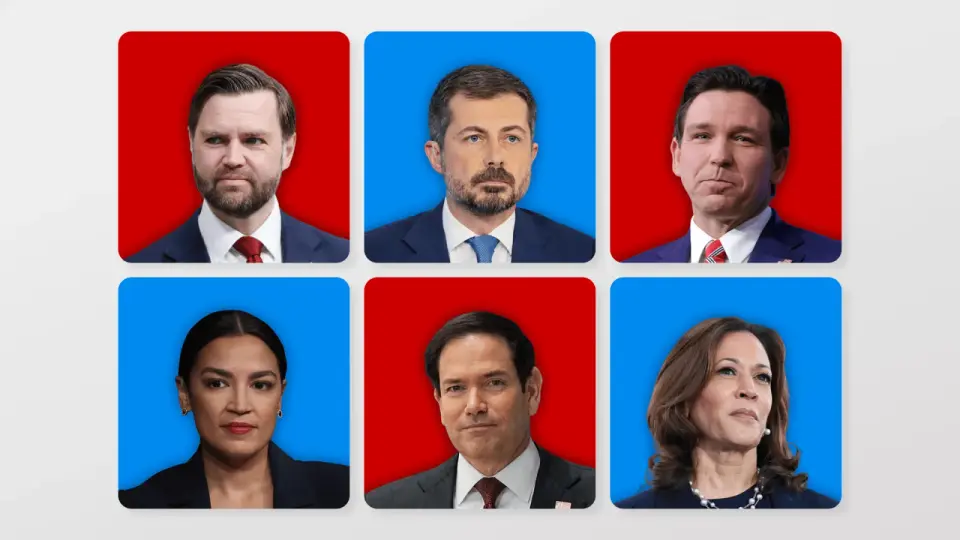
The 2028 presidential race has entered a phase of intense internal maneuvering following the 2026 midterm elections. CNN identifies 32 potential contenders, including 18 Democrats and 13 Republicans. Republicans are fractured over blame for their historic midterm losses, with JD Vance citing the Iran war, Marco Rubio defending it, and Ron DeSantis criticizing the party’s cultural strategy. Meanwhile, Democrats are leveraging their midterm surge, with figures like Pete Buttigieg and JB Pritzker already contacting new congressional winners to build early coalitions.
Key points
- CNN lists 32 potential 2028 candidates, including 18 Democrats and 13 Republicans, noting that no formal campaigns have launched yet.
- JD Vance blames the Iran war for the Republican midterm defeat, arguing voters abandoned the party over foreign policy, though he faces criticism for defending the conflict while in office.
- Marco Rubio defends the Iran war as 'the right thing to do' while distancing himself from the party’s losses, despite his role as Secretary of State and National Security Advisor.
- Ron DeSantis calls the midterm results an 'extinction-level event' for Republicans, arguing the party fought 'yesterday’s battle' by focusing on culture wars rather than economic promises.
- Ted Cruz labels the midterm loss a 'Watergate-level repudiation,' blaming tariffs and the Iran war, while other figures like Brian Kemp and Sarah Huckabee Sanders face similar challenges in balancing loyalty to Trump with criticism of his policies.
- Democrats are actively building coalitions, with Pete Buttigieg, JB Pritzker, Wes Moore, Rahm Emanuel, Mark Kelly, and Cory Booker contacting newly elected senators and representatives to leverage their midterm wins.
Background
The 2026 midterm elections resulted in significant Democratic gains, shifting the political landscape for the 2028 presidential race. Republicans faced a historic defeat, prompting internal criticism of the Trump administration’s policies, particularly regarding Iran and tariffs. This defeat has intensified debates within both parties over economic populism versus centrism and highlighted the need to win over swing voters in traditionally safe states. Prior to the midterms, figures like John Kennedy had weighed potential bids, while the Artemis program’s accelerated timeline reflected broader strategic shifts in national priorities.
How outlets are covering it
CNN provides a broad overview of the 2028 field, emphasizing the large number of potential candidates and the lack of formal campaigns. CNBC focuses on the internal Republican infighting, highlighting the diverging blame narratives among Vance, Rubio, and DeSantis, and the challenges of inheriting the MAGA coalition without alienating Trump’s base. Politico emphasizes the Democratic side, detailing how potential contenders are leveraging their midterm wins by reaching out to new congressional members to build early coalitions. The sources agree on the significance of the 2026 midterms but differ in emphasis: CNN and Politico highlight the breadth of the field and early maneuvering, while CNBC focuses on the specific policy and blame disputes within the GOP.
Why it matters
The 2028 presidential race is already being shaped by the aftermath of the 2026 midterms, with both parties grappling with internal divisions and strategic repositioning. The Republican Party’s inability to agree on the cause of its midterm losses—whether it was the Iran war, tariffs, or cultural issues—signals deep fractures that could impact the nomination process. Meanwhile, Democrats are leveraging their midterm surge to build early coalitions, potentially setting the stage for a competitive primary. These dynamics will influence the broader political landscape, including policy priorities and voter engagement, as the 2028 election approaches.
What to watch
The 2028 presidential race will likely see continued internal maneuvering within both parties, with Republicans grappling over blame for the 2026 midterm losses and Democrats leveraging their midterm wins to build early coalitions. Key figures like JD Vance, Marco Rubio, and Ron DeSantis will face challenges in balancing loyalty to Trump with criticism of his policies, while Democrats like Pete Buttigieg and JB Pritzker will continue to reach out to new congressional members to solidify their positions. The outcome of these internal dynamics will shape the broader political landscape, including policy priorities and voter engagement, as the 2028 election approaches.
- Meet the 2028 Potential Presidential Contenders CNN
- Trump's 2028 successors are already fighting over who to blame for GOP midterm wipeout CNBC
- A new set of Democratic power brokers just dropped before 2028 Politico
- Vance’s 2028 stock drops: Ranking top 5 presidential GOP contenders after midterms The Hill
- Midterms and 2028: Join America's conversation here! Fox News
Want the full story? Read the original reporting
Read on CNN