
Judge Upholds NYC Rent Freeze, Dismissing Landlord Challenge to Mamdani’s Policy
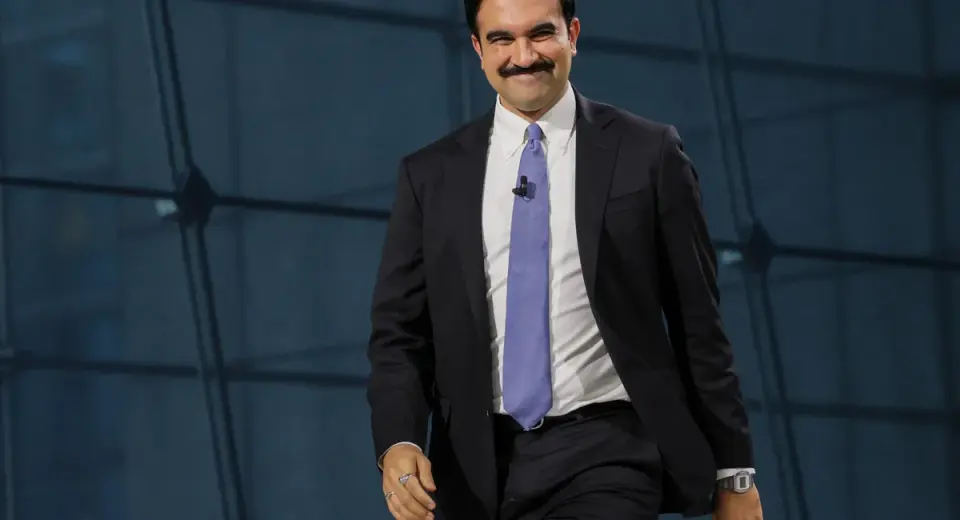
A Manhattan judge has upheld New York City’s two-year rent freeze for approximately one million rent-stabilized apartments, dismissing a lawsuit filed by landlords. The ruling validates the decision made by the city’s Rent Guidelines Board in June, marking a significant legal victory for Mayor Zohran Mamdani’s affordability agenda. While the court found the freeze rational, it criticized the mayor’s campaign promises as reckless, noting that mayors lack the authority to unilaterally set rents. Landlords have indicated they are considering an appeal, while tenant advocates welcomed the decision as a necessary protection for working New Yorkers.
Key points
- Judge Brendan Lantry of the Manhattan State Supreme Court dismissed a lawsuit filed by a group of landlords seeking to void the city’s rent freeze, ruling that the Rent Guidelines Board’s decision was not unreasonable, arbitrary, or capricious.
- The freeze, which applies to one- and two-year leases for rent-stabilized units, took effect on October 1, 2026, and covers roughly one million apartments, fulfilling a key campaign pledge of Mayor Zohran Mamdani.
- Landlords, represented by Randy Mastro, a former first deputy mayor under Eric Adams, argued that the board’s process was a sham and ignored rising operating costs such as insurance and taxes, claiming the data was manipulated to understate the impact on owners.
- Judge Lantry acknowledged that the freeze may have detrimental impacts on the real estate industry and criticized Mamdani’s campaign pledge to freeze rent as reckless and irresponsible, stating that mayors do not have the authority to unilaterally adjust rents.
- Mastro stated that he and his clients are considering next steps regarding a potential appeal, while Small Property Owners of New York Board President Ann Korchak warned that the freeze would push small landlords to the edge of financial ruin.
- Legal Aid Society attorney Ellen Davidson, who intervened on behalf of tenants, expressed satisfaction with the ruling, noting that courts do not have the power to override the decisions of the Rent Guidelines Board.
Background
Mayor Zohran Mamdani, a 34-year-old Democratic Socialist, took office in January 2026 after winning the 2025 mayoral election on a platform focused on affordability, including a rent freeze. The Rent Guidelines Board, which has nine members appointed by the mayor for multiyear terms, approved the freeze in June 2026. In the previous cycle, the board voted for a 3% increase on one-year leases and 4.5% on two-year leases, a decision opposed by landlord advocates like Randy Mastro. Mamdani’s broader economic agenda, often referred to as Zohranomics, includes initiatives for universal childcare and a tax on second homes, but the rent freeze remains his most controversial housing move. The city’s housing market has faced significant pressure, with operating costs for landlords rising due to insurance, taxes, and maintenance, while tenants continue to struggle with affordability.
How outlets are covering it
The New York Times and Bloomberg focused on the legal victory for Mayor Mamdani, emphasizing the dismissal of the lawsuit and the judge’s finding that the freeze had a rational basis. The Guardian highlighted the judge’s criticism of Mamdani’s campaign pledge as reckless, while also noting the landlord arguments about rising costs. Gothamist provided detailed insights into the legal battle, including the judge’s order for city officials to turn over communications with the Rent Guidelines Board, which Mastro described as shocking but which city lawyers deemed proper. All sources agreed that the freeze is a significant policy win for Mamdani, but they differed in emphasis: The Times and Bloomberg framed it as a legal triumph, while The Guardian and Gothamist highlighted the tensions between the mayor’s promises and the board’s independence. Landlords, represented by Mastro and Ann Korchak, argued that the freeze would devastate small property owners, while tenant advocates, such as Ellen Davidson, welcomed the ruling as a necessary protection for working New Yorkers.
Why it matters
The ruling solidifies a major policy initiative of Mayor Mamdani’s administration, impacting the lives of approximately two million residents in rent-stabilized apartments. It sets a precedent for the limits of mayoral influence over the Rent Guidelines Board and the legal boundaries of rent control in New York City. The decision may influence future housing policies and legal challenges, as landlords consider appeals and the city navigates the balance between tenant affordability and landlord viability. The freeze also reflects broader national trends in housing affordability, with the US housing market facing historic lows in sales and permits, as noted in recent reports.
What to watch
Landlords represented by Randy Mastro are considering an appeal of the ruling, which could lead to further legal battles in higher courts. The Rent Guidelines Board is expected to continue its annual review of rent increases, with the next cycle likely to face scrutiny over the impact of the freeze. Mayor Mamdani’s administration may face additional challenges in implementing other aspects of his economic agenda, including the second-home tax and universal childcare initiatives. The city will also monitor the financial impact of the freeze on small property owners, as warned by Ann Korchak, and may need to adjust policies to address potential market disruptions.
- Judge upholds NYC rent freeze, marking win for Mamdani and his affordability agenda Gothamist
- Mamdani Wins Against Landlords in Rent Freeze Lawsuit The New York Times
- Mamdani wins against landlords in New York rent freeze lawsuit: ‘Housing is not a luxury’ The Guardian
- Judge Clears New York City Rent Freeze Backed by Mayor Mamdani Bloomberg
- How Many 'Ghost Apartments' Are There in New York City? Reason Magazine
Want the full story? Read the original reporting
Read on Gothamist