
2028 Presidential Race Enters Groundwork Phase as Democrats Weigh Crowded Field
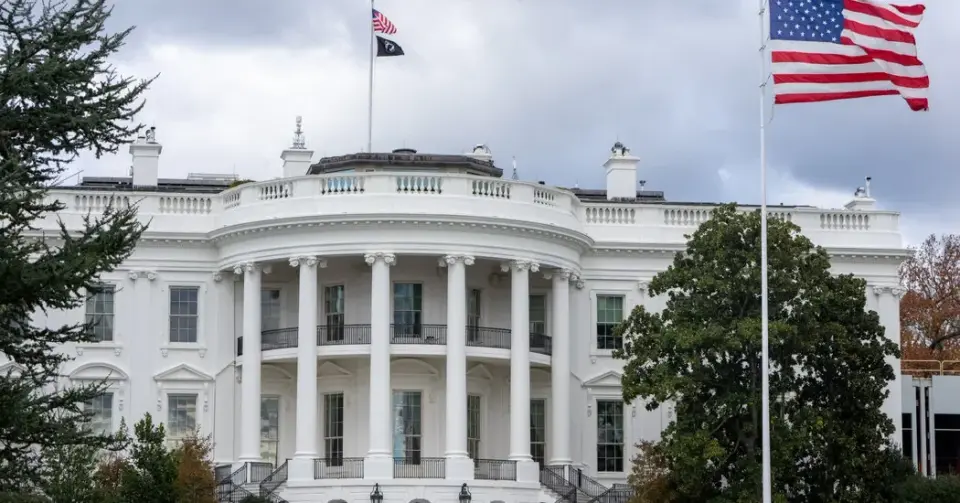
The 2028 presidential cycle has entered its early planning stage following the 2026 midterm elections, with Democrats preparing a crowded primary field and scheduling debates for mid-2027. While no major candidate has officially launched a bid, speculation centers on figures like Jon Ossoff, Gavin Newsom, and Alexandria Ocasio-Cortez, who are assessing their viability amid a political landscape shifted by recent Democratic gains. The race is characterized by uncertainty over candidate intentions, with many top names still undecided or explicitly declining to run, while the party focuses on delivering tangible policy results to voters.
Key points
- The Democratic Party has scheduled a dozen presidential debates for 2027, with the first set for June and the second for July, though specific dates are not yet announced.
- Jon Ossoff is currently the most buzzed-about potential candidate, praised for his 2026 Georgia reelection, but he has repeatedly stated he will serve his full Senate term and is not running.
- Gavin Newsom is seen as a strong contender due to his fundraising infrastructure and recent political momentum, though his status as a 'face of resistance' against President Trump may require recalibration.
- Alexandria Ocasio-Cortez remains a major name, but her campaign strategy is uncertain, with questions about whether she will run for president or a Senate seat, and whether her progressive base will translate to a general election win.
- Pete Buttigieg is considered a viable candidate with broad appeal, but strategists question how he will differentiate himself from center-left rivals like Ossoff and Newsom in a crowded field.
- The 2026 midterm 'blue wave' has shifted the Democratic focus away from opposing Trump and toward delivering concrete policy results, particularly on affordability, to win back voters.
Background
The 2026 midterm elections resulted in a significant Democratic 'blue wave,' with the party gaining control of both chambers of Congress and securing majorities in key states. This shift has prompted a reevaluation of the 2028 presidential race, with Democrats seeking new leaders after the 2024 cycle. The current cycle is marked by a generational change in both parties, with Republicans pondering who will succeed President Trump, and Democrats looking to capitalize on their recent gains. The political landscape is also influenced by the ongoing Iran war, which has affected Republican unity and candidate positioning.
How outlets are covering it
The New York Times frames the 2028 race as a period of speculation and groundwork, emphasizing the crowded and competitive nature of both parties' primaries. The Hill focuses on the Democratic field, ranking potential candidates and highlighting the uncertainty surrounding their intentions, particularly for Ossoff and Ocasio-Cortez. CNN provides a more analytical perspective, questioning whether the political environment is too toxic for some top candidates to run and emphasizing the need for candidates to deliver tangible results rather than just rhetoric. NBC News highlights the role of the holiday season in candidate decision-making, noting that many candidates are using this time to assess their options. The sources generally agree on the crowded field and the uncertainty surrounding candidate intentions, but differ in their emphasis on the challenges facing potential candidates, with CNN and The Hill focusing more on the risks and uncertainties, while The New York Times and NBC News focus more on the groundwork and planning.
Why it matters
The 2028 presidential race is a critical moment for both parties, as it will determine the direction of US policy in a post-Trump era. The Democratic Party's recent gains in the 2026 midterms have created an opportunity to capitalize on their momentum, but the party must also navigate a crowded primary field and a political landscape that is increasingly focused on delivering tangible results. The outcome of the 2028 race will have significant implications for the future of US politics, including the balance of power in Congress and the direction of US foreign policy.
What to watch
The next major developments in the 2028 presidential race will likely include the announcement of candidate bids, which are expected to begin in late 2026 or early 2027. The Democratic Party's first presidential debate is scheduled for June 2027, with a second debate in July. The outcome of the 2028 race will depend on the ability of candidates to deliver tangible results and connect with voters, particularly in swing states. The political landscape will also be influenced by the ongoing Iran war and the balance of power in Congress.
- Five Big Questions for the 2028 Presidential Race The New York Times
- 5 Democrats most likely to win the presidential nomination in 2028 The Hill
- Everything just changed for potential 2028 candidates CNN
- Checks and Balance newsletter: The crowded field for 2028 The Economist
- Why Thanksgiving Day may be a key moment in many 2028 presidential campaigns NBC News
Want the full story? Read the original reporting
Read on The New York Times