
5th Circuit Strikes Down Pregnant Workers Law, Citing Proxy Voting Violation of Quorum Clause
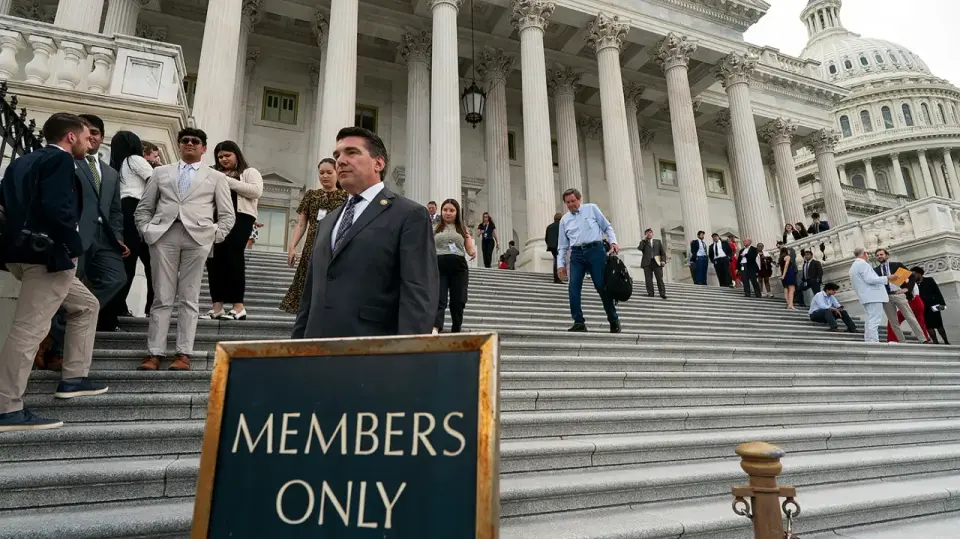
A divided 5th Circuit Court of Appeals ruled 9-8 that the Pregnant Workers Fairness Act is unconstitutional because it was passed via proxy voting in 2022, violating the Quorum Clause. The ruling blocks enforcement in Texas, Louisiana, and Mississippi, and is expected to be appealed to the Supreme Court.
Key points
- The 5th Circuit Court of Appeals ruled 9-8 on Friday that the House's use of proxy voting in December 2022 violated the Constitution's Quorum Clause, which requires a majority of members to be physically present.
- The ruling invalidates the Pregnant Workers Fairness Act, a provision of the $1.7 trillion Consolidated Appropriations Act of 2023, blocking its enforcement in Texas, Louisiana, and Mississippi.
- The case was initiated by outgoing Texas Attorney General Ken Paxton in 2023, who argued that the proxy voting practice rendered the law unconstitutional.
- The Department of Justice, under both the Biden and Trump administrations, argued that the enrolled-bill rule and the Rulemaking Clause permitted proxy voting, but the court disagreed.
- Legal experts and advocates warn that the ruling could invalidate other laws passed during the pandemic-era proxy voting period, including the Electoral Count Reform Act and the TikTok ban on government devices.
Background
The 2022 Consolidated Appropriations Act was passed during a pandemic-era rule that allowed members of Congress to vote by proxy and count toward a quorum without being physically present. The House passed the bill 225-201, with 226 members recording their vote by proxy. The Senate followed, and former President Biden signed it into law. The Pregnant Workers Fairness Act, a provision of the bill, requires workplaces to provide accommodations for pregnant women, such as time off for medical appointments and exemptions from heavy lifting. The 5th Circuit's ruling is the latest in a series of legal challenges to the constitutionality of laws passed during the pandemic-era proxy voting period.
How outlets are covering it
The Hill and AP News emphasize the legal and constitutional implications of the ruling, noting that it could invalidate other laws passed during the proxy voting era. MS NOW criticizes the ruling as a 'frustratingly selective application of the Constitution' that makes life worse for pregnant women, while Reason Magazine argues that the ruling is correct and that the proxy voting rule was more about Speaker Pelosi's power than actual pandemic relief. The Justice Department, across two administrations, argued that the enrolled-bill rule barred the court from reviewing how the law was passed, but the court disagreed. Legal experts, including Yale Law School professor William Eskridge Jr., called the ruling 'utterly irresponsible' and warned of its broader implications.
Why it matters
The ruling could have significant implications for the validity of other laws passed during the pandemic-era proxy voting period, including the Electoral Count Reform Act and the TikTok ban on government devices. It also raises questions about the ability of Congress to function during future crises, such as a global health pandemic or a national security crisis. The case is expected to be appealed to the Supreme Court, which could have a broader impact on the interpretation of the Quorum Clause and the Rulemaking Clause.
What to watch
The case is expected to be appealed to the Supreme Court. The Justice Department has not yet confirmed whether it will appeal, but if it does not, questions about the validity of other laws passed during the proxy voting era would likely remain unsettled. Some Democrats are pushing to reinstate a version of the proxy voting rule when they take over Congress in January, particularly for new parents.
- Pandemic-era rule letting House members vote by proxy could be headed for Supreme Court The Hill
- Opinion | The 5th Circuit made life harder for pregnant women on a ridiculous technicality MS NOW
- Appeals court says federal law requiring accommodations for pregnant workers is unconstitutional AP News
- Quorums in Times of Crisis Reason Magazine
- Rolling Back Pregnancy Protections Could Push Women Out of Medicine. What Does This Mean for Women’s Health? Ms. Magazine
Want the full story? Read the original reporting
Read on The Hill