
9th Circuit Panel Questions Jurisdiction in Trump DOJ’s Bid to Halt 20,000 California Ballots
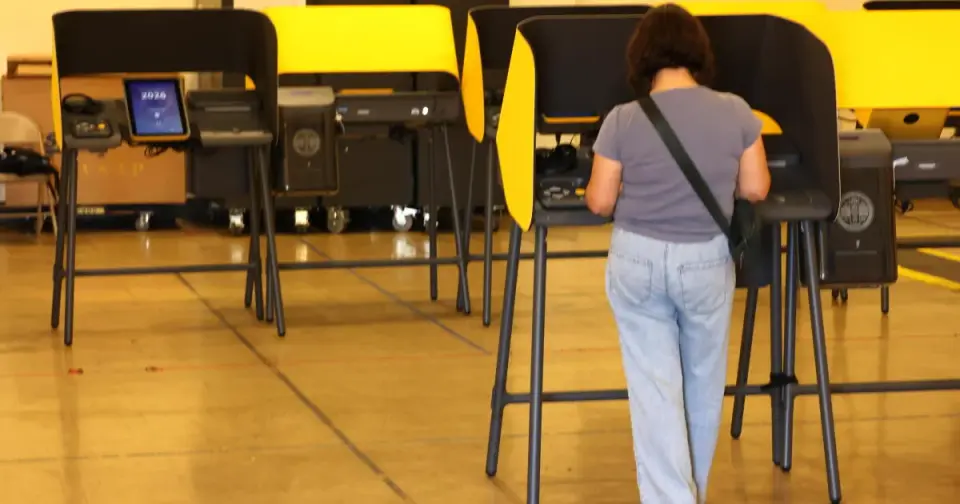
A federal appeals court panel expressed deep skepticism on Sunday regarding the Trump administration’s emergency request to block the counting of 20,000 mail-in ballots in California. Judge Mark Bennett questioned the court’s jurisdiction and the constitutionality of the move, noting that the Elections Clause grants states authority over election procedures. While the Justice Department argues it must enforce federal laws against noncitizen voting, California officials contend the data is flawed and the demand is impossible to meet before the November 3 election. The panel did not issue a ruling but indicated a decision is imminent.
Key points
- The U.S. 9th Circuit Court of Appeals held an emergency Sunday hearing to review the Justice Department’s request to stop counting 20,000 ballots in California.
- Judge Mark Bennett, a Trump appointee, questioned the court’s jurisdiction, arguing that the Constitution’s Elections Clause gives states, not the executive branch, the power to determine election methods.
- The Justice Department, represented by Matthew Donnelly, argued that federal criminal law requires the state to set aside ballots from suspected noncitizens until citizenship is proven.
- California officials, including Secretary of State Shirley Weber, argued the federal list is inaccurate, citing a preliminary review showing 40% of sampled individuals were born in the U.S.
- The panel, which includes judges appointed by both Trump and Biden, did not issue a ruling but signaled a decision is expected soon due to the election’s proximity.
Background
This dispute follows a series of federal interventions in state elections, including a lawsuit in Alaska and previous 9th Circuit rulings on immigration enforcement. In October 2026, the DOJ sued California after Acting Deputy Attorney General Trent McCotter demanded the state set aside ballots within 48 hours. California officials rejected the demand, citing data inaccuracies and the logistical impossibility of segregating ballots after they have been processed. The case is part of a broader pattern of federal challenges to state election integrity measures ahead of the November 3 midterms.
How outlets are covering it
The Los Angeles Times and NBC News emphasized the constitutional and jurisdictional hurdles, highlighting Judge Bennett’s view that the executive branch cannot override state election laws. CNN focused on the skepticism regarding the reliability of the 20,000-person list, noting that DOJ attorney Matthew Donnelly could not clearly explain the data’s provenance. ABC News highlighted the practical impossibility of the demand, noting that Los Angeles County had already processed over 300,000 ballots. While all outlets agreed the panel was skeptical, the Los Angeles Times noted that Judge Patrick Bumatay, a Trump appointee, appeared more sympathetic to the administration’s concerns about noncitizen voting, questioning how the state could verify citizenship without an injunction. California officials, represented by Samuel Siegel, argued the DOJ was attempting to 'short-circuit the democratic process' by bypassing the district court’s scheduled hearing.
Why it matters
The outcome of this case could set a precedent for federal intervention in state-run elections. If the court grants the injunction, it would allow the executive branch to override state election procedures, potentially disenfranchising thousands of voters in a key Democratic state. Conversely, a rejection would reinforce state authority under the Elections Clause and limit the DOJ’s ability to challenge ballot counts in the final days of an election. The case also highlights the tension between federal immigration enforcement and state election administration, with implications for future midterm and general elections.
What to watch
The 9th Circuit panel is expected to issue a ruling soon, potentially before the district court’s scheduled hearing on Tuesday. If the court rejects the appeal, the case will return to the district court, where a judge will assess the facts. If the court grants the injunction, California officials would be forced to set aside the 20,000 ballots, potentially delaying the certification of results. The Justice Department may also pursue further litigation in other states, as it has already filed suits in Alaska and other jurisdictions. California officials have indicated they will continue to count ballots unless a court orders otherwise, citing the risk of disenfranchising legitimate voters.
- 9th Circuit panel questions basis for feds’ request to block 20,000 California ballots Los Angeles Times
- Judges skeptical of Trump administration effort to force California to set aside mail ballots CNN
- Federal appeals court hears arguments in Trump administration's voting lawsuit against California ABC News - Breaking News, Latest News and Videos
- U.S. appeals court appears skeptical of Trump DOJ’s lawsuit over California voter rolls NBC News
- California election officials frustrated, rattled by DOJ demand to sequester 'noncitizen' ballots AP News
Want the full story? Read the original reporting
Read on Los Angeles Times