
ACLU sues to block grand jury subpoenas targeting anonymous ICE critics
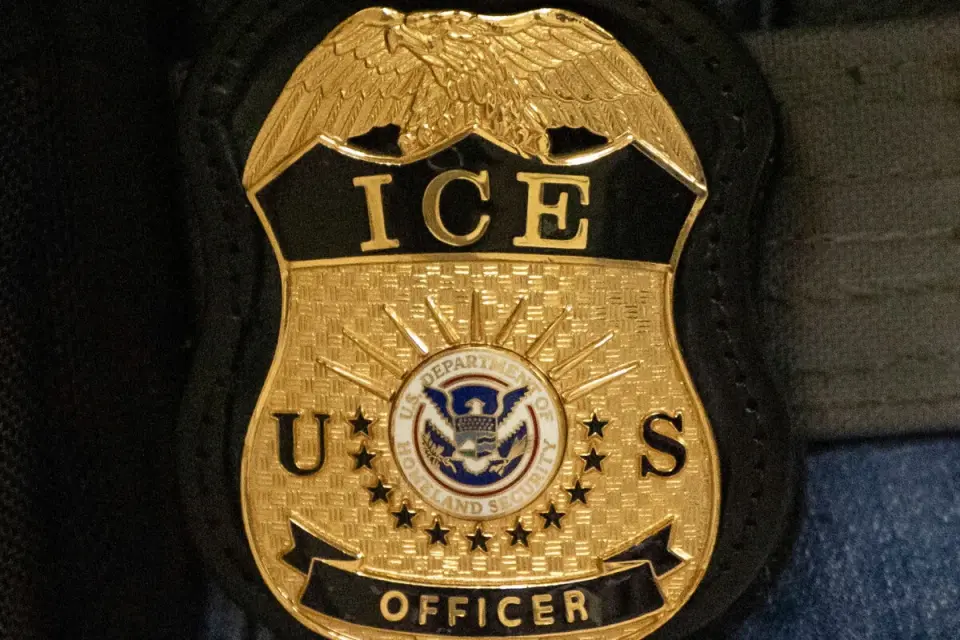
The American Civil Liberties Union filed a federal lawsuit on Friday, Nov. 27, 2026, seeking to block the Trump administration from using grand jury subpoenas to identify anonymous social media users who criticize immigration enforcement. The suit alleges the Justice Department and Department of Homeland Security are conducting a bad-faith investigation to retaliate against dissenters. A federal judge has scheduled a hearing for Jan. 6, 2027, to decide whether to issue a preliminary injunction.
Key points
- The ACLU filed a federal class action on Nov. 27, 2026, on behalf of four unnamed social media users, seeking to enjoin the Justice Department and DHS from conducting a grand jury investigation.
- The lawsuit names U.S. Attorney Jeanine Pirro, Attorney General Todd Blanche, and DHS Secretary Markwayne Mullin as defendants, alleging they are weaponizing the grand jury process to violate First Amendment rights.
- ACLU attorneys claim the government has issued dozens of grand jury subpoenas to social media platforms, including Meta, Bluesky, and X, to obtain personal information of users who posted critical content about ICE.
- Chief Judge James Boasberg ordered the case unsealed on Nov. 25, 2026, and scheduled a hearing for Jan. 6, 2027, with the administration required to respond in writing by Dec. 14, 2026.
- The ACLU argues this is the first systemic civil challenge to the administration's use of grand jury unmasking subpoenas, describing the effort as a bad-faith fishing expedition to gather intrusive intelligence.
Background
This lawsuit follows a pattern of legal disputes involving the Trump administration's efforts to influence public discourse and immigration enforcement. In October 2026, the administration faced judicial rejection of pre-election interference tactics, including lawsuits to block ballot certification in Alaska and California. Additionally, in October 2026, a Hillsboro, Oregon couple filed a DHS complaint after ICE agents allegedly slashed their tire while they were recording enforcement activity, with the ACLU supporting the complaint. The current case marks a shift from administrative subpoenas to grand jury subpoenas, which the ACLU claims is a more secretive process used after encountering pushback from tech companies and users.
Why it matters
The case tests the limits of the government's ability to use grand jury subpoenas to identify and retaliate against anonymous political critics. If the court grants the injunction, it could set a precedent for protecting First Amendment rights in the context of immigration enforcement and online dissent. The outcome may also influence how the administration pursues future investigations into social media activity.
What to watch
The administration must respond in writing to the ACLU's allegations by Dec. 14, 2026. A hearing is scheduled for Jan. 6, 2027, where arguments will be heard on the ACLU's request for a preliminary injunction. The court will then decide whether to block the grand jury subpoenas.
Want the full story? Read the original reporting
Read on AP News