
Supreme Court appeal fails as states begin mailing ballots for 2026 midterms
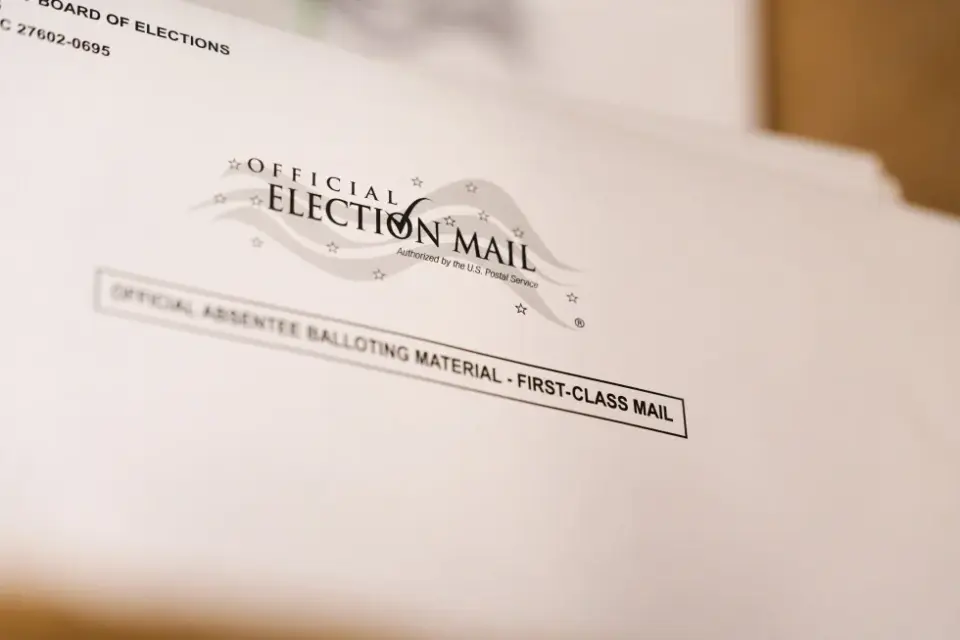
The Trump administration has appealed to the Supreme Court to enforce new mail-in voting restrictions, but the effort is stalled by lower court injunctions. As North Carolina and other states begin mailing ballots for the November midterms, officials argue the federal rules are logistically impossible to implement this late in the cycle. While the White House claims the measures are necessary for security, critics and election officials describe the move as a chaotic overreach that risks disenfranchising voters. The Supreme Court previously allowed the process to move forward temporarily, but the current appeal seeks to lift a specific block on the Postal Service’s enforcement of the new rules.
Key points
- The Trump administration filed an appeal on Sunday asking the Supreme Court to lift a Massachusetts judge’s order blocking the USPS from enforcing new mail-in voting rules.
- North Carolina became the first state to begin mailing ballots for the November midterms on Friday, with nine other states expected to follow within two weeks.
- The new rules, stemming from a March executive order, would require the USPS to verify voter eligibility lists and adhere to specific envelope designs, a process officials say is impossible to implement before Election Day.
- The Supreme Court previously issued an unsigned emergency order allowing the administration to proceed with the plan, but the broader merits remain unsettled in lower courts.
- A federal whistleblower report cited by Sen. Richard Blumenthal describes the USPS implementation process as 'secretive, rushed, chaotic, and fundamentally flawed.'
Background
This dispute follows a series of legal battles since March 2026, when President Trump signed an executive order to tighten mail-in voting. In late August, the Supreme Court temporarily allowed the plan to move forward but left the case unsettled, sending it back to lower courts. Earlier in July, an appeals court had blocked the crackdown in 23 states, ruling that the Department of Homeland Security and USPS lacked clear statutory authority to impose binding voter lists. The current appeal is the second time the administration has asked the Supreme Court to intervene in this specific legal timeline.
How outlets are covering it
AP News reports that the administration is seeking an immediate administrative stay to remove 'uncertainty' and ensure compliance, noting that Trump has long sought to limit mail voting despite using it himself. The Washington Post emphasizes the logistical timeline, highlighting that two swing states are already sending ballots, making the federal restrictions impractical. Politico focuses on the operational chaos, quoting election officials who call the timing 'not feasible' and noting that the USPS would not perform additional vetting of state-provided lists. While the White House frames the rules as 'commonsense measures' for security, critics from both parties, including former Republican officials, argue the move creates administrative burdens and opportunities for error rather than enhancing integrity.
Why it matters
The outcome of this legal battle could determine whether millions of voters face new federal hurdles in the 2026 midterm elections. If the Supreme Court allows the rules to proceed, it could disrupt established state voting systems and disenfranchise voters in swing states. Conversely, if the lower court injunctions hold, the status quo remains, but the uncertainty itself may dissuade participation or fuel bad-faith claims about election results. The case also tests the limits of federal power over state-controlled election procedures.
What to watch
The Supreme Court must decide whether to lift the Massachusetts judge’s order blocking the USPS rule. In the coming weeks, nine more states are expected to begin mailing ballots, with the peak mailing day occurring 45 days before the election. Election officials are urging voters to check registration status and plan to vote, while the administration continues to press courts to allow the new rules to take effect before November.
- Trump administration makes another appeal to the Supreme Court to allow mail ballot restrictions AP News
- Trump Administration Again Asks Supreme Court to Allow Mail Voting Restrictions The New York Times
- Trump is running out of time as he tries to restrict mail voting The Washington Post
- USPS Mail-In Ballot Rule Still Can't Take Effect, Judge Rules After Whistleblower's Warning Forbes
- ‘Not feasible’: With ballots already in the mail, election officials say it is too late for Trump’s USPS order politico.com
Want the full story? Read the original reporting
Read on AP News