
AI Spending Backfires as Voters Reject Tech-Backed Candidates
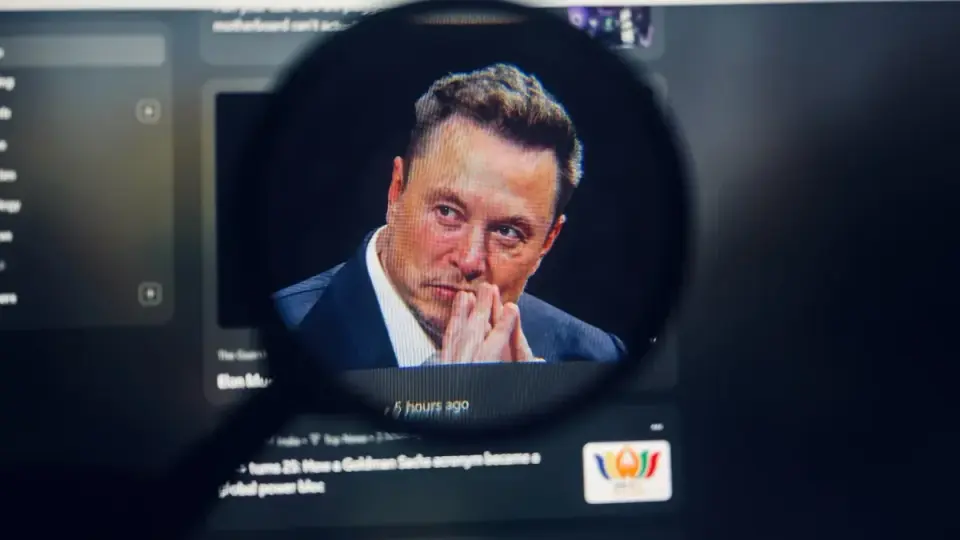
Despite massive financial injections from AI billionaires into US politics, voter sentiment remains sharply negative. A survey of over 3,000 likely voters in key battleground states shows that 75% are less likely to support candidates who accept donations from AI Super PACs. This backlash coincides with growing economic anxiety over an AI bubble and data center construction, which experts warn could trigger a recession. While AI tools are increasingly integrated into social media platforms for the upcoming midterms, they are also amplifying misinformation and foreign influence, further eroding public trust in the technology.
Key points
- Elon Musk has donated over $445 million to Republican campaigns, while the Super PAC 'Leading The Future,' backed by OpenAI and Palantir founders, has amassed $140 million for pro-AI candidates.
- A Guardrails Action survey found that 75% of likely voters in Iowa, Michigan, and Ohio would oppose candidates accepting AI Super PAC money, with 25% saying they would switch parties to support anti-AI stances.
- Economists warn that AI stock valuations are detached from fundamentals, with the Nasdaq 100 being 70% dependent on AI-related companies, creating significant recession risks if the bubble bursts.
- The New York Times reports that AI is now embedded in major social media platforms, contributing to biased polling data, low-quality content, and amplified foreign influence operations ahead of the November 3 elections.
- Inflation has risen to 3.7% under current administration policies, driven by energy and housing costs, while 77% of Americans rate the economy as fair or poor, heightening sensitivity to special interest spending.
Background
Recent political developments, including the DOJ’s charging of former FBI officials regarding the Hunter Biden laptop investigation and Elon Musk’s $10.7 billion pledge to US children, have intensified scrutiny on the intersection of wealth, politics, and public trust. These events underscore a broader trend where major financial figures are leveraging political influence, a dynamic now being tested by the AI industry’s unprecedented spending on elections.
How outlets are covering it
Futurism emphasizes the political backfire of AI spending, citing Guardrails Action data that AI money is more toxic to voters than Wall Street or cryptocurrency. In contrast, Yahoo Finance focuses on the macroeconomic risks, highlighting warnings from financiers like Ray Dalio and Ken Griffin about an impending AI bubble that could destabilize the economy. The New York Times shifts the focus to the informational ecosystem, detailing how AI integration in social media is compromising the integrity of the election through misinformation and biased content. While Futurism views the issue through the lens of voter disgust, Yahoo Finance frames it as a financial crisis, and The New York Times highlights the operational risks of AI in democratic processes.
Why it matters
The convergence of negative voter sentiment, economic instability, and informational integrity issues suggests that AI’s role in the 2026 midterms is a critical stress test for both the technology and the democratic process. If AI-backed candidates fail to gain traction despite massive funding, it may signal a broader rejection of tech-driven policy. Furthermore, the potential for an AI-driven economic downturn could have lasting consequences for the US economy, while the erosion of trust in AI-generated information could undermine the legitimacy of the election results themselves.
What to watch
The November 3 midterm elections will serve as the primary indicator of whether AI industry spending can overcome voter resistance. Investors and policymakers will closely monitor the Nasdaq 100 and AI stock valuations for signs of a bubble burst in the coming months. Additionally, the integration of AI in social media platforms will likely face increased regulatory scrutiny as election officials and researchers assess the extent of misinformation and foreign influence during the voting period.
- AI Billionaires Are Flooding Money Into Politics to Influence Elections, But It’s Backfiring Futurism
- AI ad mocks Talarico as Bible-defacing radical. Democrats bet it will backfire. The Washington Post
- As vote nears, Trump's AI gamble fuels economic uncertainty Yahoo Finance
- A.I. Is Embedded in Your Election Experience. So Are Its Dangers. The New York Times
- Few Americans Say They Are Asking AI Chatbots for 2026 Election Information Pew Research Center
Want the full story? Read the original reporting
Read on Futurism