
Alaska Judge Blocks Peltola Campaign’s Bid for Rejected Ballot Data Amid Tight Senate Race
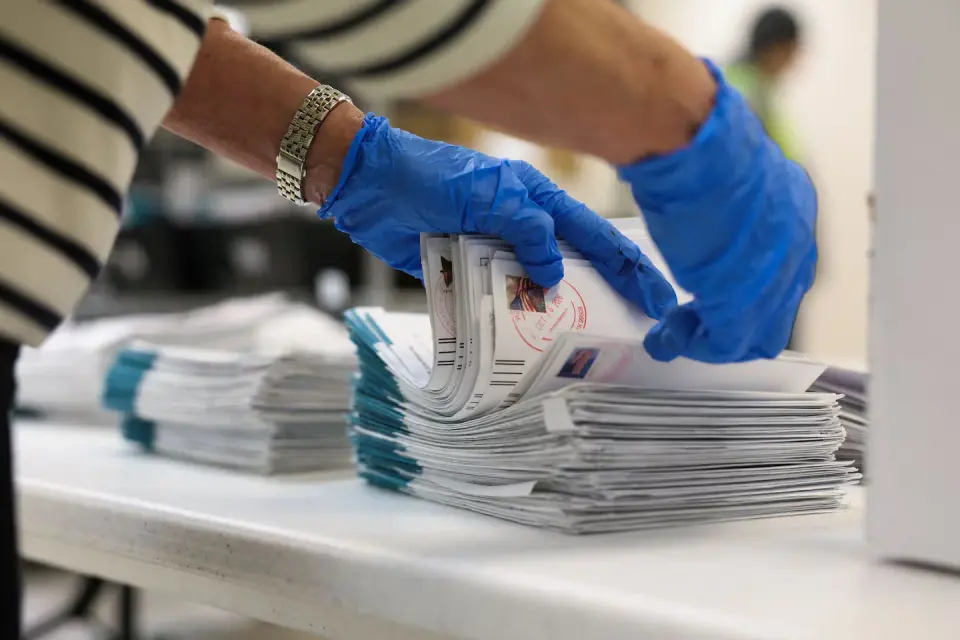
An Alaska judge denied the Mary Peltola campaign’s request for a list of rejected absentee ballots, ruling the demand unreasonable during peak election processing. The decision impacts the unresolved 2026 Senate race between Peltola and incumbent Dan Sullivan, which remains too close to call. While the Peltola campaign sought transparency to ensure valid votes were counted, state officials and the Sullivan campaign argued the request violated voter privacy and disrupted election administration. The ruling highlights ongoing tensions over ballot integrity and data access in a race that could determine Senate control.
Key points
- Superior Court Judge Thomas Matthews ruled that the Division of Elections cannot reasonably produce the requested voter data at this time due to active counting deadlines and privacy concerns.
- The Peltola campaign sued on November 7, seeking names and reasons for rejected absentee ballots to ensure lawful votes were counted, while state attorneys argued the data constitutes confidential 'ephemeral working documents.'
- The race remains the only uncalled U.S. Senate contest, with Peltola and Sullivan separated by fewer than two percentage points after 86% of votes were counted.
- Final results are targeted for November 18, the deadline for receiving overseas ballots and conducting ranked-choice tabulations if no candidate secures 50% of first-choice votes.
- The Sullivan campaign supported the state’s position, accusing Peltola of attempting to 'rig the system,' while the Peltola campaign maintained the request was for public records already accessible to observers.
Background
This dispute follows earlier litigation in the 2026 Alaska Senate race, including a Justice Department lawsuit dismissed by U.S. District Judge Sharon Gleason in late October. That case sought to block certification if Republican incumbent Dan Sullivan lost, citing confusion over a second candidate named Daniel J. Sullivan. The current ballot data dispute adds to a series of legal challenges surrounding the integrity of the vote in a race that has drawn national attention due to its narrow margin and complex ranked-choice voting system.
How outlets are covering it
The Washington Post and AP News emphasize the logistical and privacy constraints cited by Judge Matthews, noting that the Division of Elections is actively counting ballots and that the voter database cannot easily strip confidential addresses. NBC News highlights the legal argument that the requested reports are 'ephemeral working documents' not meant for preservation, while The Hill focuses on the political friction, noting the Sullivan campaign’s accusation that Peltola is attempting to manipulate the outcome. All sources agree that the race remains uncalled and that final results are pending until November 18, but they differ in emphasis: The Post and AP focus on the judicial reasoning, while The Hill and NBC highlight the partisan conflict and the broader implications for election integrity.
Why it matters
The ruling underscores the intense scrutiny and legal battles surrounding close U.S. Senate races, particularly those involving ranked-choice voting. It highlights the tension between campaign transparency demands and voter privacy protections during the critical post-election counting period. The outcome could influence how future campaigns seek access to election data and may affect the final certification of a race that could determine control of the U.S. Senate.
What to watch
The Division of Elections will continue counting ballots through November 18, the deadline for receiving overseas mail-in ballots. If no candidate wins more than 50% of first-choice votes, ranked-choice tabulations will proceed. The Peltola campaign has not indicated whether it will appeal the ruling, while the Sullivan campaign has requested that any future data releases be made equally available to all candidates. Final results are expected to be certified by November 18, potentially resolving the race or triggering further legal challenges.
- Alaska judge rules against Peltola request for Senate race ballot data The Washington Post
- Alaska judge rules against Democratic US Senate candidate's request for absentee ballot data Reuters
- Alaska judge rules a request by Peltola campaign for ballot data in Senate race is ‘not reasonable’ NBC News
- Alaska judge denies Peltola campaign request for list of rejected absentee ballots The Hill
- Judge weighs lawsuit brought by Peltola campaign over absentee ballots in Alaska's US Senate race AP News
Want the full story? Read the original reporting
Read on The Washington Post