
Alaska voters reject repeal of ranked choice voting despite Senate race controversy
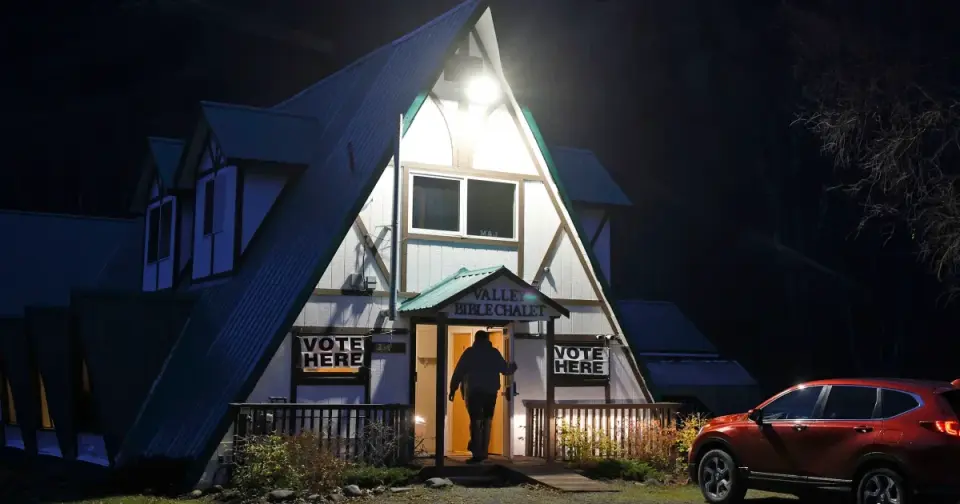
Alaska voters have rejected a ballot measure to repeal ranked choice voting, keeping the system in place for statewide elections. This decision follows a contentious 2026 Senate race where a duplicate candidate name sparked scrutiny of the voting method. The measure, which would have restored traditional party primaries, failed for the second time in two election cycles, with the previous attempt losing by fewer than 800 votes in 2024.
Key points
- NBC News projects that Alaska voters rejected Ballot Measure 2, which sought to repeal ranked choice voting and the top-four primary system.
- The voting method faced intense scrutiny during the 2026 U.S. Senate race, particularly after a controversy involving a candidate named Dan J. Sullivan, distinct from incumbent Republican Dan S. Sullivan.
- Ranked choice voting was first adopted in Alaska in 2022 after voters approved it in 2020; a similar repeal effort failed by a narrow margin in 2024.
- The system allows all candidates to run on a single primary ballot, with the top four advancing to a general election where voters rank candidates to determine a majority winner.
- Supporters argue the method empowers voters and moderates candidate behavior, while critics contend it causes confusion and disadvantages certain parties in tight races.
Background
Alaska and Maine are the only states using ranked choice voting for statewide elections. The 2020 reform was funded by over $4.8 million from Arnold-backed groups, according to earlier reporting. The 2026 Senate race between Democrat Mary Peltola and incumbent Republican Dan S. Sullivan remained unresolved for weeks due to the ranked-choice tabulation process and legal disputes over the duplicate candidate name. The current vote confirms the system's continued use despite these controversies.
Why it matters
The rejection of the repeal measure ensures that Alaska will continue using ranked choice voting for future statewide elections, including gubernatorial races. This outcome preserves a voting system that influences candidate strategy and voter behavior, potentially impacting the balance of power in the U.S. Senate and other state-level positions. The decision also highlights ongoing national debates about electoral reform and the role of non-traditional voting methods in competitive races.
What to watch
The U.S. Senate race in Alaska will proceed with ranked-choice tabulation beginning November 18, as officials process remaining mail and absentee ballots. The outcome of this race could determine whether Democrats secure a 56-seat majority in the Senate. Additionally, the federal and state investigations into the duplicate candidate name controversy will continue, though a federal judge has already dismissed an effort by the Trump administration to segregate ballots cast for the duplicate candidate.
Want the full story? Read the original reporting
Read on NBC News