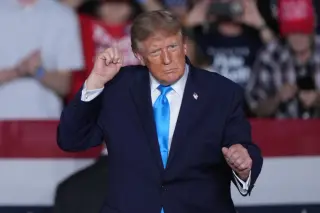
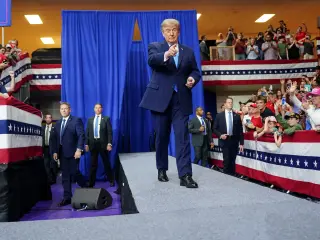
The Republican Party is leveraging a $1 billion war chest and President Trump’s high-profile involvement to secure victory in the 2026 midterms, despite internal divisions over his campaign impact.
Democrat Keisha Lance Bottoms and Republican Rick Jackson held their only joint debate on October 7, clashing over data centers, surveillance, and election security. Bottoms called for a pause on data center construction and a moratorium on Flock cameras, while Jackson defended his record and opposed restrictions. Both candidates avoided major gaffes, but the debate highlighted deep divides on economic policy and federal intervention in elections.
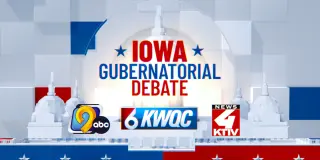
Republican Zach Lahn and Democrat Rob Sand clashed in their first gubernatorial debate on October 6 in Davenport, focusing on Lahn's residency history, cancer rates, and tax policies. Sand, the state auditor, criticized Lahn for voting in Kansas and called him a 'radical liberal,' while Lahn accused Sand of being a 'liberal billionaire' backed by his wife's family. The debate, hosted by KWQC, highlighted a competitive race to succeed retiring Governor Kim Reynolds in a state that has trended right since 2010.
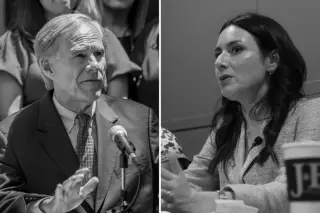
Texas Governor Greg Abbott has spent over $141 million since January, leaving him with $18.2 million, while Democratic challenger Gina Hinojosa holds $4 million. Despite a 10-to-1 spending disadvantage, Hinojosa is leading in several recent polls, marking the most competitive gubernatorial race in Texas in decades.
Milorad Dodik, a Serb nationalist leader banned from office for defying international rulings, declared victory in Bosnia’s October 4 general elections. His party, the Alliance of Independent Social Democrats (SNSD), is projected to retain control of the Republika Srpska entity and its seat on the tripartite presidency. Dodik credited US President Donald Trump and Russian President Vladimir Putin for his political survival, despite being barred from running. Turnout dropped to 42%, and other ethnic leaders also claimed wins, signaling continued political fragmentation.
President Donald Trump announced he will stop using federal funds for television advertisements promoting his administration, shifting the cost to his super PAC, MAGA Inc. This reversal follows intense bipartisan criticism and calls for independent investigations into the legality of the spots, which aired ahead of the November midterm elections.
Brazil’s attorney general has initiated a criminal investigation into alleged US interference in the upcoming presidential election, following reports that the Trump administration sought to redirect $175 million from the State Department’s human rights fund to support far-right causes, including a $1 million grant targeting Brazil’s Supreme Court. With the election scheduled for October 4, Messias condemned the actions as an intolerable violation of sovereignty, while US Democrats have demanded assurances that Washington will respect the outcome.
The closure of a truck plant in Ohio has left 1,400 workers jobless just days before a major presidential rally. The shutdown highlights the disconnect between federal economic policies and local working-class realities, as former employees report that tax cuts and tariffs failed to provide meaningful relief. While the plant is being acquired by a Canadian firm that promises future expansion, the immediate loss of income has intensified concerns about inflation and the cost of living. Local politicians from both parties are framing the upcoming election around these economic struggles, with Democrats emphasizing the need for middle-class stability and Republicans pointing to recent infrastructure investments as evidence of progress.
Amendment 87 proposes replacing Colorado's flat 4.4% income tax with a graduated system, raising rates for high earners to fund public services while cutting taxes for most residents. The measure aims to address significant budget deficits, but faces opposition from business groups and the governor over economic impacts.
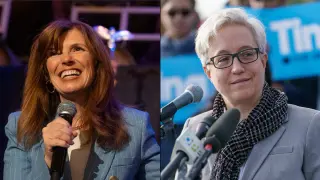
A new OPB poll indicates the Oregon governor’s race between incumbent Tina Kotek and challenger Christine Drazan is effectively tied, with Drazan leading by one percentage point among likely voters. Economic issues, including cost of living and housing, are the primary drivers of voter sentiment, while both candidates struggle with low favorability ratings. Kotek retains a significant advantage in the Portland metro area, but Drazan leads in rural regions and has solidified her Republican base. With less than two weeks until ballots are mailed, the race remains too close to call, with undecided voters potentially deciding the outcome.
The White House intervened to stop the Department of Homeland Security from publishing a notice that would have ended Temporary Protected Status for approximately 200,000 Salvadoran residents. This move occurred three weeks after the program was originally scheduled to expire, effectively delaying the decision. The intervention highlights internal administration tensions between immigration hardliners and business interests, occurring five weeks before a critical election. While the administration has not yet announced a final decision on the program's future, the abrupt halt surprised officials within DHS and underscores the complex political calculations surrounding Hispanic voters and base loyalty.
Texas Governor Greg Abbott declared a statewide disaster on September 28 to address record-high diesel prices, allowing commercial use of untaxed 'dyed' diesel and increasing truck weight limits. While the move aims to lower costs for agriculture and freight, it does not waive the underlying fuel tax, a step Democrats are demanding ahead of the November midterms.
Nithya Raman has widened her lead over incumbent Mayor Karen Bass in the Los Angeles mayoral runoff, with prediction markets and recent polls showing a double-digit advantage. However, a significant portion of voters remain undecided, and the race is defined by deep generational and geographic divides.
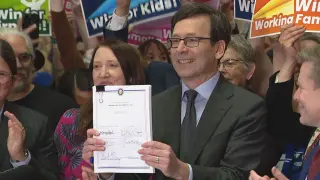
Washington State voters will decide in November whether to repeal the 9.9% income tax on individuals earning over $1 million, a measure expected to generate $3 billion annually. Campaigns opposing the tax argue it violates state prohibitions on income taxes and may drive away wealthy residents, while supporters contend it is essential for funding public services. The debate centers on fiscal stability versus constitutional tax restrictions.
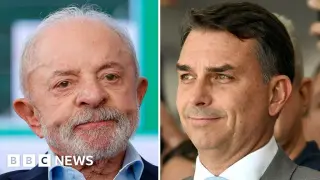
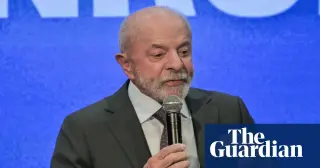
Brazilian President Luiz Inácio Lula da Silva signed a provisional executive order banning fixed-odds sports betting and online casinos, effective immediately. The move prohibits new deposits and requires platforms to shut down by October 6, just days before the first round of presidential elections. Lula framed the ban as a necessary public health measure to combat addiction and family debt, while opponents and industry groups argue it is a politically motivated tactic that will drive users to illegal markets and devastate football sponsorship revenue. The order requires congressional approval within 120 days to remain in force, and the government has drafted a bill to criminalize betting operations with penalties of up to six years in prison.