
Amy Acton Becomes Ohio's First Female Governor, Ending Two Decades of GOP Control
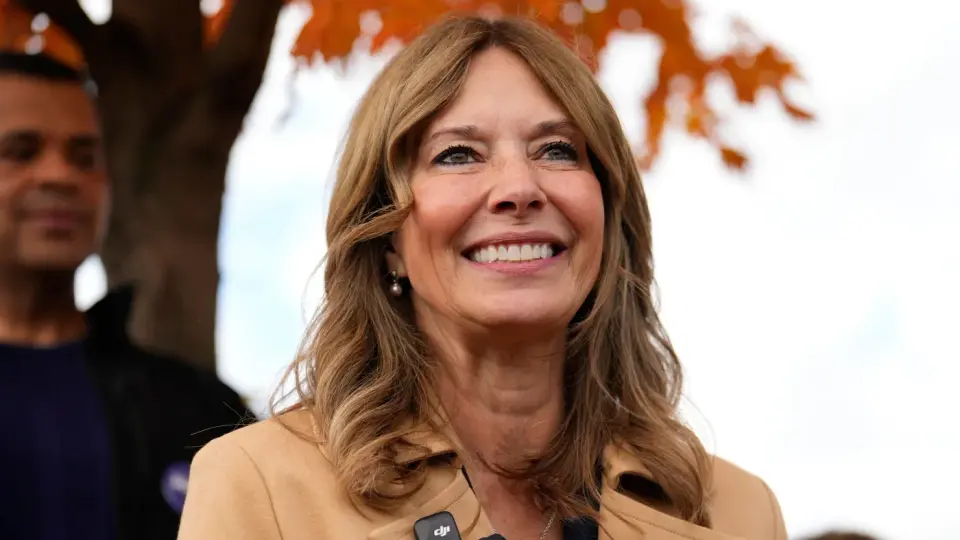
Democrat Amy Acton has been projected to win the Ohio gubernatorial race, becoming the first woman and first Democrat to hold the office in 20 years. She defeated Republican Vivek Ramaswamy in a contentious contest marked by a controversial attack ad and national attention.
Key points
- The Associated Press called the race for Democrat Amy Acton, making her the first woman elected governor of Ohio.
- Acton, 60, previously served as Ohio Department of Health director under outgoing Republican Governor Mike DeWine.
- Her victory ends a 20-year streak of Republican control of the Ohio governor's office.
- Acton will take office in January 2026, facing a Republican-majority legislature that may limit her authority.
- The campaign featured a controversial ad by Ramaswamy featuring Acton's estranged mother, which drew bipartisan criticism.
Background
Ohio has not elected a Democrat to the governor's office since 2006. In the 2026 midterms, Acton's moderate messaging focused on cost-of-living issues, including a statewide child tax credit and medical debt forgiveness. Her campaign also received high-profile support, including an endorsement from singer Olivia Rodrigo during a Columbus concert stop in early November. The race followed a period of bruising Democratic losses in statewide elections in Ohio over the last few cycles.
Why it matters
Acton's victory marks a significant shift in Ohio politics, breaking a long Republican dominance in the governor's office. Her background in public health rather than traditional politics may influence her approach to governance. However, her ability to implement policies will be constrained by a Republican-controlled legislature, creating a potential for gridlock. The race also highlighted the impact of controversial attack ads on national political discourse.
What to watch
Acton will be sworn in as governor in January 2026. She will need to navigate a Republican-majority legislature to advance her agenda. The state will also watch how her public health background influences policy decisions, particularly regarding healthcare and cost-of-living measures.
Want the full story? Read the original reporting
Read on NPR