
Army Secretary Driscoll Resigns After White House Meeting With Trump
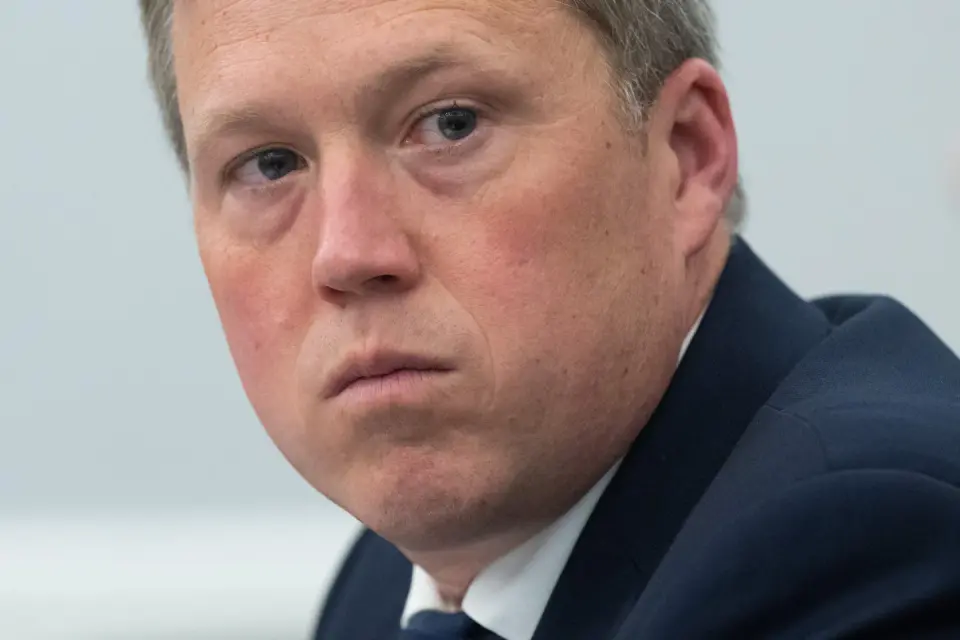
Army Secretary Dan Driscoll resigned on August 31, 2026, following a direct appeal to President Trump regarding the state of the military. His departure marks the latest in a series of high-level exits under Defense Secretary Pete Hegseth, leaving the Army without key civilian and uniformed leadership. The resignation highlights deep internal conflicts over personnel decisions and military readiness.
Key points
- Driscoll told Trump about the removal of numerous generals and the impact on Army transformation efforts.
- The Army currently lacks a confirmed chief of staff, operations commander, and European commander.
- Hegseth has blocked or fired approximately 80 senior officers, roughly 10% of top ranks.
- White House spokesperson Anna Kelly praised Driscoll’s work on readiness and Ukraine negotiations.
- Senator Jack Reed accused Hegseth of hollowing out the military’s senior ranks.
Background
This resignation follows a period of intense friction between civilian and military leadership. In late August, senior generals warned Hegseth that expanding operations against Iran was unsustainable. Driscoll had previously championed the FUZE program for faster weapons acquisition, a initiative scaled back after the firing of Army Chief of Staff Randy George in April 2026. The current leadership vacuum occurs as the US maintains a significant presence in the Middle East.
How outlets are covering it
The Washington Post frames Driscoll’s exit as part of a broader purge of senior leaders under Hegseth. The Atlantic emphasizes Driscoll’s direct communication with Trump, noting the president’s surprise at the scale of officer removals. The Guardian highlights the political fallout, citing Senator Jack Reed’s criticism of Hegseth’s culture of punishing dissent. AP News confirms the resignation but notes the lack of official reasons provided by the administration. While the White House praised Driscoll’s effectiveness, Democrats and some Republicans expressed grave concern over the loss of institutional leadership.
Why it matters
The departure of the Army Secretary leaves the largest US military branch without a top civilian leader, a confirmed chief of staff, or a confirmed operations commander. This leadership vacuum raises concerns about the Army’s ability to execute transformation initiatives and maintain readiness amid ongoing conflicts. It also signals a deepening rift between the White House and the Pentagon’s professional military establishment, potentially affecting long-term defense policy and operational capabilities.
What to watch
The administration is expected to announce a replacement for Driscoll, with Sean Parnell, Hegseth’s chief spokesperson, reportedly under consideration. The Senate Armed Services Committee may hold hearings on the impact of recent personnel changes. The White House and Pentagon have not yet detailed the specifics of Driscoll’s final meeting with Trump or the immediate succession plan for the Army’s uniformed leadership.
- After Army secretary’s resignation, tallying the departures of military leaders The Washington Post
- Dan Driscoll’s Parting Shot The Atlantic
- Exclusive | Army Secretary Resigns After Months of Friction With Hegseth WSJ
- Democrats warn of ‘hollowed out’ leadership after army chief resigns amid clashes with Hegseth The Guardian
- Army Secretary Dan Driscoll is stepping down after 18 months on the job, White House says AP News
Want the full story? Read the original reporting
Read on The Washington Post